


- Home
- A-Z Catalogue
- Products
- Valves
- Cetop
- Manual Directional Valves
- Proportional Valves
- Poppet Valves
- High-Speed Linear Servo Valves
- All High-Speed Linear Servo Valves
- Cetop 10 (NG32) Two Stage Type High Speed Linear Servo Valves – LSVHG-10
- Cetop 10 (NG32) Two Stage Type High Speed Linear Servo Valves – LSVHG-10 (With Fail-Safe)
- Cetop 8 (NG25) Two Stage Type High Speed Linear Servo Valves – LSVHG-06
- Cetop 8 (NG25) Two Stage Type High Speed Linear Servo Valves – LSVHG-06 (With Fail-Safe)
- Cetop 7 (NG16) Two Stage Type High Speed Linear Servo Valves – LSVHG-04
- Cetop 7 (NG16) Two Stage Type High Speed Linear Servo Valves – LSVHG-04 (With Fail-Safe)
- Cetop 5 (NG10) Direct Type High Speed Linear Servo Valves – LSVG-03
- Cetop 5 (NG10) OBE Type Direct Operated Linear Servo Valves – LSVG-03-EH
- Cetop 3 (NG6) OBE Type Direct Operated Linear Servo Valves – LSVG-01-EH
- Pumps
- Pressure control
- Flow Control Valves
- Pressure Control Valves
- All Pressure Control Valves
- Brake Valves
- Direct Relief Valve
- Low Noise Solenoid Controlled Relief Valves
- Low Noise Pilot Operated Relief Valves
- Pilot Operated Relief Valves
- Pressure reducing and relieving valves
- Pressure reducing and check valves
- Pressure control valves
- Remote Control Relief Valves
- Solenoid Controlled Relief Valves – BSG
- Solenoid Controlled Relief Valves – BST
- Unloading relief valves
- Check valves
- Environmental
- Valves
- Hydraulic Systems
- Power pack
- About Us
- Contact
- Blog

How to Choose Hydraulic Components in 2026?
Choosing hydraulic components in 2026 requires more than comparing pressure ratings and purchase prices. Engineers must examine the complete working environment. A compact excavator may face dust, vibration, cold starts, and sudden load changes. A packaging line may demand quiet operation, precise movement, and continuous duty. The correct hydraulic components must survive those realities, not merely match a catalogue number.
Dr. Monika Ivantysyn, a respected researcher in hydraulic pumps and motors, expressed a valuable engineering principle: “Hydraulic systems must be designed as complete systems, not as isolated components.” That idea remains essential for 2026. A high-efficiency pump cannot compensate for undersized hoses, contaminated fluid, or an unsuitable valve. Component compatibility matters. So does service access. Technicians should be able to inspect filters, replace seals, and read pressure data without dismantling half the machine.
Small details matter.
This guide will examine pump type, valve response, actuator sizing, filtration, sensing, energy efficiency, and digital monitoring. It will also consider lifecycle cost, supplier support, documentation, and regional compliance requirements. Real operating data should guide every decision. Laboratory figures are useful, but field conditions often disagree. I have seen systems perform well during testing, then lose stability because fluid temperature rose inside a crowded enclosure. That possibility deserves attention. No selection method is perfect. Still, a disciplined comparison can reduce noise, leakage, downtime, and premature failure. The best choice is rarely the cheapest item. It is the hydraulic components combination that delivers safe, measurable, and maintainable performance over years.
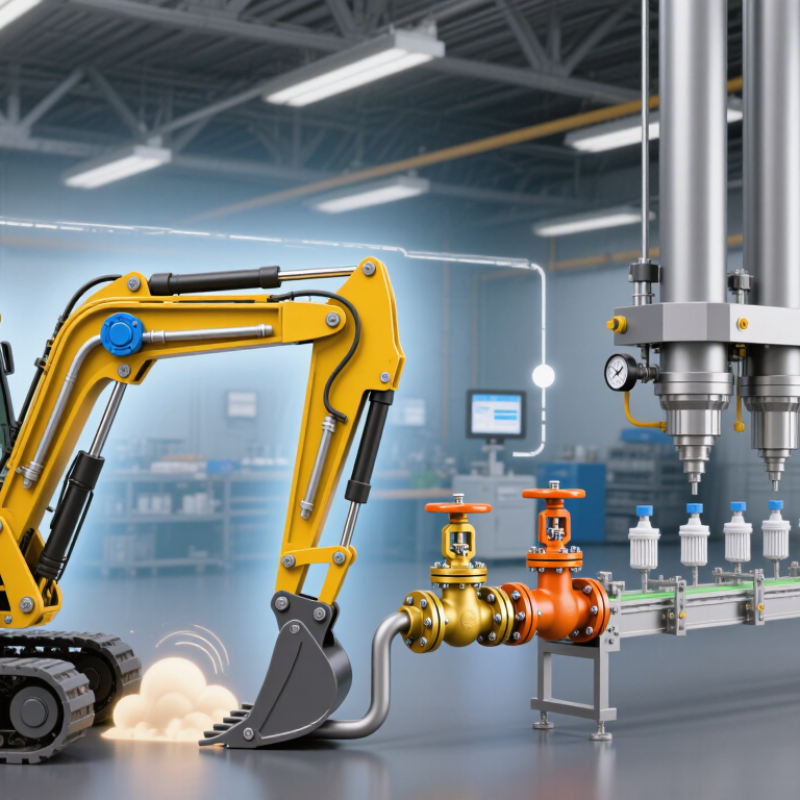
Table of Contents
[Hide]
Define the Hydraulic System’s Operating Requirements
How to Choose Hydraulic Components in 2026?
Define the Hydraulic System’s Operating Requirements
Choosing hydraulic components in 2026 should begin with operating requirements, not catalog availability. Record working pressure, peak pressure, flow rate, speed, load profile, and duty cycle. A cylinder lifting 800 kilograms needs different control than one moving a cutting table. Measure real behavior. Do not rely only on design values. In field checks, pressure spikes often appear during stopping, not lifting. That detail can change valve and hose selection.
Temperature deserves equal attention. Note the coldest start, normal operating temperature, and highest expected heat. Fluid viscosity changes across this range, affecting pump efficiency and response. Identify the fluid type and required cleanliness level before selecting pumps, valves, or filters. Dust, moisture, salt, and vibration also matter. A compact mobile machine may need sealed connections and stronger hose protection. Indoor equipment may need less environmental shielding, but assumptions can fail.
Define available space, service access, noise limits, and acceptable leakage risk. Then calculate pressure losses through hoses, fittings, filters, and valves. I prefer leaving a practical margin, but excessive oversizing can create sluggish motion and wasted energy. Early specifications are often imperfect. Test a prototype under the hardest expected cycle, inspect temperature and response, and revise the requirement sheet before procurement. Keep measured data with each change. Good decisions become traceable.
Related Posts
-

7 Essential Tips for Mastering Hydraulic Controls in Your Projects
-

Why Is Hydraulic Equipment Essential in Modern Industry?
-
Top Hydraulic Equipment Trends and Innovations for 2026?
-
China Top Hydraulic Equipment Suppliers for Global Buyers?
-
Why is Hydraulic Equipment Essential in Modern Industries?
-
China Best Hydraulic Components Suppliers for Global Buyers