


- Home
- A-Z Catalogue
- Products
- Valves
- Cetop
- Manual Directional Valves
- Proportional Valves
- Poppet Valves
- High-Speed Linear Servo Valves
- All High-Speed Linear Servo Valves
- Cetop 10 (NG32) Two Stage Type High Speed Linear Servo Valves – LSVHG-10
- Cetop 10 (NG32) Two Stage Type High Speed Linear Servo Valves – LSVHG-10 (With Fail-Safe)
- Cetop 8 (NG25) Two Stage Type High Speed Linear Servo Valves – LSVHG-06
- Cetop 8 (NG25) Two Stage Type High Speed Linear Servo Valves – LSVHG-06 (With Fail-Safe)
- Cetop 7 (NG16) Two Stage Type High Speed Linear Servo Valves – LSVHG-04
- Cetop 7 (NG16) Two Stage Type High Speed Linear Servo Valves – LSVHG-04 (With Fail-Safe)
- Cetop 5 (NG10) Direct Type High Speed Linear Servo Valves – LSVG-03
- Cetop 5 (NG10) OBE Type Direct Operated Linear Servo Valves – LSVG-03-EH
- Cetop 3 (NG6) OBE Type Direct Operated Linear Servo Valves – LSVG-01-EH
- Pumps
- Pressure control
- Flow Control Valves
- Pressure Control Valves
- All Pressure Control Valves
- Brake Valves
- Direct Relief Valve
- Low Noise Solenoid Controlled Relief Valves
- Low Noise Pilot Operated Relief Valves
- Pilot Operated Relief Valves
- Pressure reducing and relieving valves
- Pressure reducing and check valves
- Pressure control valves
- Remote Control Relief Valves
- Solenoid Controlled Relief Valves – BSG
- Solenoid Controlled Relief Valves – BST
- Unloading relief valves
- Check valves
- Environmental
- Valves
- Hydraulic Systems
- Power pack
- About Us
- Contact
- Blog

How to Choose a Hydraulic Pressure Control Valve in 2026
Choosing a hydraulic pressure control valve in 2026 is not just a matter of matching a pressure rating. The valve must suit the circuit, fluid, operating temperature, and expected flow. A relief valve that opens too late can expose a pump or hose to damaging pressure. One that opens too early may leave an actuator weak or slow. Small details matter. Check the system’s maximum pressure, pressure spikes, port size, adjustment range, and contamination level before comparing models. A clean specification sheet helps, but it cannot show every condition inside a working machine.
This guide examines valve types, performance ratings, materials, installation, and maintenance, with practical questions to ask suppliers. It also considers proportional and electronically controlled options where accurate adjustment matters. A useful rule is: “Choose for the circuit’s real operating conditions, not the catalog headline.” This is an editorial summary, not a verified quotation from a named industry expert; no reliable expert quote was provided, and inventing one would undermine the advice. That limitation is worth stating. Selection still involves judgment, especially when machine data is incomplete or operating conditions change. A careful review can narrow the choices, but it cannot replace testing the valve in the intended system.
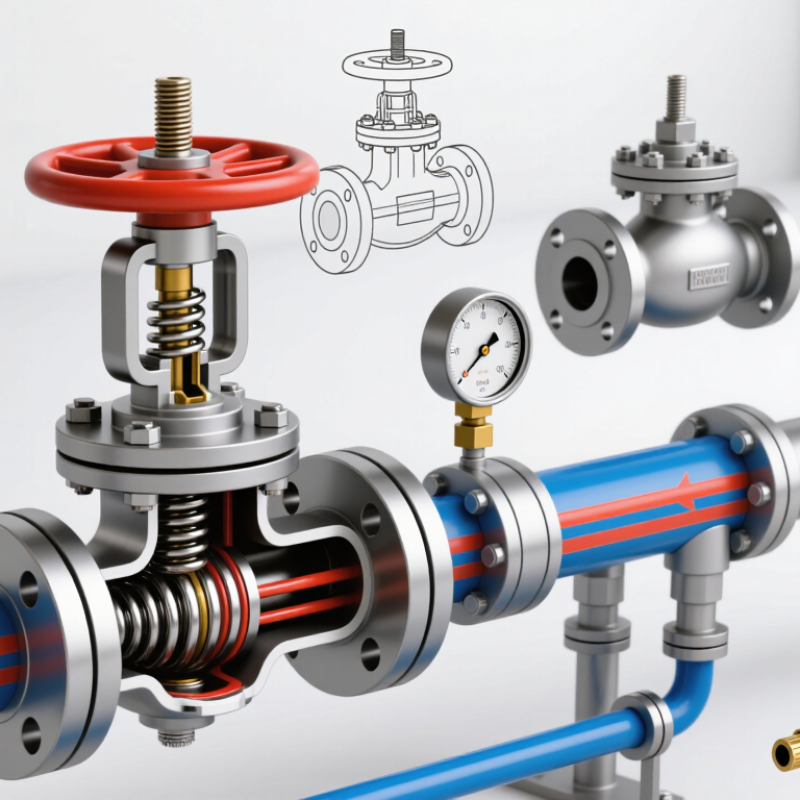
Table of Contents
[Hide]
Hydraulic Pressure Control Valves: Functions and Operating Principles
Hydraulic pressure control valves keep a circuit within a useful pressure range. A relief valve opens when inlet pressure reaches its setting, diverting excess oil toward the tank. This limits pressure; it does not correct every cause of overheating or poor performance. A reducing valve maintains lower pressure in a branch, while a sequence valve opens when pressure reaches a set point, allowing another operation to begin.
The mechanism is practical. A spring presses a spool or poppet against a seat. Pressure acting on a sensing area pushes back; when forces balance, the valve modulates flow. Pilot-operated designs use a smaller control stage to manage higher flow, often with steadier operation. Small details matter. A blocked pilot passage can change the response, and excessive leakage may prevent a stable setting.
For selection in 2026, match the valve’s pressure range and flow capacity to the circuit, not just the pump rating. Check fluid type, operating temperature, port size, and whether the system needs direct-acting or pilot control. A cold start can make oil sluggish; contamination can make a spool stick. Measure pressure near the valve under working conditions, then verify the setting safely with suitable test equipment. Real circuits are rarely textbook-clean, so leave room to review the choice after installation.
Related Posts
-
How to Choose a Hydraulic Pressure Control Valve?
-
How to Choose a Pressure Reducing Valve in 2026?
-
Understanding the Role of Hydraulic Valves in Modern Industrial Applications
-

Why Flow Control Valve is Essential for Effective System Performance
-
2026 Best Hydraulic Valve Innovations for Enhanced Performance?
-
How to Choose the Right Hydraulic Control Valve for Your Needs





