


- Home
- A-Z Catalogue
- Products
- Valves
- Cetop
- Manual Directional Valves
- Proportional Valves
- Poppet Valves
- High-Speed Linear Servo Valves
- All High-Speed Linear Servo Valves
- Cetop 10 (NG32) Two Stage Type High Speed Linear Servo Valves – LSVHG-10
- Cetop 10 (NG32) Two Stage Type High Speed Linear Servo Valves – LSVHG-10 (With Fail-Safe)
- Cetop 8 (NG25) Two Stage Type High Speed Linear Servo Valves – LSVHG-06
- Cetop 8 (NG25) Two Stage Type High Speed Linear Servo Valves – LSVHG-06 (With Fail-Safe)
- Cetop 7 (NG16) Two Stage Type High Speed Linear Servo Valves – LSVHG-04
- Cetop 7 (NG16) Two Stage Type High Speed Linear Servo Valves – LSVHG-04 (With Fail-Safe)
- Cetop 5 (NG10) Direct Type High Speed Linear Servo Valves – LSVG-03
- Cetop 5 (NG10) OBE Type Direct Operated Linear Servo Valves – LSVG-03-EH
- Cetop 3 (NG6) OBE Type Direct Operated Linear Servo Valves – LSVG-01-EH
- Pumps
- Pressure control
- Flow Control Valves
- Pressure Control Valves
- All Pressure Control Valves
- Brake Valves
- Direct Relief Valve
- Low Noise Solenoid Controlled Relief Valves
- Low Noise Pilot Operated Relief Valves
- Pilot Operated Relief Valves
- Pressure reducing and relieving valves
- Pressure reducing and check valves
- Pressure control valves
- Remote Control Relief Valves
- Solenoid Controlled Relief Valves – BSG
- Solenoid Controlled Relief Valves – BST
- Unloading relief valves
- Check valves
- Environmental
- Valves
- Hydraulic Systems
- Power pack
- About Us
- Contact
- Blog

How to Choose a Pressure Reducing Valve in 2026?
Choosing a pressure reducing valve in 2026 requires more than matching pipe size and purchase price. The right selection protects equipment, stabilizes downstream pressure, and reduces maintenance problems in real operating conditions. A valve may look suitable on a specification sheet, yet perform poorly when inlet pressure fluctuates, water contains sediment, or demand changes rapidly.
This guide examines the practical factors engineers and facility managers should verify before ordering. These include inlet and outlet pressure, flow range, temperature, fluid compatibility, connection type, pressure accuracy, and available adjustment. Materials matter too. A brass body may suit clean water, while stainless steel can provide better resistance in demanding environments. Check the details.
Field experience also shows why installation conditions cannot be ignored. A pressure reducing valve installed without a strainer may collect debris around its seat. Poorly positioned gauges can hide pressure instability. Some systems also need a bypass, relief valve, or isolation valves for safe servicing. A neat spreadsheet is not enough.
In 2026, buyers may also consider valves with remote monitoring, digital pressure sensors, and predictive maintenance features. These options can improve visibility, but they add cost and technical requirements. More technology is not automatically better. Compatibility with existing controls, cybersecurity practices, and staff skills deserves careful review.
Reliable selection depends on manufacturer documentation, recognized testing procedures, and advice from qualified professionals. Still, every project has different risks. A recommendation that works in a residential water line may fail in a process plant. This article offers a practical framework, while acknowledging one uncomfortable truth: even a carefully selected valve needs commissioning, inspection, and periodic adjustment.
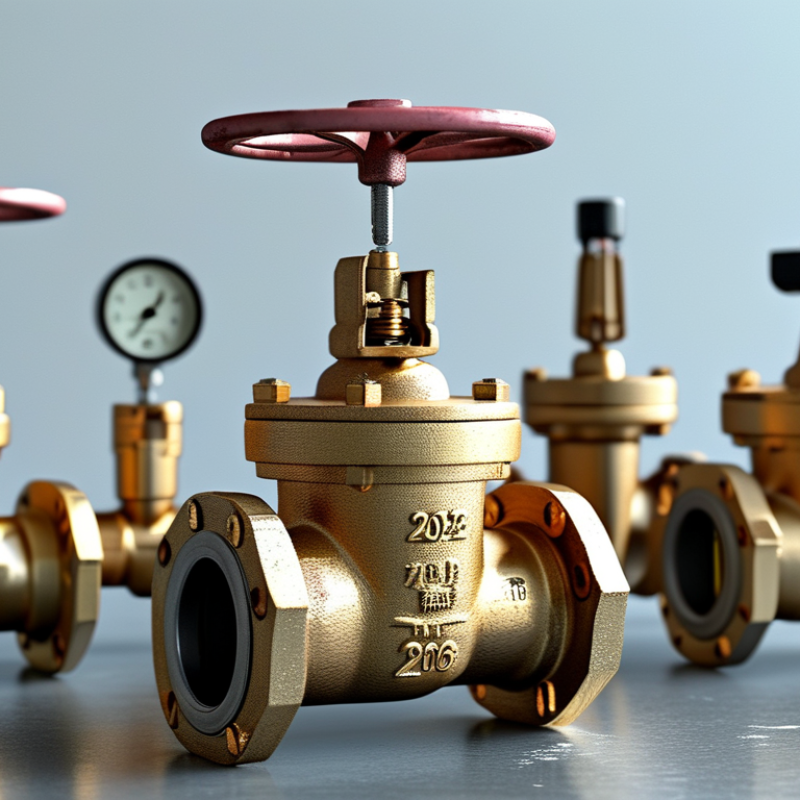
Table of Contents
[Hide]
Define PRV duty by flow rate, inlet pressure, and target outlet pressure
How to Choose a Pressure Reducing Valve in 2026?
Define the PRV duty before comparing valve materials or connection sizes.
Record minimum, normal, and maximum flow rates. A valve sized only for average flow may hunt during night demand. A valve sized for peak flow may struggle to control low demand.
The U.S. Environmental Protection Agency estimates that household leaks waste nearly 1 trillion gallons of water yearly in the United States. That figure makes stable pressure control more than a comfort issue.
Measure inlet pressure at real operating conditions, not from a static gauge reading.
Include pump shutoff pressure, pressure surges, elevation changes, and temporary supply variations. Then set the target outlet pressure for the most sensitive downstream equipment. A practical design check compares the available pressure drop with the valve’s rated range.
The U.S. Department of Energy reports that pumping systems can account for about 27% of industrial electricity use. Excessive pressure loss can therefore increase energy demand.
Specify flow in actual operating units, including fluid temperature and density.
For steam or gas, use absolute pressure and temperature. Ask for cavitation, noise, and recovery data when the pressure drop is large. A neat spreadsheet can still mislead.
I would also verify the smallest expected flow. Many poor installations regulate well at full load, then become unstable overnight. Field testing after installation remains essential, even when the selection software looks convincing.
Related Posts
-
7 Best Pressure Control Valves for Global Buyers?
-
What is a Yuken Directional Valve and How Does It Work?
-
The Essential Guide to Understanding Hydraulic Power Packs in Industrial Applications
-
How to Choose the Right Pressure Control Valve for Your System?
-
How to Choose the Right Hydraulic Unit for Your Needs?
-
What is a Hydraulic Power Pack and How Does it Work?