


- Home
- A-Z Catalogue
- Products
- Valves
- Cetop
- Manual Directional Valves
- Proportional Valves
- Poppet Valves
- High-Speed Linear Servo Valves
- All High-Speed Linear Servo Valves
- Cetop 10 (NG32) Two Stage Type High Speed Linear Servo Valves – LSVHG-10
- Cetop 10 (NG32) Two Stage Type High Speed Linear Servo Valves – LSVHG-10 (With Fail-Safe)
- Cetop 8 (NG25) Two Stage Type High Speed Linear Servo Valves – LSVHG-06
- Cetop 8 (NG25) Two Stage Type High Speed Linear Servo Valves – LSVHG-06 (With Fail-Safe)
- Cetop 7 (NG16) Two Stage Type High Speed Linear Servo Valves – LSVHG-04
- Cetop 7 (NG16) Two Stage Type High Speed Linear Servo Valves – LSVHG-04 (With Fail-Safe)
- Cetop 5 (NG10) Direct Type High Speed Linear Servo Valves – LSVG-03
- Cetop 5 (NG10) OBE Type Direct Operated Linear Servo Valves – LSVG-03-EH
- Cetop 3 (NG6) OBE Type Direct Operated Linear Servo Valves – LSVG-01-EH
- Pumps
- Pressure control
- Flow Control Valves
- Pressure Control Valves
- All Pressure Control Valves
- Brake Valves
- Direct Relief Valve
- Low Noise Solenoid Controlled Relief Valves
- Low Noise Pilot Operated Relief Valves
- Pilot Operated Relief Valves
- Pressure reducing and relieving valves
- Pressure reducing and check valves
- Pressure control valves
- Remote Control Relief Valves
- Solenoid Controlled Relief Valves – BSG
- Solenoid Controlled Relief Valves – BST
- Unloading relief valves
- Check valves
- Environmental
- Valves
- Hydraulic Systems
- Power pack
- About Us
- Contact
- Blog

2026 How to Choose a Hydraulic Directional Control Valve for Your Project?
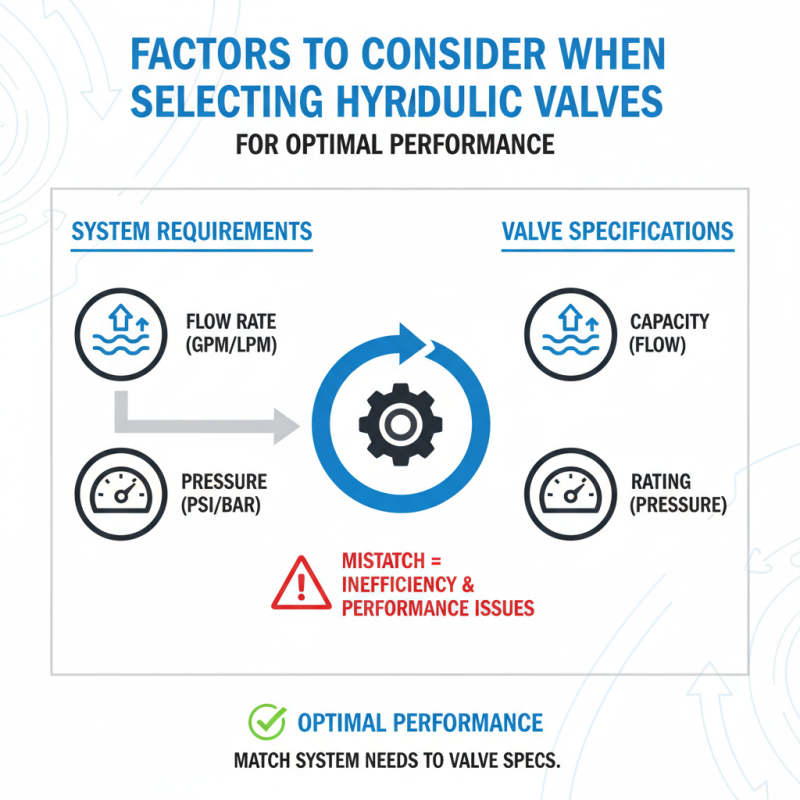
In the world of hydraulic systems, selecting the right hydraulic directional control valve is crucial for optimal performance. According to the Hydraulic Institute, improper valve selection can lead to a decrease in system efficiency by up to 30%. This underscores the importance of understanding your project requirements and the specific functionalities of hydraulic directional control valves.
Renowned expert Dr. Emily Roberts, a leading authority in hydraulic technology, states, “The right valve can transform system capabilities.” Her insights highlight the need for careful consideration in design and application. Each project has unique needs, making it essential to evaluate factors like flow rate, pressure, and operational environment.
Choosing a hydraulic directional control valve is not a one-size-fits-all approach. Many users overlook aspects such as installation space and maintenance requirements. These details can significantly impact the overall effectiveness of the hydraulic system. Thus, it’s vital to approach the selection process with a comprehensive understanding and a willingness to adapt.
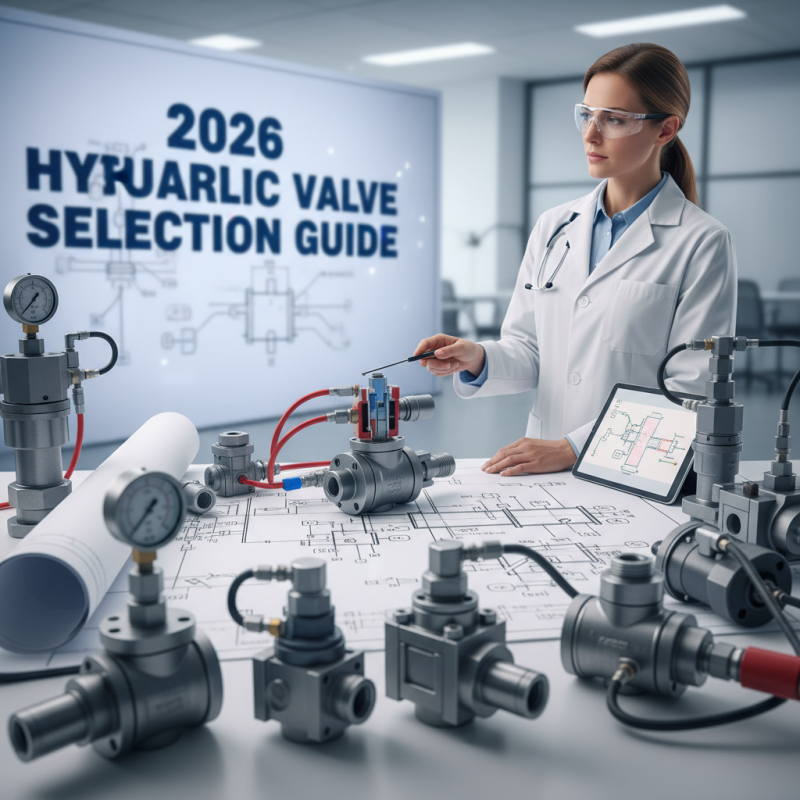
Table of Contents
[Hide]
Understanding Hydraulic Directional Control Valves: Basics and Types
Hydraulic directional control valves are essential in controlling fluid flow in hydraulic systems. These valves guide hydraulic fluid to various actuators and cylinders. Understanding the basics of these valves can lead to better project outcomes. The two main types are cartridge valves and modular valves. Cartridge valves are compact and efficient for smaller systems. Modular valves offer versatility and can be easily integrated into larger systems.
According to a report by the National Fluid Power Association, the hydraulic market is projected to grow steadily, reaching approximately $60 billion by 2025. This growth emphasizes the importance of selecting the right components. A good valve must handle system pressure and flow rate effectively. Often, engineers overlook compatibility with existing systems, leading to failures.
Another aspect to consider is maintenance. Hydraulic valves require regular checks. Signs of wear or leakage can indicate deeper issues. The Industrial Hydraulics Market Report notes that improper selection can lead to a 20% decrease in system efficiency. Therefore, keeping systems optimized requires continuous evaluation and adjustment.
Related Posts
-
10 Essential Tips for Choosing the Right Hydraulic Relief Valve
-

Understanding the Importance of Hydraulic Flow Control Valves in Modern Industrial Applications
-
How to Choose the Right Hydraulic Pressure Control Valve?
-

Exploring the Benefits of Advanced Hydraulic Directional Valves for Efficient Fluid Control
-
Understanding the Importance of Hydraulic Pressure Control Valves in Modern Industrial Applications
-
How to Choose the Right Hydraulic Control Valve for Your Needs