


- Home
- A-Z Catalogue
- Products
- Valves
- Cetop
- Manual Directional Valves
- Proportional Valves
- Poppet Valves
- High-Speed Linear Servo Valves
- All High-Speed Linear Servo Valves
- Cetop 10 (NG32) Two Stage Type High Speed Linear Servo Valves – LSVHG-10
- Cetop 10 (NG32) Two Stage Type High Speed Linear Servo Valves – LSVHG-10 (With Fail-Safe)
- Cetop 8 (NG25) Two Stage Type High Speed Linear Servo Valves – LSVHG-06
- Cetop 8 (NG25) Two Stage Type High Speed Linear Servo Valves – LSVHG-06 (With Fail-Safe)
- Cetop 7 (NG16) Two Stage Type High Speed Linear Servo Valves – LSVHG-04
- Cetop 7 (NG16) Two Stage Type High Speed Linear Servo Valves – LSVHG-04 (With Fail-Safe)
- Cetop 5 (NG10) Direct Type High Speed Linear Servo Valves – LSVG-03
- Cetop 5 (NG10) OBE Type Direct Operated Linear Servo Valves – LSVG-03-EH
- Cetop 3 (NG6) OBE Type Direct Operated Linear Servo Valves – LSVG-01-EH
- Pumps
- Pressure control
- Flow Control Valves
- Pressure Control Valves
- All Pressure Control Valves
- Brake Valves
- Direct Relief Valve
- Low Noise Solenoid Controlled Relief Valves
- Low Noise Pilot Operated Relief Valves
- Pilot Operated Relief Valves
- Pressure reducing and relieving valves
- Pressure reducing and check valves
- Pressure control valves
- Remote Control Relief Valves
- Solenoid Controlled Relief Valves – BSG
- Solenoid Controlled Relief Valves – BST
- Unloading relief valves
- Check valves
- Environmental
- Valves
- Hydraulic Systems
- Power pack
- About Us
- Contact
- Blog

How to Choose the Right Hydraulic Pressure Control Valve?
Choosing the right hydraulic pressure control valve can significantly impact system efficiency. According to a report by the International Society of Automation, 30% of hydraulic system failures are due to improperly selected valves. This highlights the importance of careful consideration in the selection process.
Industry expert Dr. Jane Smith emphasizes, "The right valve choice extends equipment life and optimizes performance." Her experience points to the intricate balance between pressure settings and flow rates. Choosing a hydraulic pressure control valve is not just a technical task; it requires insight into system dynamics. Users must assess factors like compatibility and application demand, as these influence functionality.
Many overlook the consequences of poor valve selection. This can lead to increased maintenance costs and system downtime. While specifications are crucial, real-world performance often reveals shortcomings in decision-making. A well-informed choice can prevent headaches down the line.
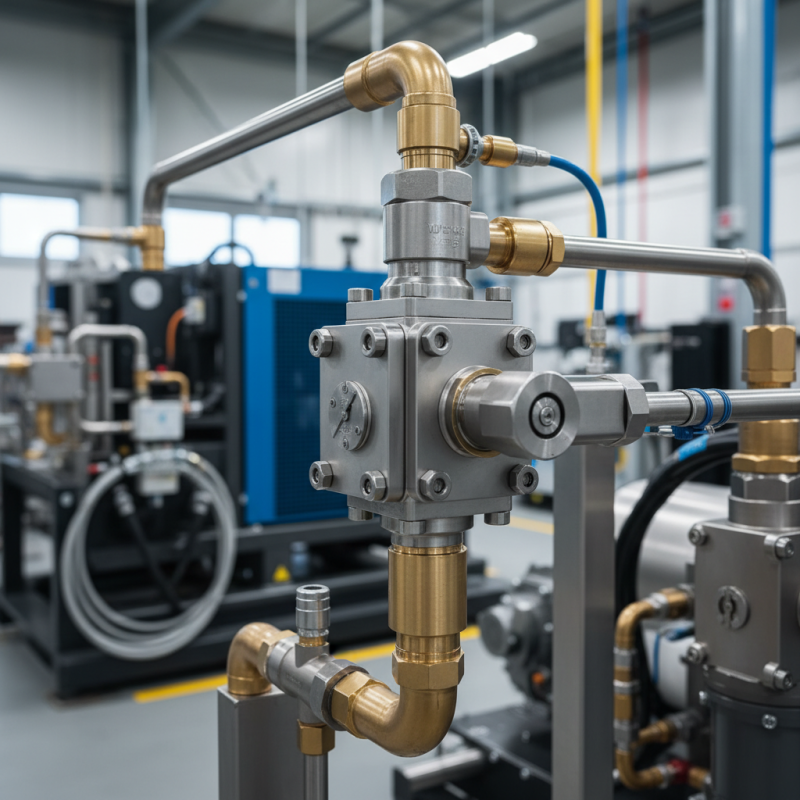
Table of Contents
[Hide]
Understanding Hydraulic Pressure Control Valves and Their Functionality
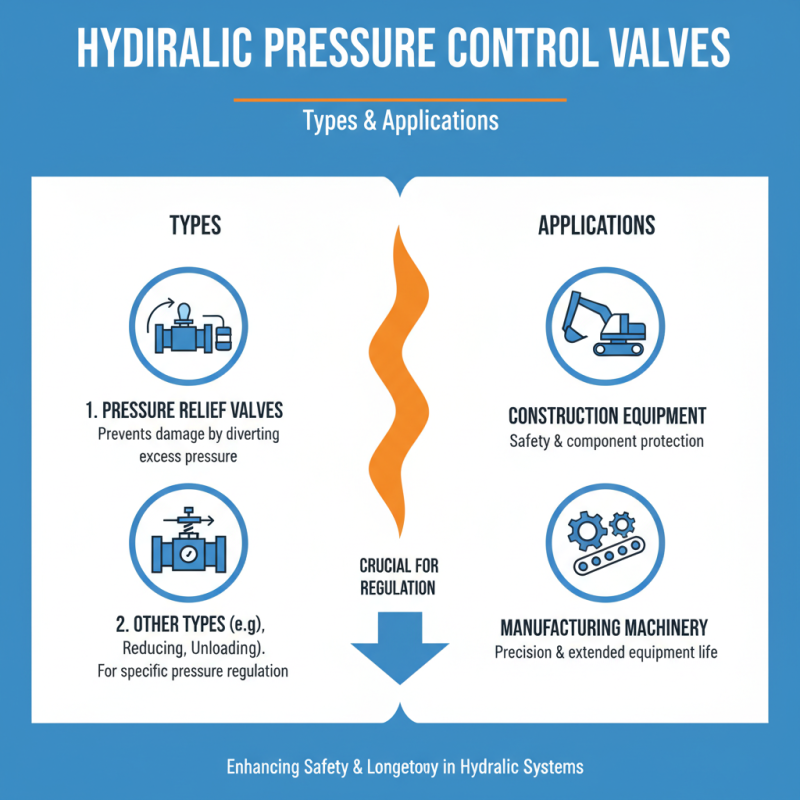
Hydraulic pressure control valves are essential components in hydraulic systems. They regulate the pressure to ensure proper operation and protection of equipment. Understanding their functionality helps prevent failures and inefficiencies. According to a recent industry report, improper valve selection can lead to a 20% increase in energy costs and significantly shorten equipment lifespan.
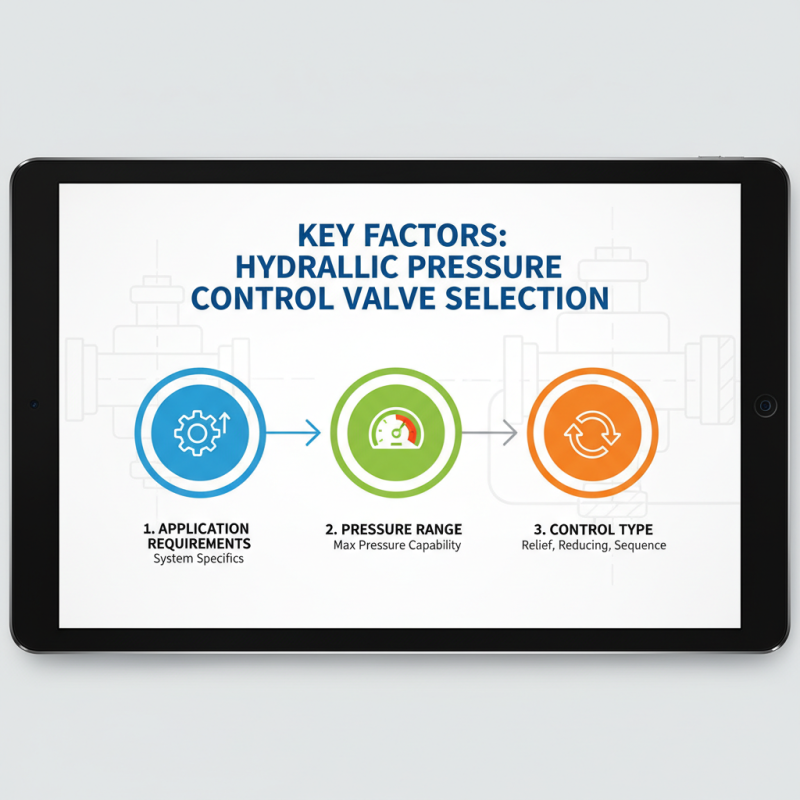
Choosing the right valve requires an understanding of flow rates and pressure ranges. Different applications may demand specific characteristics. For example, pilot-operated valves deliver high performance in fluctuating pressure conditions. In contrast, direct-acting valves are often suitable for lower pressure ranges. Overlooking these specifications can result in subpar performance and increased maintenance costs.
**Tip:** Always assess the operational environment. Temperature, fluid type, and viscosity play a significant role in valve performance.
Additionally, precision in manufacturing and responsiveness is crucial. A poorly designed valve may not respond quickly enough to pressure changes. This delay can cause system failures. Regular testing and monitoring of valve performance can help identify issues early.
**Tip:** Implement a routine inspection schedule. Early detection saves money and time in the long run.
How to Choose the Right Hydraulic Pressure Control Valve?
| Dimension | Description | Importance |
|---|---|---|
| Size | The physical dimensions of the valve, which must fit the system's design. | Crucial for ensuring proper installation and function. |
| Pressure Rating | The maximum pressure the valve can handle, typically measured in PSI or bar. | Essential to prevent failure under high-pressure conditions. |
| Flow Rate | The volume of fluid that can pass through the valve over time, measured in GPM or L/min. | Important for ensuring system efficiency and performance. |
| Type of Control | Mechanisms for adjusting flow, such as manual, pilot-operated, or electronically controlled. | Determines how effectively the pressure can be managed in the system. |
| Material | The construction material of the valve, which affects durability and corrosion resistance. | Vital for longevity in various operating environments. |
Related Posts
-
10 Essential Tips for Choosing the Right Hydraulic Relief Valve
-

Exploring the Benefits of Advanced Hydraulic Directional Valves for Efficient Fluid Control
-
Understanding the Importance of Hydraulic Pressure Control Valves in Modern Industrial Applications
-

Understanding the Importance of Hydraulic Flow Control Valves in Modern Industrial Applications
-
7 Essential Tips for Choosing the Right Hydraulic Valve for Your Application
-
Understanding the Role of Hydraulic Valves in Modern Industrial Applications