


- Home
- A-Z Catalogue
- Products
- Valves
- Cetop
- Manual Directional Valves
- Proportional Valves
- Poppet Valves
- High-Speed Linear Servo Valves
- All High-Speed Linear Servo Valves
- Cetop 10 (NG32) Two Stage Type High Speed Linear Servo Valves – LSVHG-10
- Cetop 10 (NG32) Two Stage Type High Speed Linear Servo Valves – LSVHG-10 (With Fail-Safe)
- Cetop 8 (NG25) Two Stage Type High Speed Linear Servo Valves – LSVHG-06
- Cetop 8 (NG25) Two Stage Type High Speed Linear Servo Valves – LSVHG-06 (With Fail-Safe)
- Cetop 7 (NG16) Two Stage Type High Speed Linear Servo Valves – LSVHG-04
- Cetop 7 (NG16) Two Stage Type High Speed Linear Servo Valves – LSVHG-04 (With Fail-Safe)
- Cetop 5 (NG10) Direct Type High Speed Linear Servo Valves – LSVG-03
- Cetop 5 (NG10) OBE Type Direct Operated Linear Servo Valves – LSVG-03-EH
- Cetop 3 (NG6) OBE Type Direct Operated Linear Servo Valves – LSVG-01-EH
- Pumps
- Pressure control
- Flow Control Valves
- Pressure Control Valves
- All Pressure Control Valves
- Brake Valves
- Direct Relief Valve
- Low Noise Solenoid Controlled Relief Valves
- Low Noise Pilot Operated Relief Valves
- Pilot Operated Relief Valves
- Pressure reducing and relieving valves
- Pressure reducing and check valves
- Pressure control valves
- Remote Control Relief Valves
- Solenoid Controlled Relief Valves – BSG
- Solenoid Controlled Relief Valves – BST
- Unloading relief valves
- Check valves
- Environmental
- Valves
- Hydraulic Systems
- Power pack
- About Us
- Contact
- Blog

Best Hydraulic Controls Manufacturers in China?
Choosing among the best hydraulic controls manufacturers in China requires more than comparing catalog prices. The right supplier must match control performance to the machine, operating environment, and maintenance plan. A valve block that works well on a stationary press may respond differently in a mobile excavator exposed to vibration, dust, and temperature changes. Small details matter.
Market demand makes supplier evaluation increasingly important. Grand View Research estimated the global hydraulic equipment market at USD 46.7 billion in 2023, with projected growth of 4.6% annually from 2024 to 2030. This broad market estimate includes more than hydraulic controls, so it should not be treated as a direct measure of any manufacturer’s sales or capabilities. Estimates vary by research scope. Still, the scale points to sustained demand across construction, industrial machinery, and other applications.
For buyers, a credible shortlist starts with verifiable evidence: product specifications, pressure and flow test records, quality-system documentation, and clear service arrangements. Ask how a manufacturer checks leakage, response time, and performance under realistic operating conditions. Request references for comparable equipment, not just a polished sample. A factory visit can help, but it cannot replace documented testing. That is not enough. This guide examines leading Chinese manufacturers and the practical questions buyers should ask before requesting quotations. Some comparisons remain imperfect because product ranges and published data differ. Where information is limited, that uncertainty deserves attention, not a confident guess.
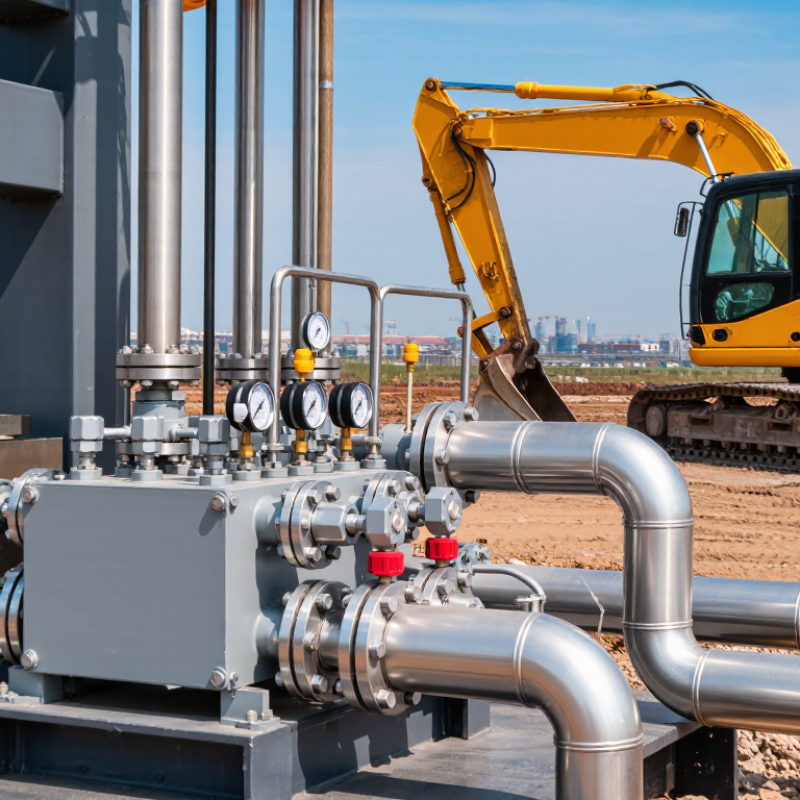
Table of Contents
[Hide]
What Hydraulic Controls Include and How They Work
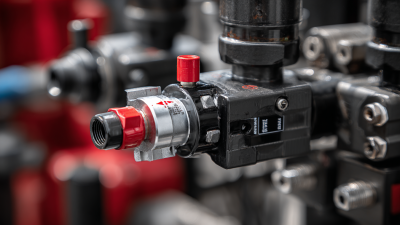
Hydraulic controls manage how pressurized oil moves through a machine. They typically include directional valves, pressure-control valves, flow-control valves, sensors, and electronic controllers. Together, these parts determine where oil goes, how much force it delivers, and how quickly an actuator moves.
A directional valve routes oil to one side of a cylinder, extending or retracting its rod. Pressure valves limit force and help protect the circuit when a load stalls. Flow valves adjust speed; a small change in their opening can noticeably alter a cylinder’s travel. Sensors can measure pressure, position, or temperature, while a controller uses those signals to adjust valve operation. Simple in principle.
Consider a lifting platform: the pump supplies oil, a valve directs it to the lift cylinder, and a pressure setting helps prevent overload. In practice, oil temperature, contamination, hose length, and changing loads can affect response. The neat diagram is not the whole story. When assessing a Chinese manufacturer, ask for circuit drawings, component specifications, and test data for the intended duty cycle. Check how the controls behave under real load, not only at idle. A stable system matters more than an impressive list of parts.
Related Posts
-
Hydraulic System Tips for Efficient Performance and Maintenance?
-
China Best Hydraulic Components Suppliers for Global Buyers
-

Understanding the Importance of Hydraulic Flow Control Valves in Modern Industrial Applications
-
2026 How to Choose a Hydraulic Directional Control Valve for Your Project?
-

Top 10 Hydraulic System Innovations Transforming China Industries?
-
Maximizing Efficiency: How Directional Control Valves Transform Hydraulic Systems





