


- Home
- A-Z Catalogue
- Products
- Valves
- Cetop
- Manual Directional Valves
- Proportional Valves
- Poppet Valves
- High-Speed Linear Servo Valves
- All High-Speed Linear Servo Valves
- Cetop 10 (NG32) Two Stage Type High Speed Linear Servo Valves – LSVHG-10
- Cetop 10 (NG32) Two Stage Type High Speed Linear Servo Valves – LSVHG-10 (With Fail-Safe)
- Cetop 8 (NG25) Two Stage Type High Speed Linear Servo Valves – LSVHG-06
- Cetop 8 (NG25) Two Stage Type High Speed Linear Servo Valves – LSVHG-06 (With Fail-Safe)
- Cetop 7 (NG16) Two Stage Type High Speed Linear Servo Valves – LSVHG-04
- Cetop 7 (NG16) Two Stage Type High Speed Linear Servo Valves – LSVHG-04 (With Fail-Safe)
- Cetop 5 (NG10) Direct Type High Speed Linear Servo Valves – LSVG-03
- Cetop 5 (NG10) OBE Type Direct Operated Linear Servo Valves – LSVG-03-EH
- Cetop 3 (NG6) OBE Type Direct Operated Linear Servo Valves – LSVG-01-EH
- Pumps
- Pressure control
- Flow Control Valves
- Pressure Control Valves
- All Pressure Control Valves
- Brake Valves
- Direct Relief Valve
- Low Noise Solenoid Controlled Relief Valves
- Low Noise Pilot Operated Relief Valves
- Pilot Operated Relief Valves
- Pressure reducing and relieving valves
- Pressure reducing and check valves
- Pressure control valves
- Remote Control Relief Valves
- Solenoid Controlled Relief Valves – BSG
- Solenoid Controlled Relief Valves – BST
- Unloading relief valves
- Check valves
- Environmental
- Valves
- Hydraulic Systems
- Power pack
- About Us
- Contact
- Blog

China Top 10 Proportional Valve Manufacturers
China has become an important source of hydraulic components, including proportional valves used in mobile machinery, industrial equipment, and manufacturing systems. These valves regulate flow or pressure in response to an electrical input, helping operators achieve smoother, more controlled movement. Small differences matter. Spool design, response time, contamination tolerance, and electrical compatibility can all affect performance in the field.
This introduction to China’s top 10 proportional valve manufacturers offers a practical starting point for buyers comparing suppliers. Rather than treating any list as a universal ranking, it considers factors such as product range, application experience, technical documentation, customization options, and after-sales support. Public product information can help narrow the search, but it cannot replace sample testing or a detailed review of operating conditions. That is worth remembering.
A valve suited to a compact agricultural machine may not meet the demands of a high-duty industrial system. Buyers should confirm pressure and flow requirements, control signals, installation dimensions, and expected service conditions directly with each manufacturer. Ask for current specifications and test records where relevant. Supplier communication also deserves attention; clear answers can reveal practical strengths, while vague claims deserve follow-up. The companies featured in this guide represent options to investigate, not automatic endorsements. Careful comparison remains essential.
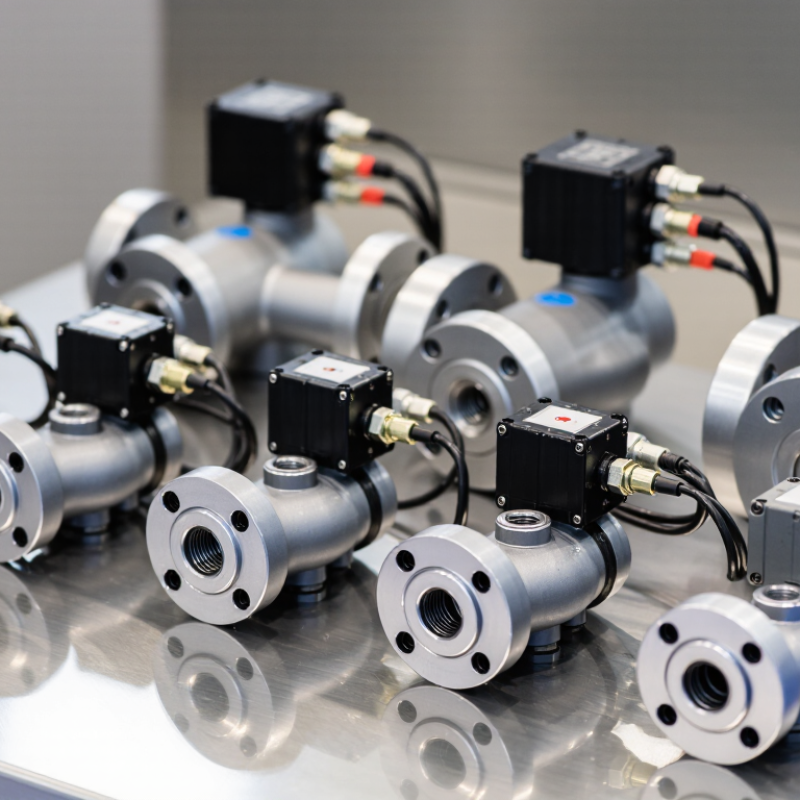
Table of Contents
[Hide]
What Proportional Valves Are and How They Differ from On-Off Valves
An on-off valve behaves like a switch: it opens or closes a flow path. A proportional valve adjusts its opening in response to an electrical input, allowing flow or pressure to change more gradually. That is the key difference. In a hydraulic press, for example, proportional control can help the ram approach a workpiece slowly, then move faster during the main stroke. The result depends on valve sizing, control signals, oil condition, and system design—not the valve alone.
The International Energy Agency’s 2011 report, Energy-Efficiency Policy Opportunities for Electric Motor-Driven Systems, estimated that motor-driven systems use about 45% of global electricity. This figure is not a valve-savings estimate, but it highlights why controlling pumps and driven equipment matters. A proportional valve may support smoother motion and better process control, yet it can also create heat and pressure losses when poorly selected. More control is not automatically more efficiency.
Tips: Match the valve’s flow range to the actuator, check the required response time, and keep hydraulic fluid clean. Test under real operating conditions; a neat control signal does not always mean smooth motion at the cylinder.
Related Posts
-
What is a Pilot Operated Check Valve and How Does It Work in Hydraulic Systems
-

10 Essential Tips for Maintaining an Efficient Hydraulic System
-
7 Best Yuken Valve Suppliers for Global Buyers?
-
How to Choose a Hydraulic System in 2026?
-

Understanding the Importance of Hydraulic Flow Control Valves in Modern Industrial Applications
-
What is a Hydraulic Power Pack and How Does it Work?





