


- Home
- A-Z Catalogue
- Products
- Valves
- Cetop
- Manual Directional Valves
- Proportional Valves
- Poppet Valves
- High-Speed Linear Servo Valves
- All High-Speed Linear Servo Valves
- Cetop 10 (NG32) Two Stage Type High Speed Linear Servo Valves – LSVHG-10
- Cetop 10 (NG32) Two Stage Type High Speed Linear Servo Valves – LSVHG-10 (With Fail-Safe)
- Cetop 8 (NG25) Two Stage Type High Speed Linear Servo Valves – LSVHG-06
- Cetop 8 (NG25) Two Stage Type High Speed Linear Servo Valves – LSVHG-06 (With Fail-Safe)
- Cetop 7 (NG16) Two Stage Type High Speed Linear Servo Valves – LSVHG-04
- Cetop 7 (NG16) Two Stage Type High Speed Linear Servo Valves – LSVHG-04 (With Fail-Safe)
- Cetop 5 (NG10) Direct Type High Speed Linear Servo Valves – LSVG-03
- Cetop 5 (NG10) OBE Type Direct Operated Linear Servo Valves – LSVG-03-EH
- Cetop 3 (NG6) OBE Type Direct Operated Linear Servo Valves – LSVG-01-EH
- Pumps
- Pressure control
- Flow Control Valves
- Pressure Control Valves
- All Pressure Control Valves
- Brake Valves
- Direct Relief Valve
- Low Noise Solenoid Controlled Relief Valves
- Low Noise Pilot Operated Relief Valves
- Pilot Operated Relief Valves
- Pressure reducing and relieving valves
- Pressure reducing and check valves
- Pressure control valves
- Remote Control Relief Valves
- Solenoid Controlled Relief Valves – BSG
- Solenoid Controlled Relief Valves – BST
- Unloading relief valves
- Check valves
- Environmental
- Valves
- Hydraulic Systems
- Power pack
- About Us
- Contact
- Blog

How to Choose the Right Pressure Relief Valve for Your Needs?
Choosing the right pressure relief valve is crucial for safety and efficiency in any industrial application. A pressure relief valve is designed to protect equipment by controlling excess pressure. Selecting the appropriate one can be daunting due to the wide range of options available.
Each valve has specific features that affect its performance. Understanding factors such as size, pressure ratings, and media compatibility is essential. Many users overlook these details, which can lead to costly mistakes. Additionally, the valve's material can impact its reliability in various environments.
It’s also vital to consider the manufacturer's reputation. Researching trusted brands can ensure higher quality and performance. However, even reputable manufacturers can have variations in their products. Engaging with industry experts can provide insights that help in making informed decisions. Remember, what works for one application may not be suitable for another. The right choice requires reflection on specific needs and conditions.
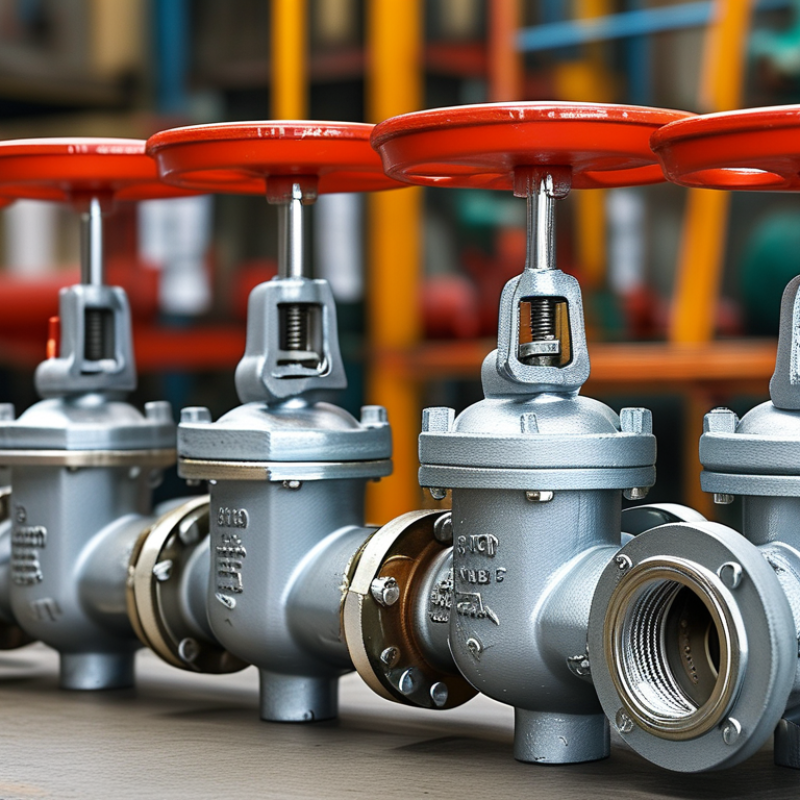
Table of Contents
[Hide]
Understanding the Function of Pressure Relief Valves
Pressure relief valves are crucial for maintaining safety in various systems. They help prevent over-pressurization, which can lead to catastrophic failures. These valves open automatically when pressure exceeds a predetermined limit. This function is essential in protecting equipment and personnel from potential hazards. By relieving excess pressure, they ensure the system operates within safe parameters.
Different types of pressure relief valves cater to specific needs. It’s important to understand the operational environment when making a choice. Factors such as temperature, fluid type, and pressure ranges impact valve performance. Selecting the wrong valve can lead to inefficiencies or even dangerous situations. Regular maintenance is also necessary, as even the best valves require oversight to function correctly. Ignoring this can lead to unexpected issues.
Choosing the right valve involves careful consideration and sometimes trial and error. It’s common for engineers to revisit their initial choices after installation. Reflecting on past experiences can guide future decisions. After all, an informed choice based on both expertise and practical insights can make all the difference in maintaining system integrity.
How to Choose the Right Pressure Relief Valve for Your Needs? - Understanding the Function of Pressure Relief Valves
| Valve Type | Pressure Range (psi) | Flow Rate (GPM) | Material | Application |
|---|---|---|---|---|
| Spring Loaded | 30 - 300 | 50 | Stainless Steel | Water Systems |
| Pilot Operated | 100 - 1500 | 100 | Bronze | Oil and Gas |
| Balanced Bellows | 20 - 500 | 75 | Carbon Steel | Chemical Processing |
| Safety Relief | 10 - 1000 | 125 | Alloy | Steam & Boiler |
| Threaded Valve | 5 - 250 | 30 | Plastic | Water Filtration |
Related Posts
-
Understanding the Importance of Hydraulic Pressure Control Valves in Modern Industrial Applications
-
7 Essential Tips for Choosing the Right Hydraulic Valve for Your Application
-
2026 Best Hydraulic Valve Innovations for Enhanced Performance?
-
10 Essential Tips for Choosing the Right Hydraulic Relief Valve
-
How to Choose the Right Pressure Control Valve for Your System?
-
How to Choose the Right Hydraulic Pressure Control Valve?