


- Home
- A-Z Catalogue
- Products
- Valves
- Cetop
- Manual Directional Valves
- Proportional Valves
- Poppet Valves
- High-Speed Linear Servo Valves
- All High-Speed Linear Servo Valves
- Cetop 10 (NG32) Two Stage Type High Speed Linear Servo Valves – LSVHG-10
- Cetop 10 (NG32) Two Stage Type High Speed Linear Servo Valves – LSVHG-10 (With Fail-Safe)
- Cetop 8 (NG25) Two Stage Type High Speed Linear Servo Valves – LSVHG-06
- Cetop 8 (NG25) Two Stage Type High Speed Linear Servo Valves – LSVHG-06 (With Fail-Safe)
- Cetop 7 (NG16) Two Stage Type High Speed Linear Servo Valves – LSVHG-04
- Cetop 7 (NG16) Two Stage Type High Speed Linear Servo Valves – LSVHG-04 (With Fail-Safe)
- Cetop 5 (NG10) Direct Type High Speed Linear Servo Valves – LSVG-03
- Cetop 5 (NG10) OBE Type Direct Operated Linear Servo Valves – LSVG-03-EH
- Cetop 3 (NG6) OBE Type Direct Operated Linear Servo Valves – LSVG-01-EH
- Pumps
- Pressure control
- Flow Control Valves
- Pressure Control Valves
- All Pressure Control Valves
- Brake Valves
- Direct Relief Valve
- Low Noise Solenoid Controlled Relief Valves
- Low Noise Pilot Operated Relief Valves
- Pilot Operated Relief Valves
- Pressure reducing and relieving valves
- Pressure reducing and check valves
- Pressure control valves
- Remote Control Relief Valves
- Solenoid Controlled Relief Valves – BSG
- Solenoid Controlled Relief Valves – BST
- Unloading relief valves
- Check valves
- Environmental
- Valves
- Hydraulic Systems
- Power pack
- About Us
- Contact
- Blog

7 Best Hydraulic Check Valves for Global Buyers
Hydraulic systems rarely fail loudly at the beginning. A small reverse-flow leak can gradually raise heat, reduce actuator accuracy, and damage a pump. That is why selecting the right hydraulic check valve requires more than comparing pressure ratings. Port size, cracking pressure, sealing material, installation direction, contamination tolerance, and service temperature all affect real performance.
Industry data shows why this decision matters. Fortune Business Insights reported steady expansion in the global hydraulic equipment market, supported by construction, agriculture, manufacturing, and mobile machinery demand. Grand View Research has also identified automation and energy-efficient fluid systems as important market drivers. These reports describe broad growth, not a guarantee for every component. The practical lesson is clear: buyers need verified specifications and application evidence.
This guide reviews seven hydraulic check valve options for international purchasers. Each choice is considered through pressure capability, flow stability, materials, maintenance needs, supplier documentation, and suitability for different operating environments. ISO 4413 provides useful safety principles for hydraulic systems, but compliance alone does not prove product quality. Field experience still matters. A valve that performs well on a clean test bench may struggle beside a dusty excavator or a cold outdoor power unit.
No shortlist is perfect. Product availability, regional certification, and replacement logistics can change the final decision. Buyers should confirm current datasheets, test reports, warranty terms, and technical support before ordering. Small details matter. A missing elastomer specification can become an expensive surprise.
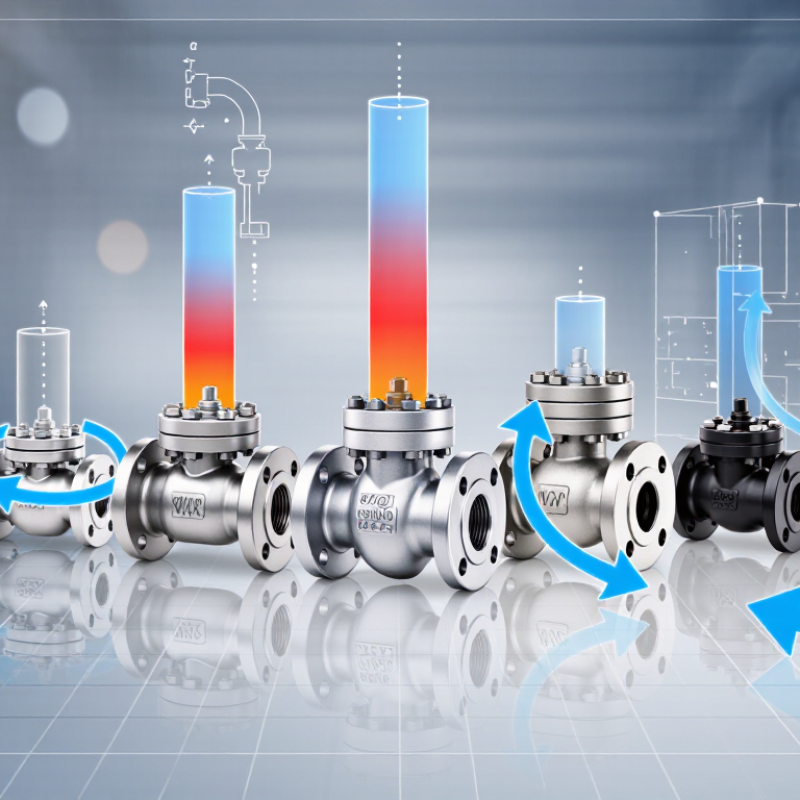
Table of Contents
[Hide]
Hydraulic Check Valves: Purpose, Design, and Operating Principles
A hydraulic check valve permits fluid flow in one direction and blocks reverse movement. Its purpose is simple: protect pumps, hold actuator loads, and prevent pressure from escaping through an inactive circuit. Inside, a poppet, ball, or spool moves against a spring. When inlet pressure exceeds cracking pressure, the valve opens. Reverse pressure pushes the sealing element closed.
Design details decide real performance. A guided poppet usually offers tighter shutoff, while a ball design tolerates some contamination but may respond less precisely. Spring selection affects cracking pressure, pressure drop, and response speed. The International Energy Agency reports that industrial motor-driven systems can waste substantial energy through throttling and poor control. Hydraulic circuits show similar behavior when valves are oversized or poorly matched. Small errors become heat.
Field inspection often reveals the truth. A valve may pass its bench test yet leak after dust enters a worn seat. The U.S. Department of Energy identifies leakage, excessive pressure, and inefficient flow control as recurring hydraulic losses. Global buyers should verify ISO 4413 compliance, pressure ratings, fluid compatibility, temperature limits, and ISO 4406 cleanliness targets. Grand View Research projects steady growth in the global hydraulic equipment market, with demand supported by construction, agriculture, and industrial machinery. That growth does not remove selection risk. A cheaper valve can create higher lifetime costs through pressure loss, downtime, or difficult maintenance. Real systems are messier. Specification sheets need operating data, not guesswork.
Related Posts
-

Understanding the Importance of Hydraulic Flow Control Valves in Modern Industrial Applications
-

How to Choose the Right Hydraulic Unit for Your Needs?
-

Understanding the Role of Hydraulic Valves in Modern Industrial Applications
-
Best Hydraulic Valve Repair Techniques for Optimal Performance?
-
How to Choose the Right Hydraulic Control Valve for Your Needs
-

How to Choose the Right Directional Control Valve for Your Project