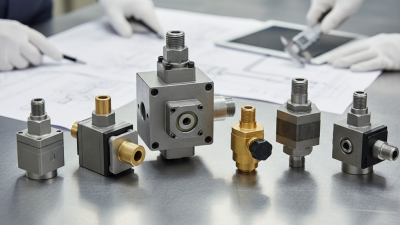
2026 Best Hydraulic Directional Control Valve for Sale?

In 2026, buying a hydraulic directional control valve is not just a matter of comparing prices. The valve must match the system’s pressure, flow rate, fluid, and operating conditions. A mismatch can cause slow actuator movement, excess heat, or unstable control. Small details matter.

Before requesting a quote, check the machine’s hydraulic diagram and valve specifications. Note the required number of sections, spool configuration, port size, mounting style, and control method. For example, a compact mobile machine may need a different valve arrangement from a fixed industrial press. Confirm the rated pressure and flow against real operating demands, not just the pump’s headline figures. Leave sensible capacity margins, but avoid oversizing without a reason.

This guide looks at what to compare when evaluating 2026 valves for sale, including construction, compatibility, service access, and supplier support. Ask for current technical documentation and clear warranty terms. If possible, verify performance with a sample or documented test data. A low purchase price can look attractive. It may not reflect installation time, replacement parts, or downtime. I would also question any listing that omits basic ratings; that omission is easy to overlook when comparing several offers. No single model suits every machine. Careful checks help narrow the options and support a more dependable purchase.
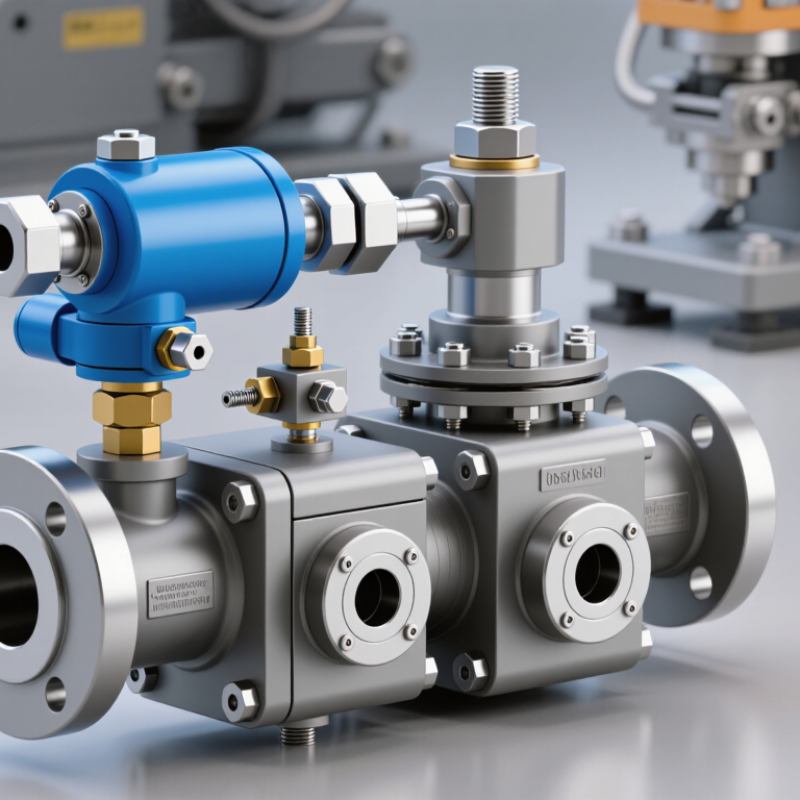
2026 Best Hydraulic Directional Control Valve for Sale?

What a Hydraulic Directional Control Valve Does

2026 Best Hydraulic Directional Control Valve for Sale?

What a Hydraulic Directional Control Valve Does

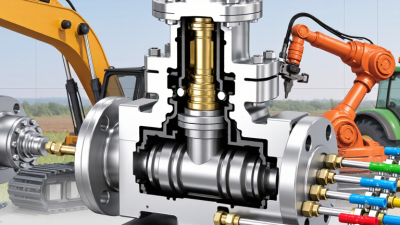
A hydraulic directional control valve guides pressurized oil through different passages in a system. Its spool shifts to connect the pump, actuator, and return line. This controls whether a cylinder extends, retracts, or holds position. The valve directs flow; it does not create hydraulic power. Small details matter. A worn spool or contaminated oil can cause sluggish movement or drift.

Valve designs vary in the number of ports and switching positions. Some use a lever, while others rely on electrical or hydraulic actuation. Choose a configuration that matches the circuit, flow rate, operating pressure, and actuator needs. Check the machine’s documentation and port layout before installation. In practice, a tidy diagram may not show every pressure spike or operating habit. That gap deserves attention, not guesswork.

Tips: Keep oil clean, verify pressure ratings, and inspect for leaks. Test movement at low load after installation. If the actuator behaves unexpectedly, stop and check the circuit before increasing pressure.

How a Directional Control Valve Routes Hydraulic Fluid

2026 Best Hydraulic Directional Control Valve for Sale?
How a Directional Control Valve Routes Hydraulic Fluid

A directional control valve guides pressurized oil between a pump, actuator, and reservoir. Inside, a sliding spool opens and blocks passages as it shifts. In a common four-way valve, ports P and T connect to pressure and tank, while A and B serve a cylinder or motor. Move the spool one way, and oil enters port A as fluid exits through B. Reverse the spool, and the actuator changes direction.

The center position depends on the valve design. A closed-center spool may block the work ports, while an open-center design may allow flow through the valve. Check the hydraulic schematic before selecting a replacement; similar-looking valves can route oil differently. That matters. A mismatch can cause sluggish movement, heat, or unexpected actuator behavior. Spool wear and contamination can also affect response, so clean fluid and routine inspection are practical safeguards.

Tips: Confirm port labels, spool configuration, flow capacity, and pressure rating against the machine’s requirements. Watch the actuator during a low-risk functional check. Small shifts count. If its movement seems rough, inspect the circuit before assuming the valve is at fault.

2026 Best Hydraulic Directional Control Valve for Sale? — How a Directional Control Valve Routes Hydraulic Fluid

How to read this chart: It shows the flow-path connections for a standard closed-center 4/3 directional valve. A value of 1 means the path is open; 0 means it is blocked. In neutral, all ports are blocked. In the extend position, P connects to A and B connects to T; in retract, P connects to B and A connects to T. These are connection states, not measured flow rates.

Common Valve Designs and Their Applications

2026 Best Hydraulic Directional Control Valve for Sale?
Common Valve Designs and Their Applications

Directional valves route pressurized oil to extend, retract, or hold an actuator. A standard spool valve suits mobile machinery, presses, and machine tools. Its sliding spool handles several flow paths in a compact body. In a loader, for example, separate sections can control the lift arms and bucket. Spool clearance and oil cleanliness matter; contamination can cause sticking or internal leakage. A practical selection should check rated flow, pressure, port size, and the machine’s duty cycle.

Poppet valves use seated elements to seal flow paths. They often limit leakage well, making them useful for holding loads or isolating cylinders. Proportional valves vary flow with an electrical signal, supporting smoother speed control in test rigs and automated equipment. They need compatible controls and cleaner oil than a basic on-off circuit. Small details matter. Coil response and pressure drop can change how an actuator behaves under load.

The U.S. Department of Energy’s Improving Pumping System Performance sourcebook reports that pumping systems can account for 25–50% of energy use in some industrial facilities. That figure describes whole pumping systems, not directional valves alone. Still, it shows why system losses deserve attention: an oversized valve or unnecessary throttling can waste energy as heat. Selection charts rarely capture cold starts, worn seals, or dirty oil. Check real operating conditions, not just catalog numbers.

2026 Best Hydraulic Directional Control Valve for Sale? - Common Valve Designs and Their Applications

Valve Design Typical Ports / Positions How It Directs Flow Common Applications Key Selection Considerations
2/2-way shut-off valve 2 ports, 2 positions Opens or blocks a flow path. Isolating a hydraulic line, enabling or disabling a circuit, and simple on/off control. Confirm whether the required normal state is open or closed, along with pressure, flow, and leakage requirements.
3/2-way directional valve 3 ports, 2 positions Connects a working port to pressure in one position and to tank or another passage in the other, depending on the valve configuration. Single-acting cylinders and circuits that require a pressure, return, or exhaust path. Check the valve’s flow-path diagram and default position; port connections vary by design.
4/2-way directional valve 4 ports, 2 positions Alternates pressure and return connections between two actuator lines. Reversing a double-acting cylinder or a hydraulic motor in applications that do not require a neutral position. Verify actuator flow requirements, actuation method, and whether the circuit needs a neutral state.
4/3-way spool valve 4 ports, 3 positions Reverses actuator flow and provides a center position. Center options include closed, tandem, float, and open configurations. Mobile equipment, machine tools, and other circuits using double-acting cylinders or reversible motors. Choose the center condition to suit the pump and actuator circuit; spool overlap and leakage characteristics also matter.
Solenoid-operated spool valve Commonly 4/2 or 4/3 An electrical signal shifts a spool to change the hydraulic flow paths. Automated machinery, remote switching, and systems controlled by electrical or electronic equipment. Match coil voltage and electrical duty to the control system, and confirm pressure, flow, connector, and manual override requirements.
Pilot-operated directional valve Often a pilot stage controlling a main stage A smaller pilot flow shifts a larger main valve to control the primary circuit. Hydraulic systems that need to switch higher flows than a direct-operated valve can handle within the chosen design. Check pilot pressure and drain requirements, response behavior, and compatibility with the main-stage valve.
Monoblock valve assembly Multiple spool sections in one body Combines several directional functions in a single valve body. Compact equipment with a set number of hydraulic functions, such as small machinery and vehicle attachments. Consider available spool functions, port arrangement, mounting space, and service access.
Sectional valve assembly Separate inlet, working, and end sections assembled together Routes flow through configurable sections, with each working section controlling a circuit function. Equipment requiring several hydraulic functions or a valve bank that can be configured for the machine. Check section compatibility, inlet and outlet arrangements, available flow-sharing options, and the complete assembly’s pressure and flow limits.

Selection note: Compare each valve’s rated pressure and flow with the hydraulic circuit requirements, and verify its porting diagram, mounting interface, actuation method, fluid compatibility, and operating conditions before purchase.

Key Specifications for Comparing Hydraulic Control Valves

A hydraulic directional control valve should be compared by its working limits, not by appearance alone. Check the rated pressure and flow, then compare them with the machine’s peak load and pump output. A valve rated for 80 liters per minute may run hot or respond poorly if the circuit regularly demands more. Leave a sensible operating margin. Exact needs depend on the system.

Spool configuration matters too. A 4/3 valve with a closed center behaves differently from one with a float or tandem center when the lever returns to neutral. Confirm port size, mounting pattern, and actuator type before ordering; a mismatched port can restrict flow, while an incompatible mount can turn installation into rework. Check allowable fluid viscosity and temperature, seal compatibility, and filtration requirements. Small details matter. Response time and internal leakage are harder to judge from a listing, so look for test conditions or request the data sheet. A tidy specification sheet can still leave important questions unanswered. I would also compare duty cycle and pressure-drop figures, because a valve that fits on paper may feel sluggish after hours of real operation. Don’t assume “standard” means suitable.

How to Choose a Hydraulic Directional Control Valve for Sale in 2026

2026 Best Hydraulic Directional Control Valve for Sale?

How to Choose a Hydraulic Directional Control Valve for Sale in 2026

The best valve is the one that matches your circuit, not simply the one with the highest pressure rating. Start with the required flow rate, working pressure, and number of actuator positions. Then confirm the spool configuration and center condition suit your system when the control is neutral. A mismatch can cause unwanted movement or extra heat.

Check actuation type, mounting pattern, port size, and fluid compatibility against the machine’s specifications. Review the pressure-drop curve at your actual flow; a valve’s maximum rating alone does not show how it will perform in daily use. Allow for operating temperature and expected contamination, too. A tidy catalog table may still leave out details that matter during installation, so verify dimensions and connection standards before ordering.

Tips: Compare the valve data sheet with your circuit diagram. Leave enough clearance for hoses and service access. If flow or pressure is uncertain, measure under normal operating conditions before selecting a model. Small oversights happen—even a suitable valve may need adjustment after installation.