


- Home
- A-Z Catalogue
- Products
- Valves
- Cetop
- Manual Directional Valves
- Proportional Valves
- Poppet Valves
- High-Speed Linear Servo Valves
- All High-Speed Linear Servo Valves
- Cetop 10 (NG32) Two Stage Type High Speed Linear Servo Valves – LSVHG-10
- Cetop 10 (NG32) Two Stage Type High Speed Linear Servo Valves – LSVHG-10 (With Fail-Safe)
- Cetop 8 (NG25) Two Stage Type High Speed Linear Servo Valves – LSVHG-06
- Cetop 8 (NG25) Two Stage Type High Speed Linear Servo Valves – LSVHG-06 (With Fail-Safe)
- Cetop 7 (NG16) Two Stage Type High Speed Linear Servo Valves – LSVHG-04
- Cetop 7 (NG16) Two Stage Type High Speed Linear Servo Valves – LSVHG-04 (With Fail-Safe)
- Cetop 5 (NG10) Direct Type High Speed Linear Servo Valves – LSVG-03
- Cetop 5 (NG10) OBE Type Direct Operated Linear Servo Valves – LSVG-03-EH
- Cetop 3 (NG6) OBE Type Direct Operated Linear Servo Valves – LSVG-01-EH
- Pumps
- Pressure control
- Flow Control Valves
- Pressure Control Valves
- All Pressure Control Valves
- Brake Valves
- Direct Relief Valve
- Low Noise Solenoid Controlled Relief Valves
- Low Noise Pilot Operated Relief Valves
- Pilot Operated Relief Valves
- Pressure reducing and relieving valves
- Pressure reducing and check valves
- Pressure control valves
- Remote Control Relief Valves
- Solenoid Controlled Relief Valves – BSG
- Solenoid Controlled Relief Valves – BST
- Unloading relief valves
- Check valves
- Environmental
- Valves
- Hydraulic Systems
- Power pack
- About Us
- Contact
- Blog

7 Yuken Valve Buying Tips for Global Buyers?
A yuken valve can look like a straightforward replacement, yet a small mismatch may affect an entire hydraulic circuit. Global buyers should compare the exact model code, pressure rating, flow capacity, mounting pattern, and port size against the equipment manual. Check the operating fluid and temperature range, too. Details matter. A familiar product name does not guarantee that every variant will fit. If the valve is solenoid-operated, confirm its voltage, connector, and control requirements before placing an order. These checks are practical, not paperwork for its own sake. They can prevent delays caused by receiving a valve that appears correct but cannot be installed or operated as intended.
Supplier evaluation deserves equal care. Request a current datasheet, clear photographs of the nameplate, and written confirmation of the supplied model and condition. Compare those details with the manufacturer’s documentation where available, and ask how warranty claims, spare parts, and technical support work across your region. For larger orders, a sample or pre-shipment inspection may reduce uncertainty. Shipping costs, lead times, packaging, and import documentation can also change the real purchase cost. One point is easy to miss: the lowest quotation may exclude important service or delivery details. Buyers should record their requirements and compare offers line by line. No checklist removes every risk, and model codes can be confusing. A careful review, however, makes a more reliable purchase decision possible.
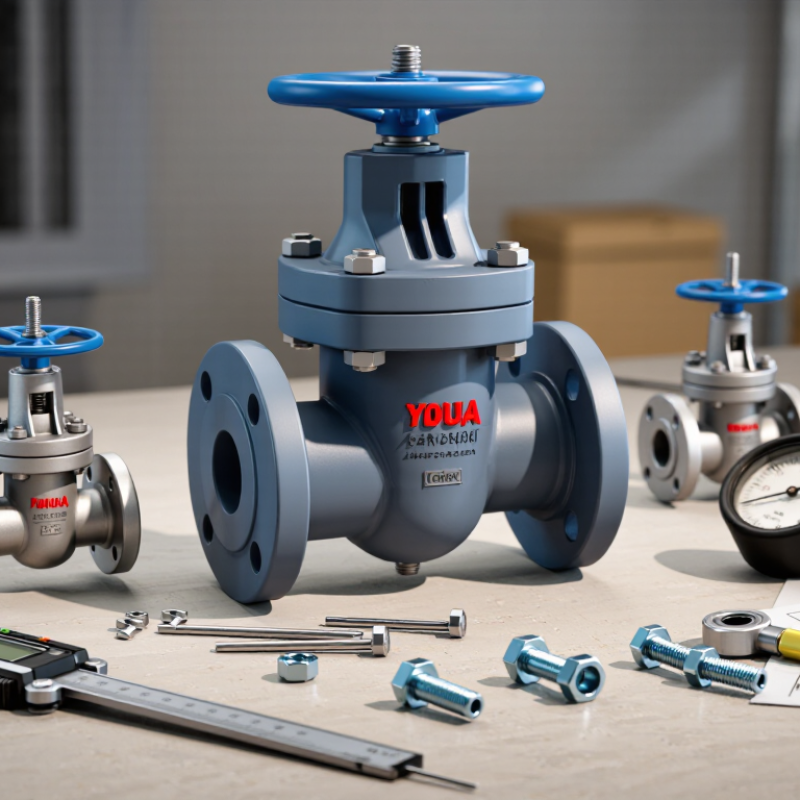
Table of Contents
[Hide]
Understand Yuken Valve Types and Their Intended Applications
A valve choice starts with the job, not the catalogue. Directional valves route oil to a cylinder or motor; pressure-control valves limit force and protect components. Flow-control valves adjust actuator speed, while check valves block reverse flow. In a press, pressure control helps maintain clamping force. On a mobile lift, directional control governs movement, and flow control can soften starts.
Proportional valves vary flow or pressure with an electrical signal, making them useful where motion needs finer adjustment. Servo valves can offer faster, more precise response, but demand clean fluid and careful maintenance. That trade-off matters. A dusty workshop or inconsistent filtration can turn precision into downtime. The categories overlap in real machines, so a valve’s name alone rarely settles the choice.
Market figures give context, not a sizing formula. Grand View Research’s Hydraulic Equipment Market Size, Share & Trends Analysis Report valued the global hydraulic equipment market at USD 42.6 billion in 2022 and projected 5.3% annual growth from 2023 to 2030. This broad market estimate does not identify which valve type a buyer needs. Compare operating pressure, flow, response, fluid cleanliness, and duty cycle against the actual circuit. Even a well-matched valve may perform poorly if its connections or control signal do not fit.
Related Posts
-
7 Best Yuken Valve Suppliers for Global Buyers?
-
Understanding Yuken Directional Valves and Their Applications in Modern Hydraulic Systems
-

Why Choose Yuken Valves for Your Industrial Applications
-
Top 10 Yuken Valve Solutions for Optimal Hydraulic Performance
-
How to Choose the Best Yuken Directional Valve for Your Needs?
-
2026 Top Yuken Valve Buying Guide for Global Buyers?





