


- Home
- A-Z Catalogue
- Products
- Valves
- Cetop
- Manual Directional Valves
- Proportional Valves
- Poppet Valves
- High-Speed Linear Servo Valves
- All High-Speed Linear Servo Valves
- Cetop 10 (NG32) Two Stage Type High Speed Linear Servo Valves – LSVHG-10
- Cetop 10 (NG32) Two Stage Type High Speed Linear Servo Valves – LSVHG-10 (With Fail-Safe)
- Cetop 8 (NG25) Two Stage Type High Speed Linear Servo Valves – LSVHG-06
- Cetop 8 (NG25) Two Stage Type High Speed Linear Servo Valves – LSVHG-06 (With Fail-Safe)
- Cetop 7 (NG16) Two Stage Type High Speed Linear Servo Valves – LSVHG-04
- Cetop 7 (NG16) Two Stage Type High Speed Linear Servo Valves – LSVHG-04 (With Fail-Safe)
- Cetop 5 (NG10) Direct Type High Speed Linear Servo Valves – LSVG-03
- Cetop 5 (NG10) OBE Type Direct Operated Linear Servo Valves – LSVG-03-EH
- Cetop 3 (NG6) OBE Type Direct Operated Linear Servo Valves – LSVG-01-EH
- Pumps
- Pressure control
- Flow Control Valves
- Pressure Control Valves
- All Pressure Control Valves
- Brake Valves
- Direct Relief Valve
- Low Noise Solenoid Controlled Relief Valves
- Low Noise Pilot Operated Relief Valves
- Pilot Operated Relief Valves
- Pressure reducing and relieving valves
- Pressure reducing and check valves
- Pressure control valves
- Remote Control Relief Valves
- Solenoid Controlled Relief Valves – BSG
- Solenoid Controlled Relief Valves – BST
- Unloading relief valves
- Check valves
- Environmental
- Valves
- Hydraulic Systems
- Power pack
- About Us
- Contact
- Blog

Why Choose Beta Protection Shield for Global Sourcing?
Global sourcing rarely fails at the purchase order. It fails during handling, storage, and transport. A carton may leave Shenzhen dry, then face rain, condensation, vibration, and repeated loading in Rotterdam. Beta Protection Shield deserves attention because protection must follow the product across every handoff.
UNCTAD’s Review of Maritime Transport reports that ships carry over 80% of global merchandise trade by volume. The World Bank’s Logistics Performance Index 2023 also shows how reliability, tracking, and shipment quality influence supply-chain performance. These findings support a practical question: can Beta Protection Shield help suppliers reduce avoidable damage without creating unnecessary packaging waste?
Supply-chain expert Martin Christopher wrote, “The supply chain competes, not companies.” His point remains useful here. Buyers need measurable protection, clear specifications, and evidence from real shipments. They should examine moisture resistance, impact performance, installation time, inspection records, and end-of-life handling. Small details matter. A crushed corner matters.
Beta Protection Shield may offer value when it combines consistent protection with transparent quality controls. However, no shield eliminates every sourcing risk. That would be an unrealistic promise. Performance can vary with climate, cargo weight, warehouse conditions, and staff training. A careful evaluation should therefore compare pilot shipments, damage rates, total packaging cost, and customer feedback. The evidence may be imperfect, but disciplined testing creates a more reliable basis for global sourcing decisions.
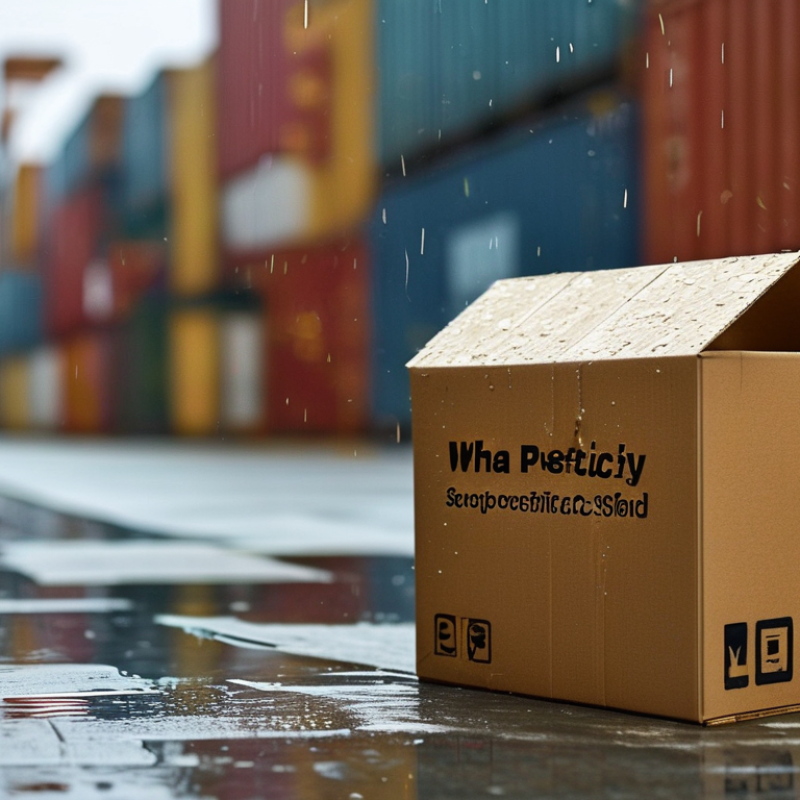
Table of Contents [Hide]
What Is the Beta Protection Shield in Global Sourcing?
Why Choose Beta Protection Shield for Global Sourcing?
What Is the Beta Protection Shield in Global Sourcing?
The Beta Protection Shield is a practical risk-control layer for international sourcing. It helps buyers examine suppliers, products, documents, payments, and delivery plans before commitments become expensive. It is not a single certificate or legal guarantee. Instead, it combines verification steps with clear evidence and controlled decisions.
A sourcing team may review a factory’s registration, production capacity, quality records, and export experience. It can also compare samples with approved specifications. For example, a buyer might photograph carton labels, record inspection results, and confirm shipment details before releasing payment. These small checks create a visible trail. They also make disagreements easier to investigate.
The process should include independent inspections when the order carries serious quality or safety risks. Contracts need precise descriptions, realistic delivery dates, and documented acceptance standards. Payment protection can reduce exposure, but it cannot replace supplier research. That mistake happens often.
In practice, the shield works best when risks are ranked. A new supplier deserves closer review than a proven partner. A complex product needs stronger testing than a standard item. Human judgment still matters. Records can be incomplete, and inspections can miss hidden problems. Therefore, teams should review their controls after each shipment and adjust weak points. A delayed container, mismatched batch number, or unclear invoice can reveal where the protection system needs improvement.