


- Home
- A-Z Catalogue
- Products
- Valves
- Cetop
- Manual Directional Valves
- Proportional Valves
- Poppet Valves
- High-Speed Linear Servo Valves
- All High-Speed Linear Servo Valves
- Cetop 10 (NG32) Two Stage Type High Speed Linear Servo Valves – LSVHG-10
- Cetop 10 (NG32) Two Stage Type High Speed Linear Servo Valves – LSVHG-10 (With Fail-Safe)
- Cetop 8 (NG25) Two Stage Type High Speed Linear Servo Valves – LSVHG-06
- Cetop 8 (NG25) Two Stage Type High Speed Linear Servo Valves – LSVHG-06 (With Fail-Safe)
- Cetop 7 (NG16) Two Stage Type High Speed Linear Servo Valves – LSVHG-04
- Cetop 7 (NG16) Two Stage Type High Speed Linear Servo Valves – LSVHG-04 (With Fail-Safe)
- Cetop 5 (NG10) Direct Type High Speed Linear Servo Valves – LSVG-03
- Cetop 5 (NG10) OBE Type Direct Operated Linear Servo Valves – LSVG-03-EH
- Cetop 3 (NG6) OBE Type Direct Operated Linear Servo Valves – LSVG-01-EH
- Pumps
- Pressure control
- Flow Control Valves
- Pressure Control Valves
- All Pressure Control Valves
- Brake Valves
- Direct Relief Valve
- Low Noise Solenoid Controlled Relief Valves
- Low Noise Pilot Operated Relief Valves
- Pilot Operated Relief Valves
- Pressure reducing and relieving valves
- Pressure reducing and check valves
- Pressure control valves
- Remote Control Relief Valves
- Solenoid Controlled Relief Valves – BSG
- Solenoid Controlled Relief Valves – BST
- Unloading relief valves
- Check valves
- Environmental
- Valves
- Hydraulic Systems
- Power pack
- About Us
- Contact
- Blog

Why Choose a Stationery Hardware Manufacturer?
Choosing a Stationery Hardware Manufacturer can shape the quality, reliability, and appearance of every paper product you sell. The right partner does more than supply metal rings, clips, eyelets, or binding mechanisms. It understands how these small parts behave during assembly and daily use. A well-made mechanism should open smoothly, close firmly, and remain aligned after repeated handling. Small details matter.
Experienced manufacturers usually control material selection, tooling, surface finishing, and production tolerances in one process. They may test spring tension, coating adhesion, corrosion resistance, and load performance before shipment. These checks reduce common problems, such as sharp edges, loose rivets, scratched surfaces, or uneven plating. Ask for samples. Inspect them under normal working conditions. A sample that looks attractive on a desk may perform poorly after hundreds of openings.
Reliability also depends on communication. A professional manufacturer should explain minimum order quantities, lead times, packaging methods, and quality procedures clearly. Certifications and inspection records can support trust, but they do not replace practical verification. No supplier is perfect. Even a capable factory may need time to adjust a new mold or correct a tolerance issue. That reality deserves honest discussion. Share drawings, material preferences, and intended use before production begins. Request approval samples and define acceptable limits in writing. This approach creates accountability without making unrealistic promises. It also helps your brand deliver stationery that feels dependable in the hand, not merely attractive in a product photograph.
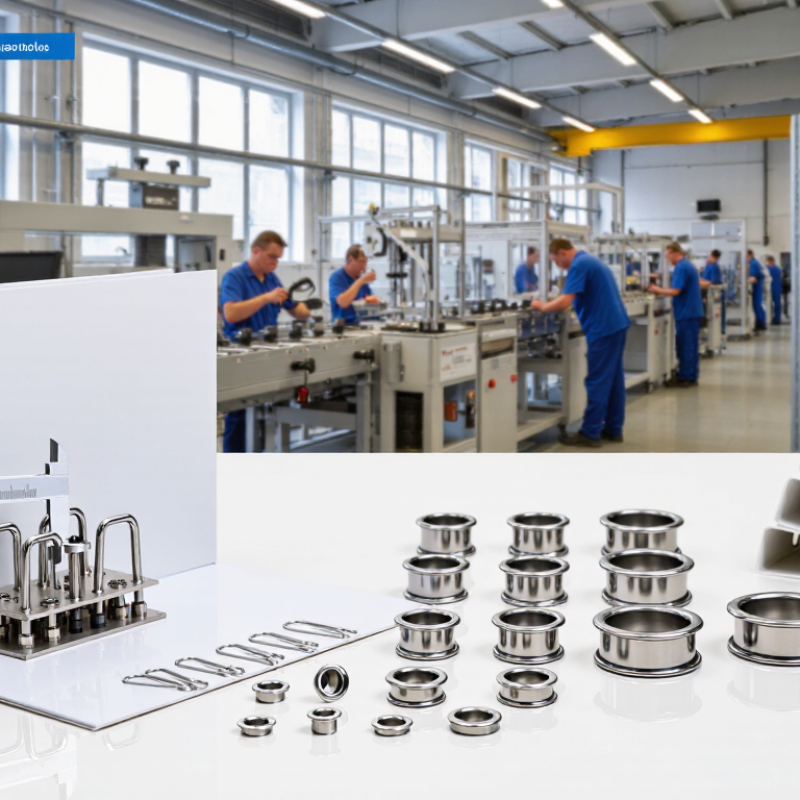
Table of Contents [Hide]
What Is a Stationery Hardware Manufacturer?
A stationery hardware manufacturer produces the small metal and plastic components that make stationery usable and durable. These parts include binder rings, clip mechanisms, eyelets, fasteners, corners, and document holders. The manufacturer normally manages material selection, tooling, stamping, forming, surface treatment, assembly, and quality inspection.
This role is more technical than it appears. A ring must open smoothly, align correctly, and survive repeated use. A clip needs stable pressure without damaging paper.
Grand View Research estimates that the global stationery products market reached about 90.6 billion US dollars in 2023. The report also projects continued growth through 2030. This demand increases the need for consistent hardware and reliable production control.
In practical sourcing, inspect samples before discussing large orders. Check dimensions, coating adhesion, spring strength, burrs, and opening cycles. Ask for material specifications and inspection records. ISO-based quality systems can improve traceability, but certification alone proves little. A supplier may pass one inspection and still deliver uneven batches. That is an uncomfortable reality. Clear drawings and approval samples reduce that risk.
Tips: Request a pre-production sample. Test it on real paper. Measure repeated use, not just appearance. Allow room for honest corrections.





