


- Home
- A-Z Catalogue
- Products
- Valves
- Cetop
- Manual Directional Valves
- Proportional Valves
- Poppet Valves
- High-Speed Linear Servo Valves
- All High-Speed Linear Servo Valves
- Cetop 10 (NG32) Two Stage Type High Speed Linear Servo Valves – LSVHG-10
- Cetop 10 (NG32) Two Stage Type High Speed Linear Servo Valves – LSVHG-10 (With Fail-Safe)
- Cetop 8 (NG25) Two Stage Type High Speed Linear Servo Valves – LSVHG-06
- Cetop 8 (NG25) Two Stage Type High Speed Linear Servo Valves – LSVHG-06 (With Fail-Safe)
- Cetop 7 (NG16) Two Stage Type High Speed Linear Servo Valves – LSVHG-04
- Cetop 7 (NG16) Two Stage Type High Speed Linear Servo Valves – LSVHG-04 (With Fail-Safe)
- Cetop 5 (NG10) Direct Type High Speed Linear Servo Valves – LSVG-03
- Cetop 5 (NG10) OBE Type Direct Operated Linear Servo Valves – LSVG-03-EH
- Cetop 3 (NG6) OBE Type Direct Operated Linear Servo Valves – LSVG-01-EH
- Pumps
- Pressure control
- Flow Control Valves
- Pressure Control Valves
- All Pressure Control Valves
- Brake Valves
- Direct Relief Valve
- Low Noise Solenoid Controlled Relief Valves
- Low Noise Pilot Operated Relief Valves
- Pilot Operated Relief Valves
- Pressure reducing and relieving valves
- Pressure reducing and check valves
- Pressure control valves
- Remote Control Relief Valves
- Solenoid Controlled Relief Valves – BSG
- Solenoid Controlled Relief Valves – BST
- Unloading relief valves
- Check valves
- Environmental
- Valves
- Hydraulic Systems
- Power pack
- About Us
- Contact
- Blog

What Is a Lifted Golf Cart?
A Lifted Golf cart sits higher than a standard model because its suspension, frame, or both have been modified. Larger tires often complete the setup. The result is easy to spot: more space beneath the chassis, a taller seat, and a wider view over uneven ground. Lifted Golf builds may suit private paths, campsites, and rougher recreational terrain. But added height does not automatically mean better performance.
The broader market is growing. Grand View Research valued the global golf cart market at about $2.14 billion in 2023; that figure covers golf carts generally, not lifted models alone. The National Golf Foundation reported 26.6 million on-course golfers in the United States in 2023, a useful sign of golf’s reach, but not a direct measure of lifted-cart demand. Details matter. A lift can change handling, braking feel, and the cart’s center of gravity. Bigger tires may also affect range and acceleration. One rough patch tells you little.
A reliable explanation should separate manufacturer specifications from owner impressions. I can’t verify a named Lifted Golf specialist’s published statement from the information provided, so I won’t invent a quotation. That restraint matters. Before choosing a lifted cart, check its lift type, tire size, intended terrain, and service guidance. The right setup depends on where—and how—you plan to drive.
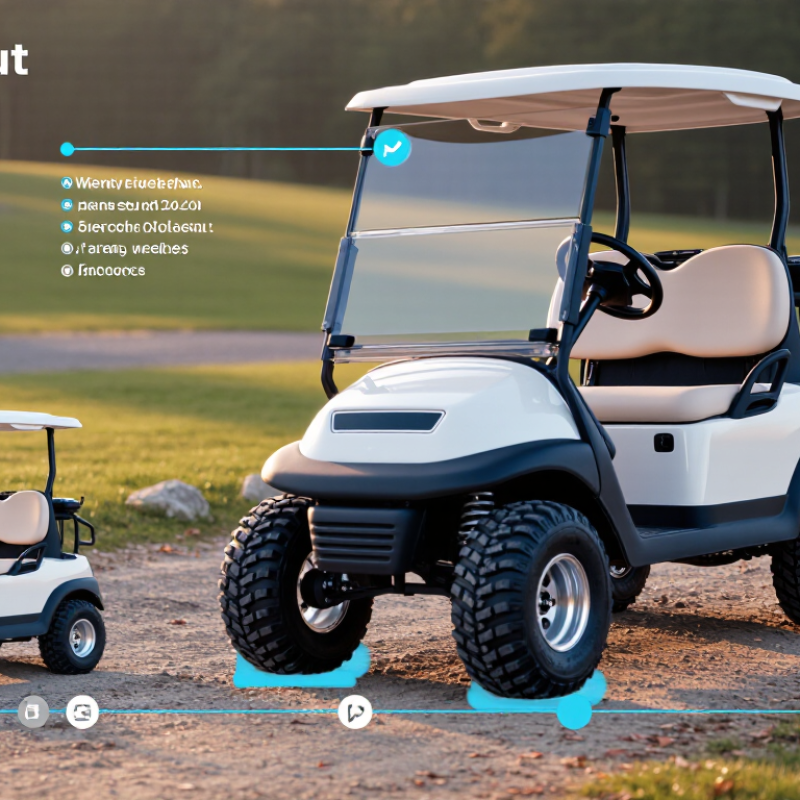
Table of Contents [Hide]
What Defines a Lifted Golf Cart?
What Is a Lifted Golf Cart?
What Defines a Lifted Golf Cart?
A lifted golf cart has increased ground clearance, usually through modified suspension or axle components and taller tires. The change raises the chassis above the ground; it does not simply mean fitting larger wheels. You may notice more space beneath the frame and a higher step into the seat. Some owners choose this setup for uneven paths, grass, or gravel. But “lifted” describes a modification, not a standardized vehicle class.
The details matter. A suspension lift changes ride height and may affect handling, braking, and stability, especially on slopes or during sharp turns. Taller tires can also alter gearing and speedometer accuracy. As a useful safety distinction, NHTSA’s Federal Motor Vehicle Safety Standard No. 500 defines low-speed vehicles by specific criteria, including a maximum speed of 25 mph and a gross vehicle weight rating under 3,000 pounds. A lift kit alone does not make a golf cart a compliant low-speed vehicle. Fitment and intended use should be checked carefully.
Tips: Check tire clearance at full steering lock, inspect suspension fasteners regularly, and ask a qualified technician to assess changes in handling. A cart that looks taller may feel less predictable. That deserves a second thought.





