



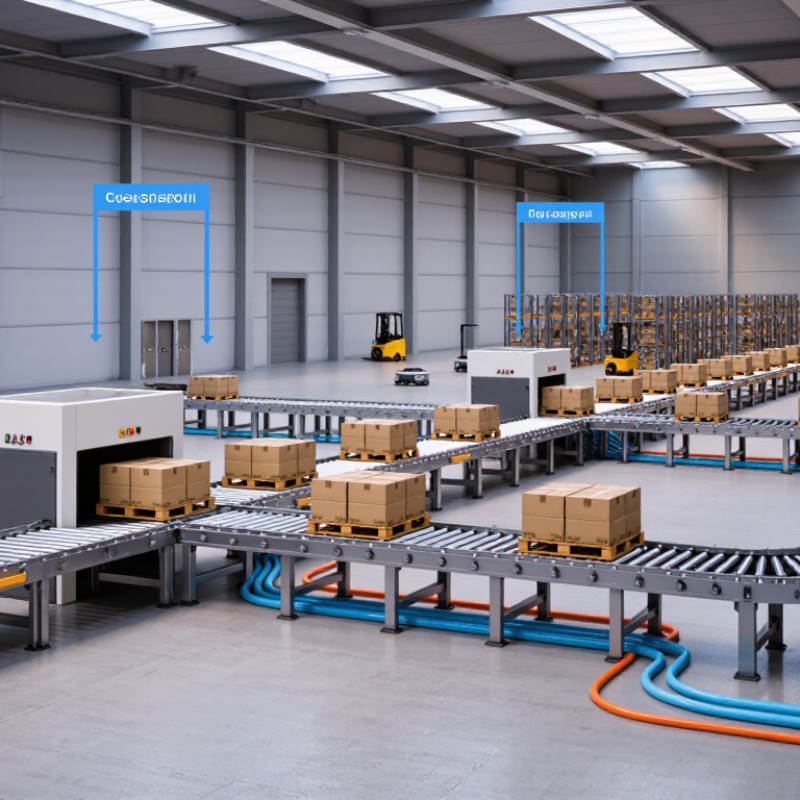
Selecting the right pallet conveyor manufacturer starts with your operating reality, not a glossy product catalogue. Measure pallet weight, dimensions, throughput, temperature, and floor conditions. A warehouse moving 300 pallets per hour needs different controls from a plant handling fragile loads.
Ask for evidence from similar installations. Request layout drawings, cycle-time data, maintenance records, and references you can contact. MHI’s 2024 Annual Industry Report reports that 55% of supply chain professionals expect to increase technology investment within two years. That investment should reduce bottlenecks, not create expensive complexity.
Check engineering depth and service coverage. Can the manufacturer integrate scanners, warehouse software, safety sensors, and emergency stops? Can technicians reach your site quickly? The International Federation of Robotics recorded 553,052 industrial robot installations in 2022, showing how automation expectations are rising across factories and distribution centers. Your conveyor may need to communicate with more than one automated system.
Do not judge only by purchase price. Compare energy use, spare-part availability, training, warranty limits, and five-year maintenance costs. Ask how the system performs after dust, impact, and seasonal volume changes. Factory visits reveal details that sales presentations often miss. I would also test a loaded pallet during acceptance trials. Sometimes the “ideal” layout fails when real pallets arrive unevenly wrapped. Leave room for redesign. Forecasts are useful, but warehouses rarely behave perfectly.