


- Home
- A-Z Catalogue
- Products
- Valves
- Cetop
- Manual Directional Valves
- Proportional Valves
- Poppet Valves
- High-Speed Linear Servo Valves
- All High-Speed Linear Servo Valves
- Cetop 10 (NG32) Two Stage Type High Speed Linear Servo Valves – LSVHG-10
- Cetop 10 (NG32) Two Stage Type High Speed Linear Servo Valves – LSVHG-10 (With Fail-Safe)
- Cetop 8 (NG25) Two Stage Type High Speed Linear Servo Valves – LSVHG-06
- Cetop 8 (NG25) Two Stage Type High Speed Linear Servo Valves – LSVHG-06 (With Fail-Safe)
- Cetop 7 (NG16) Two Stage Type High Speed Linear Servo Valves – LSVHG-04
- Cetop 7 (NG16) Two Stage Type High Speed Linear Servo Valves – LSVHG-04 (With Fail-Safe)
- Cetop 5 (NG10) Direct Type High Speed Linear Servo Valves – LSVG-03
- Cetop 5 (NG10) OBE Type Direct Operated Linear Servo Valves – LSVG-03-EH
- Cetop 3 (NG6) OBE Type Direct Operated Linear Servo Valves – LSVG-01-EH
- Pumps
- Pressure control
- Flow Control Valves
- Pressure Control Valves
- All Pressure Control Valves
- Brake Valves
- Direct Relief Valve
- Low Noise Solenoid Controlled Relief Valves
- Low Noise Pilot Operated Relief Valves
- Pilot Operated Relief Valves
- Pressure reducing and relieving valves
- Pressure reducing and check valves
- Pressure control valves
- Remote Control Relief Valves
- Solenoid Controlled Relief Valves – BSG
- Solenoid Controlled Relief Valves – BST
- Unloading relief valves
- Check valves
- Environmental
- Valves
- Hydraulic Systems
- Power pack
- About Us
- Contact
- Blog

China Top Oxygen Generator Manufacturers and Suppliers?
Choosing a reliable Oxygen Generator supplier in China requires more than comparing prices. Buyers must assess output capacity, oxygen purity, operating pressure, energy use, and service support. These details matter in hospitals, laboratories, manufacturing plants, and remote facilities where interruptions can affect daily operations.
Professional guidance helps define the right questions. The World Health Organization’s 2020 technical guidance, Oxygen Sources and Distribution for COVID-19 Treatment Centres, outlines practical considerations for oxygen supply and distribution. UNICEF’s Oxygen System Planning Tool also supports facilities in estimating demand and evaluating system options. Neither resource ranks manufacturers, but both help buyers check whether a supplier’s equipment matches real operating needs. Ask for documented performance data, installation references, maintenance schedules, and clarity on spare-parts availability. Request evidence, not promises.
China’s supplier landscape includes manufacturers offering pressure swing adsorption systems, modular plants, and packaged solutions. Specifications can look similar on paper. They may not perform alike under local conditions, especially where temperatures, power quality, or demand fluctuate. A careful comparison should include factory testing, commissioning support, warranty terms, and the cost of routine maintenance. No supplier is perfect. Some catalog claims also deserve closer review. This guide introduces notable China Oxygen Generator manufacturers and suppliers, with attention to product scope, technical capability, and verifiable service information. Use it as a starting point, then confirm each detail directly with the manufacturer.
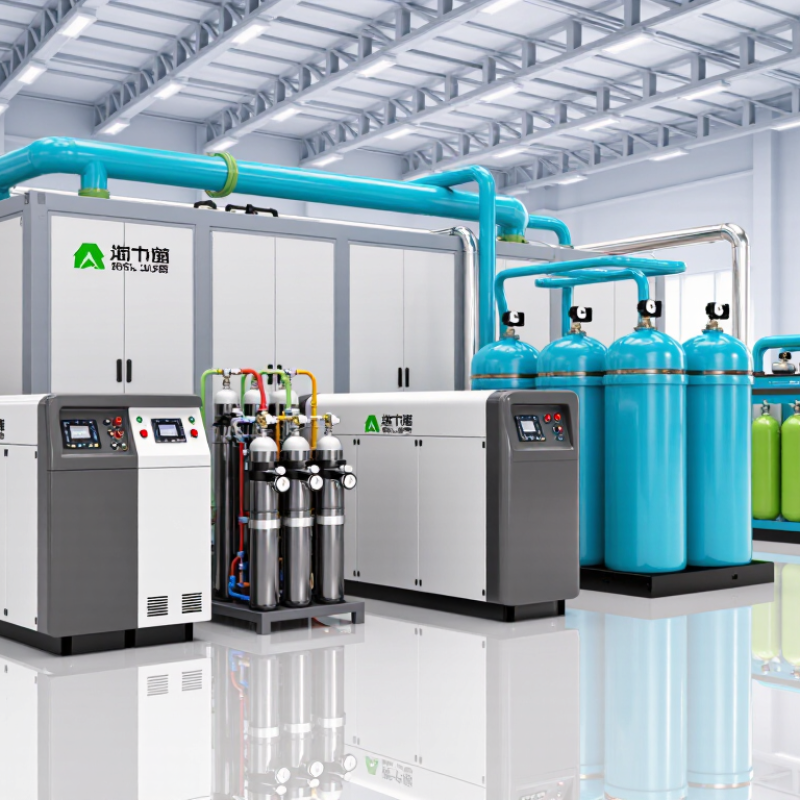
Table of Contents [Hide]
Understanding Oxygen Generators and Their Industrial Applications
Understanding Oxygen Generators and Their Industrial Applications
An oxygen generator separates oxygen from compressed air, rather than storing it in delivered cylinders. Many industrial systems use pressure swing adsorption, while membrane units suit some lower-purity needs. Output purity and flow rate depend on the technology and operating conditions. That distinction matters. Wastewater plants may use oxygen to support biological treatment, while glassmaking and metal processing can use it to improve combustion. Aquaculture facilities also use oxygen to maintain suitable water conditions. Each process has different demands.
Tips: Check required purity, peak flow, inlet-air quality, and operating hours before choosing a system. Ask how performance changes during maintenance or hot, humid weather. A specification sheet alone may not tell the whole story.
Sizing deserves careful attention. An undersized unit may struggle during production peaks; an oversized one can waste energy and capital. Compare the generator’s stated output with actual site measurements, and include compressors, dryers, filters, and ventilation in the assessment. Review monitoring and maintenance needs, too. Oxygen concentration can drift if equipment is neglected. The practical choice is not always the unit with the highest rated capacity. Process conditions change, and forecasts can be wrong. A site trial or engineering review may expose assumptions that looked fine on paper.





