


- Home
- A-Z Catalogue
- Products
- Valves
- Cetop
- Manual Directional Valves
- Proportional Valves
- Poppet Valves
- High-Speed Linear Servo Valves
- All High-Speed Linear Servo Valves
- Cetop 10 (NG32) Two Stage Type High Speed Linear Servo Valves – LSVHG-10
- Cetop 10 (NG32) Two Stage Type High Speed Linear Servo Valves – LSVHG-10 (With Fail-Safe)
- Cetop 8 (NG25) Two Stage Type High Speed Linear Servo Valves – LSVHG-06
- Cetop 8 (NG25) Two Stage Type High Speed Linear Servo Valves – LSVHG-06 (With Fail-Safe)
- Cetop 7 (NG16) Two Stage Type High Speed Linear Servo Valves – LSVHG-04
- Cetop 7 (NG16) Two Stage Type High Speed Linear Servo Valves – LSVHG-04 (With Fail-Safe)
- Cetop 5 (NG10) Direct Type High Speed Linear Servo Valves – LSVG-03
- Cetop 5 (NG10) OBE Type Direct Operated Linear Servo Valves – LSVG-03-EH
- Cetop 3 (NG6) OBE Type Direct Operated Linear Servo Valves – LSVG-01-EH
- Pumps
- Pressure control
- Flow Control Valves
- Pressure Control Valves
- All Pressure Control Valves
- Brake Valves
- Direct Relief Valve
- Low Noise Solenoid Controlled Relief Valves
- Low Noise Pilot Operated Relief Valves
- Pilot Operated Relief Valves
- Pressure reducing and relieving valves
- Pressure reducing and check valves
- Pressure control valves
- Remote Control Relief Valves
- Solenoid Controlled Relief Valves – BSG
- Solenoid Controlled Relief Valves – BST
- Unloading relief valves
- Check valves
- Environmental
- Valves
- Hydraulic Systems
- Power pack
- About Us
- Contact
- Blog

Top Mud Pump Piston Rod Manufacturers and Suppliers?
Choosing reliable Mud Pump Piston Rod manufacturers and suppliers requires more than comparing prices or browsing polished websites. These components operate inside demanding drilling systems, where reciprocating loads, abrasive fluids, and pressure changes test every surface. A weak rod can cause premature wear, unexpected maintenance, and costly downtime.
This guide examines suppliers through practical and technical criteria. We consider material quality, forging methods, heat treatment, dimensional accuracy, surface finishing, and compatibility with common mud pump models. Experienced manufacturers should explain their steel grades, hardness range, coating options, and inspection procedures clearly. They should also provide drawings, test reports, traceability records, and dependable replacement support.
Details matter.
A trustworthy supplier understands how piston rods perform in real operating conditions, not only in a catalog. Look for evidence from drilling contractors, repair workshops, and equipment distributors. Clear communication about lead times and tolerances also reveals manufacturing discipline. However, no ranking is perfect. A supplier may excel at custom production but struggle with urgent deliveries. Another may offer fast shipping while providing limited engineering guidance. This comparison therefore focuses on verifiable capabilities rather than exaggerated claims. Buyers should still confirm pump specifications, operating pressure, connection dimensions, and service conditions before ordering. The most suitable partner combines consistent quality, technical knowledge, responsive support, and transparent documentation. That balance protects equipment performance and supports safer, more predictable maintenance planning.
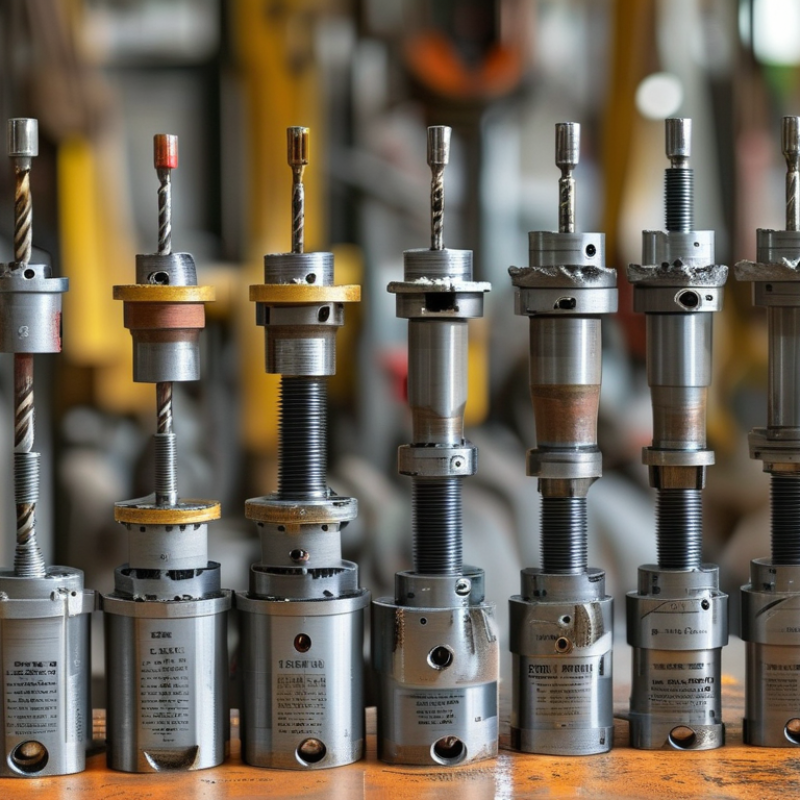
Table of Contents [Hide]
Mud Pump Piston Rods: Design, Materials, and Core Functions
Mud pump piston rods convert the crankshaft’s rotation into the piston’s repeated pressure stroke. Their surfaces also support dynamic seals inside the fluid end. Small defects can become expensive leaks, vibration, or unplanned downtime. They are not simple steel bars.
Common designs use forged alloy steel, often comparable to 4140 or 4340 grades. Heat treatment improves tensile strength and fatigue resistance. Chromium plating, thermal spray coatings, or nitriding can reduce wear from abrasive drilling fluids. However, coating choice must match seal material, temperature, and fluid chemistry. Harder is not always better. A brittle surface can fail suddenly.
The U.S. Energy Information Administration reported global liquid-fuels consumption near 103.8 million barrels per day in 2023. That operating scale keeps pressure on drilling equipment reliability. API Specification 7K provides widely used requirements for drilling and well-servicing equipment, including inspection and design considerations. Buyers should request material certificates, hardness records, dimensional reports, and full traceability from piston rod manufacturers and suppliers. Check the polished diameter carefully. Micron-level damage matters. Field experience also shows that poor alignment, contaminated oil, and improper torque can destroy a well-made rod. Supplier evaluations should therefore include machining control, non-destructive testing, replacement support, and documented quality systems. Reports help, but workshop evidence matters more.