


- Home
- A-Z Catalogue
- Products
- Valves
- Cetop
- Manual Directional Valves
- Proportional Valves
- Poppet Valves
- High-Speed Linear Servo Valves
- All High-Speed Linear Servo Valves
- Cetop 10 (NG32) Two Stage Type High Speed Linear Servo Valves – LSVHG-10
- Cetop 10 (NG32) Two Stage Type High Speed Linear Servo Valves – LSVHG-10 (With Fail-Safe)
- Cetop 8 (NG25) Two Stage Type High Speed Linear Servo Valves – LSVHG-06
- Cetop 8 (NG25) Two Stage Type High Speed Linear Servo Valves – LSVHG-06 (With Fail-Safe)
- Cetop 7 (NG16) Two Stage Type High Speed Linear Servo Valves – LSVHG-04
- Cetop 7 (NG16) Two Stage Type High Speed Linear Servo Valves – LSVHG-04 (With Fail-Safe)
- Cetop 5 (NG10) Direct Type High Speed Linear Servo Valves – LSVG-03
- Cetop 5 (NG10) OBE Type Direct Operated Linear Servo Valves – LSVG-03-EH
- Cetop 3 (NG6) OBE Type Direct Operated Linear Servo Valves – LSVG-01-EH
- Pumps
- Pressure control
- Flow Control Valves
- Pressure Control Valves
- All Pressure Control Valves
- Brake Valves
- Direct Relief Valve
- Low Noise Solenoid Controlled Relief Valves
- Low Noise Pilot Operated Relief Valves
- Pilot Operated Relief Valves
- Pressure reducing and relieving valves
- Pressure reducing and check valves
- Pressure control valves
- Remote Control Relief Valves
- Solenoid Controlled Relief Valves – BSG
- Solenoid Controlled Relief Valves – BST
- Unloading relief valves
- Check valves
- Environmental
- Valves
- Hydraulic Systems
- Power pack
- About Us
- Contact
- Blog

Top 10 Electrical Cabinet Manufacturers for Global Buyers
Choosing an Electrical Cabinet manufacturer is not just a price comparison. The right supplier can affect equipment protection, installation time, and long-term maintenance. A cabinet may look simple in a product photo, yet details matter: steel thickness, door seals, cable-entry options, and finish quality. Small differences show up on a busy factory floor.
Global buyers also need to examine what happens beyond the enclosure itself. Ask about material specifications, available customization, production capacity, and quality-control procedures. Check whether drawings, test information, and technical support are clear and accessible. Delivery schedules and communication deserve equal attention. A capable manufacturer should explain limitations, not just promise a perfect fit. That is not always easy to judge from a website.
This guide introduces ten Electrical Cabinet manufacturers serving international markets. It offers a starting point, not a universal ranking. Some suppliers may suit large infrastructure projects, while others may be better for standard industrial panels or smaller orders. Compare each company against your actual operating conditions, including indoor or outdoor use, dust exposure, and space constraints. A cabinet installed beside a washdown line faces different demands from one in a clean control room. There is no single best choice. Even a detailed shortlist can miss a local requirement, so verify current specifications and discuss your project directly with the manufacturer before making a decision.
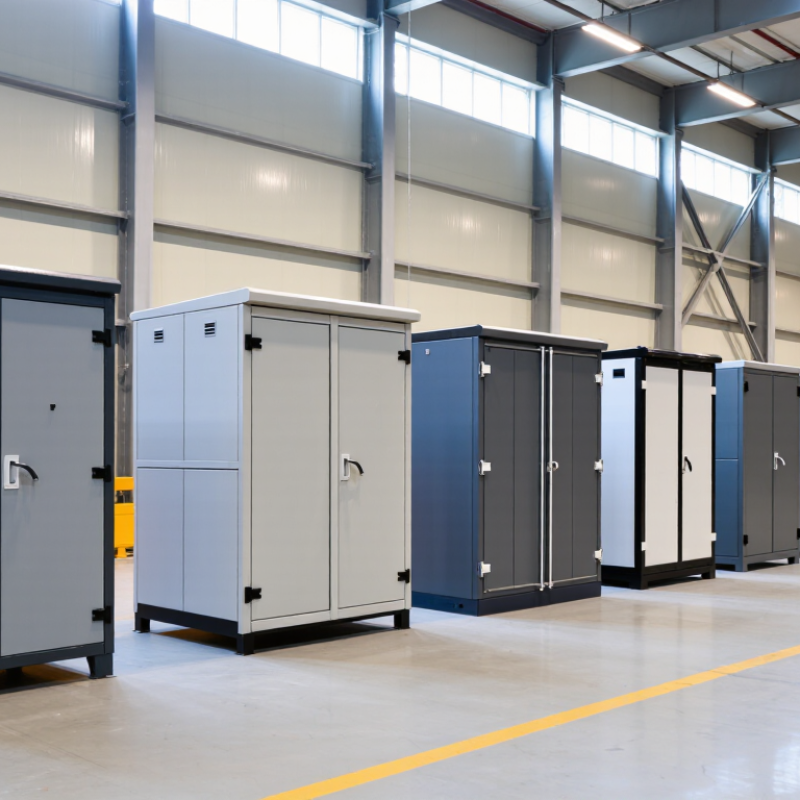
Table of Contents [Hide]
Electrical Cabinets: Purpose, Types, and Common Applications
An electrical cabinet houses and protects equipment such as circuit breakers, relays, power supplies, and control systems. Its enclosure helps limit exposure to dust, moisture, accidental contact, and physical impact. More importantly, it gives technicians an organized place to inspect connections and maintain equipment. A cabinet is not just a metal box. Poor layout can make routine servicing slower and increase the chance of wiring errors.
Common types include wall-mounted enclosures for compact control panels, floor-standing cabinets for larger systems, and modular designs that allow equipment sections to be added or rearranged. Materials and sealing levels should match the site: a dry indoor workshop has different needs from a washdown area or an outdoor installation. Even small details matter. A door that opens into a walkway, or a cable entry placed beneath a drip line, can create avoidable problems.
These cabinets are used in factories, commercial buildings, water-treatment facilities, energy systems, and transport infrastructure. They may control motors on a production line, distribute power across a building, or protect monitoring equipment near a pump station. Good selection depends on heat, vibration, available space, and access for maintenance. Specifications do not always capture the whole story; installation conditions can surprise even experienced teams. That is worth checking before the cabinet arrives.