- Home
- A-Z Catalogue
- Products
- Valves
- Cetop
- Manual Directional Valves
- Proportional Valves
- Poppet Valves
- High-Speed Linear Servo Valves
- All High-Speed Linear Servo Valves
- Cetop 10 (NG32) Two Stage Type High Speed Linear Servo Valves – LSVHG-10
- Cetop 10 (NG32) Two Stage Type High Speed Linear Servo Valves – LSVHG-10 (With Fail-Safe)
- Cetop 8 (NG25) Two Stage Type High Speed Linear Servo Valves – LSVHG-06
- Cetop 8 (NG25) Two Stage Type High Speed Linear Servo Valves – LSVHG-06 (With Fail-Safe)
- Cetop 7 (NG16) Two Stage Type High Speed Linear Servo Valves – LSVHG-04
- Cetop 7 (NG16) Two Stage Type High Speed Linear Servo Valves – LSVHG-04 (With Fail-Safe)
- Cetop 5 (NG10) Direct Type High Speed Linear Servo Valves – LSVG-03
- Cetop 5 (NG10) OBE Type Direct Operated Linear Servo Valves – LSVG-03-EH
- Cetop 3 (NG6) OBE Type Direct Operated Linear Servo Valves – LSVG-01-EH
- Pumps
- Pressure control
- Flow Control Valves
- Pressure Control Valves
- All Pressure Control Valves
- Brake Valves
- Direct Relief Valve
- Low Noise Solenoid Controlled Relief Valves
- Low Noise Pilot Operated Relief Valves
- Pilot Operated Relief Valves
- Pressure reducing and relieving valves
- Pressure reducing and check valves
- Pressure control valves
- Remote Control Relief Valves
- Solenoid Controlled Relief Valves – BSG
- Solenoid Controlled Relief Valves – BST
- Unloading relief valves
- Check valves
- Environmental
- Valves
- Hydraulic Systems
- Power pack
- About Us
- Contact
- Blog

Top Coffee Pot Lids Manufacturers in China
China’s coffeeware supply chain serves roasters, cafés, equipment brands, and household buyers. Coffee Pot Lids may look simple, but small design choices matter: a snug rim helps limit spills, while a clear viewing window lets users check the brew. Material, heat resistance, fit, and repeatable production also shape purchasing decisions. These details are easy to overlook. They are not minor.
Demand provides useful context, though it does not directly measure lid sales. The International Coffee Organization’s December 2023 Coffee Report and Outlook forecast global coffee consumption at 177 million 60-kilogram bags for 2023/24, up 2.2% year on year. This is a market forecast, not proof of demand for any specific lid design. That distinction matters. Buyers comparing manufacturers in China should therefore look beyond broad market growth and ask for practical evidence: material specifications, sample-fit checks, production tolerances, and documented quality controls. A lid that fits one pot may not fit another. It sounds obvious, yet product listings do not always make compatibility clear. This guide introduces leading Chinese manufacturers and the factors behind a more careful shortlist, while recognizing that supplier capabilities and product ranges can change.
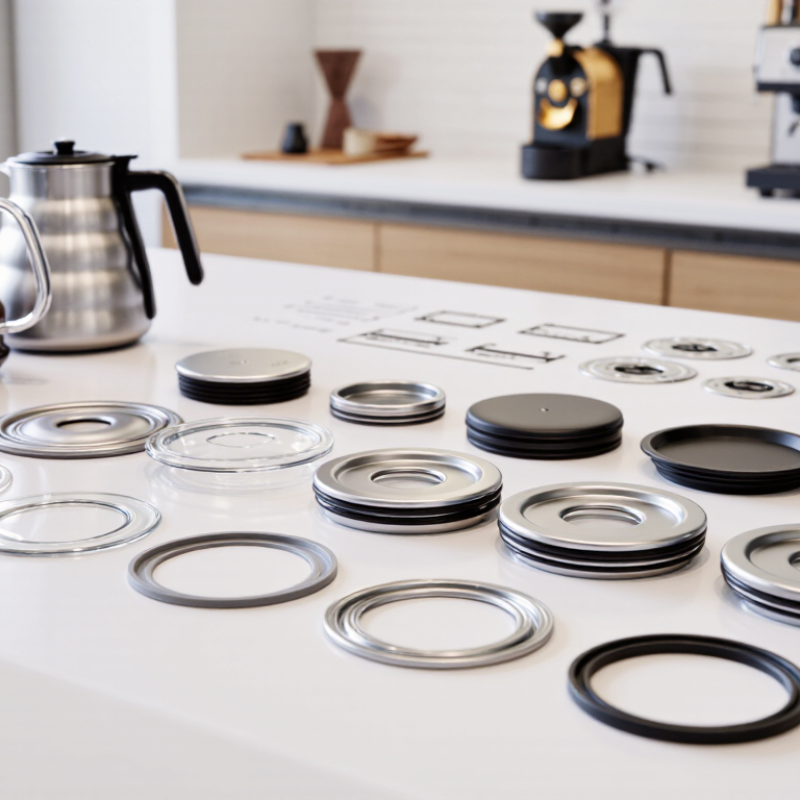
Table of Contents [Hide]
Coffee Pot Lids: Types, Materials, and Functions
Top Coffee Pot Lids Manufacturers in China
Coffee Pot Lids: Types, Materials, and Functions
Coffee pot lids come in several practical designs. A hinged lid stays attached during pouring, while a removable lid makes filling and cleaning easier. Some models use a small vent to release steam; others have a close-fitting rim to help reduce heat loss and splashes. Small details matter. The lid should sit evenly, without wobbling, and open smoothly when the pot is hot. During product checks, inspect the hinge, rim, and any vent for rough edges or gaps. A lid that looks neat may still fit poorly.
Material affects weight, heat resistance, appearance, and care. Stainless steel is durable and resists everyday wear, but can become hot to touch. Heat-resistant plastics are lighter and allow more design options; their suitability depends on the intended temperature and use. Silicone may form a flexible rim or seal, helping the lid fit snugly. Glass offers a clear view of the contents, though it needs careful handling. Each material has trade-offs. A tight fit can limit spills, but the lid should not make pouring awkward or cleaning difficult. Check the lid alongside the pot, not alone. That is easy to overlook.