


- Home
- A-Z Catalogue
- Products
- Valves
- Cetop
- Manual Directional Valves
- Proportional Valves
- Poppet Valves
- High-Speed Linear Servo Valves
- All High-Speed Linear Servo Valves
- Cetop 10 (NG32) Two Stage Type High Speed Linear Servo Valves – LSVHG-10
- Cetop 10 (NG32) Two Stage Type High Speed Linear Servo Valves – LSVHG-10 (With Fail-Safe)
- Cetop 8 (NG25) Two Stage Type High Speed Linear Servo Valves – LSVHG-06
- Cetop 8 (NG25) Two Stage Type High Speed Linear Servo Valves – LSVHG-06 (With Fail-Safe)
- Cetop 7 (NG16) Two Stage Type High Speed Linear Servo Valves – LSVHG-04
- Cetop 7 (NG16) Two Stage Type High Speed Linear Servo Valves – LSVHG-04 (With Fail-Safe)
- Cetop 5 (NG10) Direct Type High Speed Linear Servo Valves – LSVG-03
- Cetop 5 (NG10) OBE Type Direct Operated Linear Servo Valves – LSVG-03-EH
- Cetop 3 (NG6) OBE Type Direct Operated Linear Servo Valves – LSVG-01-EH
- Pumps
- Pressure control
- Flow Control Valves
- Pressure Control Valves
- All Pressure Control Valves
- Brake Valves
- Direct Relief Valve
- Low Noise Solenoid Controlled Relief Valves
- Low Noise Pilot Operated Relief Valves
- Pilot Operated Relief Valves
- Pressure reducing and relieving valves
- Pressure reducing and check valves
- Pressure control valves
- Remote Control Relief Valves
- Solenoid Controlled Relief Valves – BSG
- Solenoid Controlled Relief Valves – BST
- Unloading relief valves
- Check valves
- Environmental
- Valves
- Hydraulic Systems
- Power pack
- About Us
- Contact
- Blog

China Best Turn Mill CNC Machine Manufacturers?
China’s turn-mill manufacturing sector has become a serious sourcing option for global precision manufacturers. The best suppliers combine turning, milling, live tooling, automation, and process control in one platform. A capable Turn-Mill Cnc Machine can reduce workholding changes, improve concentricity, and shorten production time for complex shafts, valves, medical parts, and aerospace components.
Market evidence supports this interest. Grand View Research estimated the global CNC machine tools market at approximately USD 81.9 billion in 2023, with continued growth expected through the decade. Gardner Intelligence’s World Machine Tool Survey also identifies China as one of the world’s largest machine-tool producers and consumers. However, reports often group turn-mill systems with broader CNC categories. Comparisons must therefore examine specifications, not just market size.
Professor Yusuf Altintas, a leading authority in machining automation, has stated, “The objective is to achieve high accuracy and productivity in machining.” That principle matters on the factory floor. A strong Chinese manufacturer should demonstrate thermal stability, spindle accuracy, multitasking performance, and repeatable inspection results. Look for machine testing data.
Supplier evaluation should include installation support, controller familiarity, spare-parts access, and verified customer references. Certifications help, but they do not replace cutting trials. Some impressive brochures remain vague about real cycle times. That is a warning.
This guide examines China’s leading manufacturers through engineering capability, application experience, reliability, and after-sales service. The ranking is not absolute. Your material, tolerance, batch size, and production region may change the best choice.
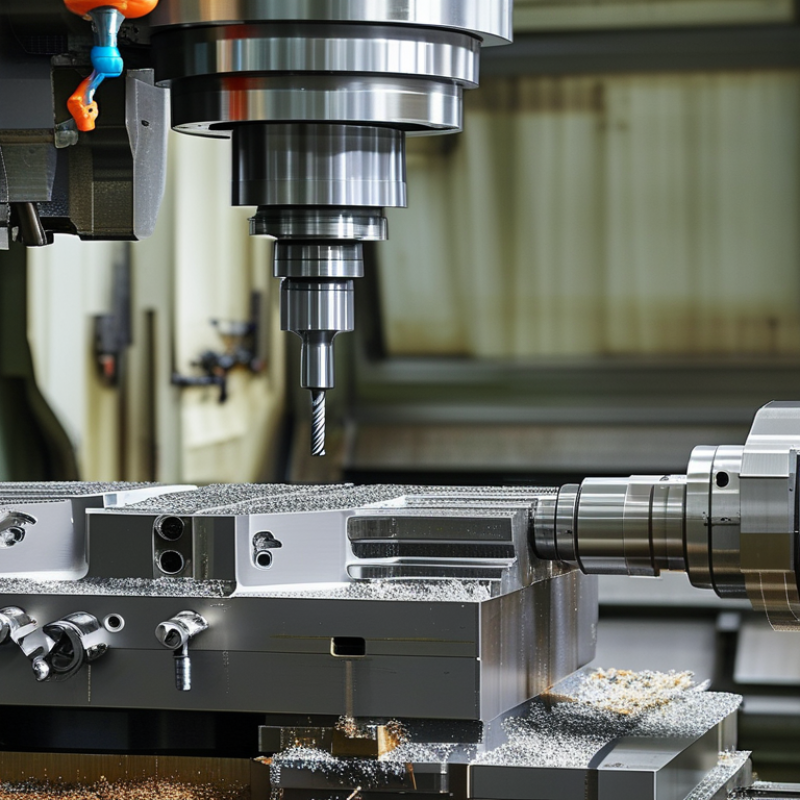
Table of Contents [Hide]
China’s Leading Turn-Mill CNC Machine Manufacturers
China’s leading turn-mill CNC machine manufacturers serve demanding industries with integrated turning and milling systems. These machines reduce workholding changes, improve alignment, and shorten production cycles. A typical system may combine a main spindle, live tooling, a sub-spindle, and automatic bar feeding. That combination matters when parts require several operations from one setup.
In production evaluations, I check machining accuracy, thermal stability, control usability, and service response. I also review sample parts, inspection records, and testing methods. A capable manufacturer should explain tolerance results clearly, not hide behind impressive specifications. Cutting tests are useful. However, one successful sample does not prove long-term reliability. Buyers should examine repeatability after extended operation, because heat can slowly affect dimensions. This point is sometimes overlooked.
Tips: Request a factory video, but verify the equipment in person when possible. Ask for spindle speed, motor power, axis travel, positioning accuracy, and recommended materials. Confirm whether technicians can provide installation training and remote support. Spare-part availability also deserves attention. A lower purchase price may become expensive when delivery delays stop production. It is wise to compare several quotations using the same technical requirements. Some specifications look excellent on paper. Real cutting performance may still disappoint. Trial machining exposes that gap. Check surface finish, chip control, cycle time, and tool wear before signing a long-term agreement.