


- Home
- A-Z Catalogue
- Products
- Valves
- Cetop
- Manual Directional Valves
- Proportional Valves
- Poppet Valves
- High-Speed Linear Servo Valves
- All High-Speed Linear Servo Valves
- Cetop 10 (NG32) Two Stage Type High Speed Linear Servo Valves – LSVHG-10
- Cetop 10 (NG32) Two Stage Type High Speed Linear Servo Valves – LSVHG-10 (With Fail-Safe)
- Cetop 8 (NG25) Two Stage Type High Speed Linear Servo Valves – LSVHG-06
- Cetop 8 (NG25) Two Stage Type High Speed Linear Servo Valves – LSVHG-06 (With Fail-Safe)
- Cetop 7 (NG16) Two Stage Type High Speed Linear Servo Valves – LSVHG-04
- Cetop 7 (NG16) Two Stage Type High Speed Linear Servo Valves – LSVHG-04 (With Fail-Safe)
- Cetop 5 (NG10) Direct Type High Speed Linear Servo Valves – LSVG-03
- Cetop 5 (NG10) OBE Type Direct Operated Linear Servo Valves – LSVG-03-EH
- Cetop 3 (NG6) OBE Type Direct Operated Linear Servo Valves – LSVG-01-EH
- Pumps
- Pressure control
- Flow Control Valves
- Pressure Control Valves
- All Pressure Control Valves
- Brake Valves
- Direct Relief Valve
- Low Noise Solenoid Controlled Relief Valves
- Low Noise Pilot Operated Relief Valves
- Pilot Operated Relief Valves
- Pressure reducing and relieving valves
- Pressure reducing and check valves
- Pressure control valves
- Remote Control Relief Valves
- Solenoid Controlled Relief Valves – BSG
- Solenoid Controlled Relief Valves – BST
- Unloading relief valves
- Check valves
- Environmental
- Valves
- Hydraulic Systems
- Power pack
- About Us
- Contact
- Blog

Top 10 Benefits of Ceramic Bearing Ball for Global Buyers?
In today’s industrial landscape, ceramic bearing balls are gaining traction among global buyers. Their unique properties make them an appealing choice for various applications. Many industries are recognizing the significant advantages of ceramic bearing balls, which can enhance performance and efficiency.
The durability of ceramic bearing balls stands out. They are resistant to wear and corrosion, making them ideal for harsh environments. This resistance means fewer replacements are needed, which can save costs over time. Additionally, their lightweight nature allows for faster motion, enhancing the overall machinery efficiency. However, some buyers may find the initial investment higher compared to traditional materials.
Understanding the true benefits requires careful consideration. While ceramic bearing balls offer immense advantages, they may not be suitable for every application. Not all users are aware of their full potential. It is essential to assess specific needs before making a choice. Ceramic bearing balls can revolutionize processes, but only when used appropriately in the right contexts.
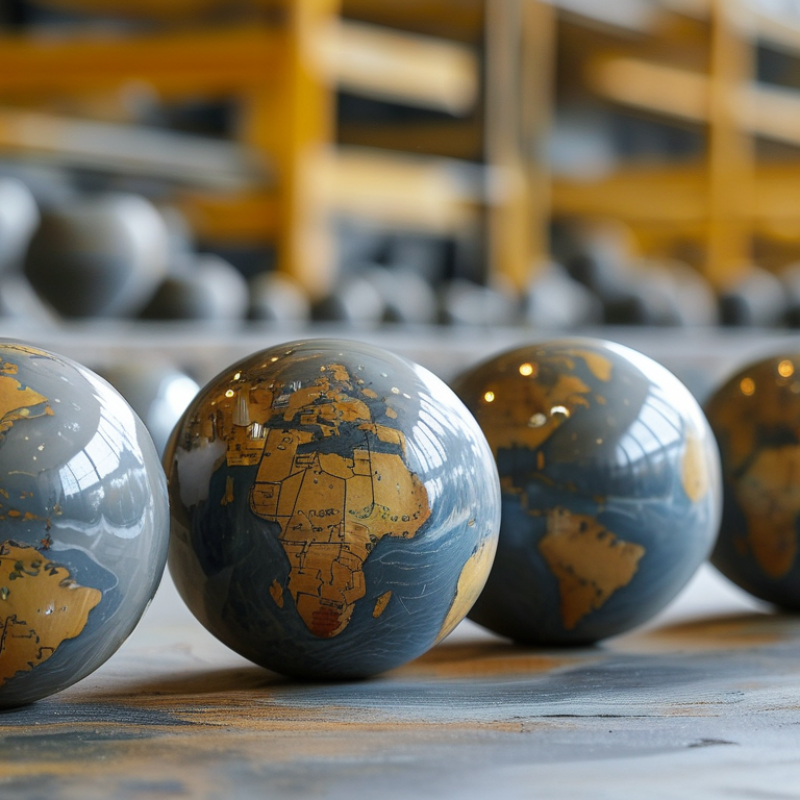
Table of Contents [Hide]
Understanding Ceramic Bearings: Definition and Types
Ceramic bearings are gaining popularity due to their unique properties. They consist of ceramic balls and steel rings, providing less friction than traditional steel bearings. This results in smoother operations and prolonged equipment life. Ceramic materials are more resistant to corrosion and extreme temperatures. They are ideal for environments where metal bearings would fail.
There are two main types of ceramic bearings: full ceramic and hybrid. Full ceramic bearings use ceramic for both the balls and the rings. They are suitable for harsh conditions but can be brittle. Hybrid bearings combine ceramic balls and steel rings. This combination offers a balance of strength and performance.
Choosing the right type depends on the application. Buyers need to consider factors like load, speed, and environmental conditions. Miscalculating these factors could lead to premature failure. The advantages are significant, yet potential downsides exist. It's important to weigh all options carefully. Doing so ensures the best outcome for specific needs.