


- Home
- A-Z Catalogue
- Products
- Valves
- Cetop
- Manual Directional Valves
- Proportional Valves
- Poppet Valves
- High-Speed Linear Servo Valves
- All High-Speed Linear Servo Valves
- Cetop 10 (NG32) Two Stage Type High Speed Linear Servo Valves – LSVHG-10
- Cetop 10 (NG32) Two Stage Type High Speed Linear Servo Valves – LSVHG-10 (With Fail-Safe)
- Cetop 8 (NG25) Two Stage Type High Speed Linear Servo Valves – LSVHG-06
- Cetop 8 (NG25) Two Stage Type High Speed Linear Servo Valves – LSVHG-06 (With Fail-Safe)
- Cetop 7 (NG16) Two Stage Type High Speed Linear Servo Valves – LSVHG-04
- Cetop 7 (NG16) Two Stage Type High Speed Linear Servo Valves – LSVHG-04 (With Fail-Safe)
- Cetop 5 (NG10) Direct Type High Speed Linear Servo Valves – LSVG-03
- Cetop 5 (NG10) OBE Type Direct Operated Linear Servo Valves – LSVG-03-EH
- Cetop 3 (NG6) OBE Type Direct Operated Linear Servo Valves – LSVG-01-EH
- Pumps
- Pressure control
- Flow Control Valves
- Pressure Control Valves
- All Pressure Control Valves
- Brake Valves
- Direct Relief Valve
- Low Noise Solenoid Controlled Relief Valves
- Low Noise Pilot Operated Relief Valves
- Pilot Operated Relief Valves
- Pressure reducing and relieving valves
- Pressure reducing and check valves
- Pressure control valves
- Remote Control Relief Valves
- Solenoid Controlled Relief Valves – BSG
- Solenoid Controlled Relief Valves – BST
- Unloading relief valves
- Check valves
- Environmental
- Valves
- Hydraulic Systems
- Power pack
- About Us
- Contact
- Blog

What Are the Top 10 Portable Multi Gas Detectors?
Choosing the right Portable Multi Gas Detector is not simply a matter of counting sensors. Real workplaces contain moisture, dust, vibration, temperature changes, and confusing alarms. A detector that performs well in a laboratory may respond differently inside a tank, utility vault, refinery area, or wastewater facility.
Justin McElhattan, former president and CEO of Industrial Scientific, has stated, “Every worker deserves to go home safely.” That principle gives this comparison its purpose. The best instruments should help workers identify oxygen deficiency, toxic gases, and combustible atmospheres before conditions become dangerous. They should also provide clear readings, dependable alarms, durable housings, and practical battery performance.
This guide examines ten leading Portable Multi Gas Detector options through an experience-based lens. It considers sensor combinations, alarm visibility, calibration procedures, data logging, ingress protection, comfort, and service support. Field usability matters. A detector with excellent specifications can still disappoint when gloves make its buttons difficult to press.
No single model fits every crew. That is the uncomfortable truth. Some units favor compact design, while others prioritize advanced connectivity or longer operating time. Price can also hide ownership costs, including sensor replacement and calibration equipment. The following selection is therefore not an absolute ranking. It is a practical starting point for safety managers, maintenance teams, and trained gas-testing professionals who need evidence before making a purchase. Always verify specifications against the manufacturer’s current documentation and your site’s risk assessment.
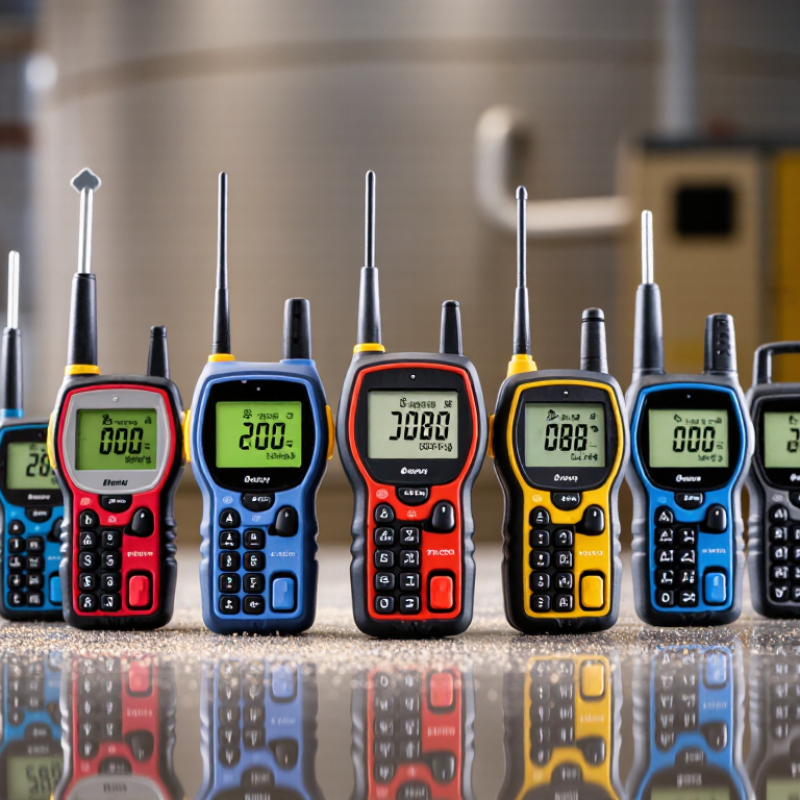
Table of Contents [Hide]
What Are Portable Multi-Gas Detectors and How Do They Work?
Portable Multi-Gas Detectors are compact instruments that monitor several atmospheric hazards at once. They commonly measure oxygen, combustible gases, and toxic gases such as carbon monoxide or hydrogen sulfide. Workers may wear one near the chest, where it can sample air close to the breathing zone.
Most models use separate sensors inside a protective housing. Gas enters through diffusion openings, or through a small pump and sampling hose. Each sensor reacts differently to a target gas. The detector converts that reaction into an electrical signal, then shows the concentration on a screen. If a reading reaches a configured limit, the unit may produce sound, vibration, and flashing lights.
The technology seems simple. It is not always simple.
A low oxygen reading can indicate serious danger, while combustible-gas measurements may be displayed as a percentage of the lower explosive limit. Alarm settings must match the work environment and site procedures. Before use, trained personnel should inspect the housing, check the battery, and perform a response test with certified test gas. Calibration also matters, especially after harsh exposure, sensor replacement, or long storage.
Real conditions can challenge accuracy. High humidity, temperature changes, blocked inlets, and interfering chemicals may affect readings. A normal display does not prove that every area is safe. Operators should allow enough sampling time, keep the device maintained, and question results that seem inconsistent. Small oversights happen. They deserve attention.





