- Home
- A-Z Catalogue
- Products
- Valves
- Cetop
- Manual Directional Valves
- Proportional Valves
- Poppet Valves
- High-Speed Linear Servo Valves
- All High-Speed Linear Servo Valves
- Cetop 10 (NG32) Two Stage Type High Speed Linear Servo Valves – LSVHG-10
- Cetop 10 (NG32) Two Stage Type High Speed Linear Servo Valves – LSVHG-10 (With Fail-Safe)
- Cetop 8 (NG25) Two Stage Type High Speed Linear Servo Valves – LSVHG-06
- Cetop 8 (NG25) Two Stage Type High Speed Linear Servo Valves – LSVHG-06 (With Fail-Safe)
- Cetop 7 (NG16) Two Stage Type High Speed Linear Servo Valves – LSVHG-04
- Cetop 7 (NG16) Two Stage Type High Speed Linear Servo Valves – LSVHG-04 (With Fail-Safe)
- Cetop 5 (NG10) Direct Type High Speed Linear Servo Valves – LSVG-03
- Cetop 5 (NG10) OBE Type Direct Operated Linear Servo Valves – LSVG-03-EH
- Cetop 3 (NG6) OBE Type Direct Operated Linear Servo Valves – LSVG-01-EH
- Pumps
- Pressure control
- Flow Control Valves
- Pressure Control Valves
- All Pressure Control Valves
- Brake Valves
- Direct Relief Valve
- Low Noise Solenoid Controlled Relief Valves
- Low Noise Pilot Operated Relief Valves
- Pilot Operated Relief Valves
- Pressure reducing and relieving valves
- Pressure reducing and check valves
- Pressure control valves
- Remote Control Relief Valves
- Solenoid Controlled Relief Valves – BSG
- Solenoid Controlled Relief Valves – BST
- Unloading relief valves
- Check valves
- Environmental
- Valves
- Hydraulic Systems
- Power pack
- About Us
- Contact
- Blog

Who Are the Top 10 Galvanized Wire Manufacturers in China?
China is an important source of galvanized wire for buyers in construction, agriculture, fencing, and manufacturing. Yet choosing a supplier involves more than comparing prices. Wire that looks similar on a product page can differ in zinc coating, tensile strength, diameter tolerance, and performance in damp or outdoor conditions.
This guide introduces ten Chinese manufacturers and outlines what buyers may want to check before requesting a quotation. A capable Galvanized Wire Manufacturer should provide clear product specifications, consistent production, and practical answers about packaging and delivery. Look for details such as wire gauge, coating weight, coil size, surface finish, and available test documents. A sample coil can also reveal how evenly the wire unwinds and whether its coating appears uniform.
Small details matter.
The companies in this list are presented as potential suppliers, not as a universal ranking for every project. Production capacity, export experience, customization, and communication can help distinguish one factory from another, but requirements vary by application and destination. A fencing contractor may prioritize long coils and corrosion resistance, while a mesh producer may need tight diameter tolerances and reliable repeat orders. No single checklist guarantees a good purchase. Buyers should verify current specifications, request relevant quality records, and confirm sample performance before placing a large order. Those checks take time, admittedly, but they can prevent avoidable surprises later.
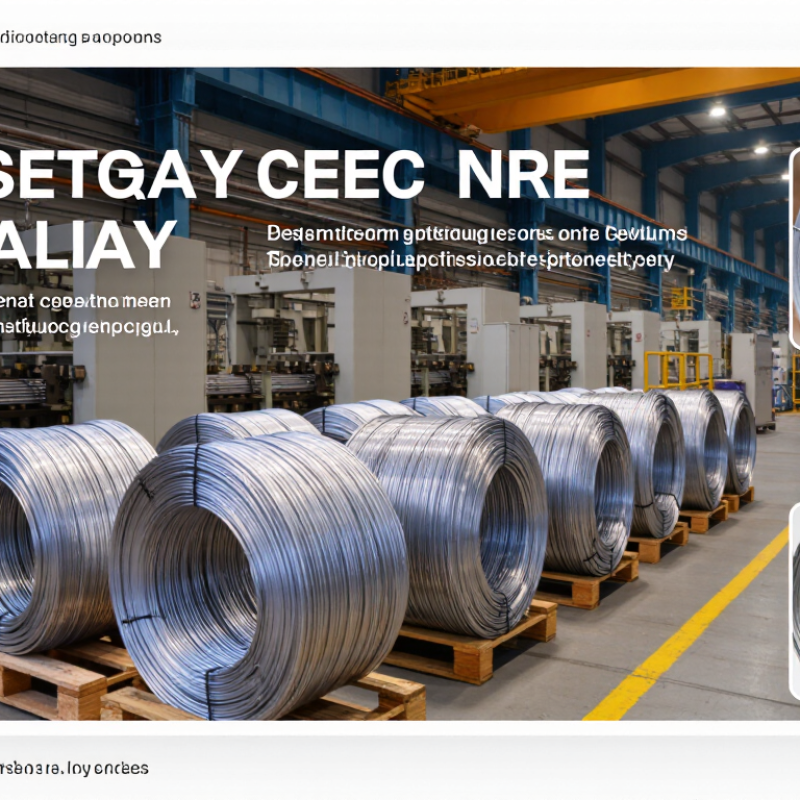
Table of Contents [Hide]
What Is Galvanized Wire and How Is It Classified?
Galvanized wire is steel wire protected by a zinc coating, which slows rust when moisture reaches the surface. It is commonly classified by coating process, zinc coating mass, wire diameter, tensile strength, and steel grade. Continuous hot-dip galvanizing passes wire through molten zinc, leaving a visible metallic finish; electro-galvanizing applies zinc electrically and often produces a smoother, thinner layer. Neither method alone guarantees service life. Exposure, scratches, and coating thickness matter.
Standards help make specifications comparable. ASTM A641/A641M covers zinc-coated carbon steel wire, while EN 10244-2 specifies non-ferrous metallic coatings on steel wire. Buyers should check coating class or mass, diameter tolerance, and tensile requirements, not just the word “galvanized.” The labels can mislead. The World Steel Association’s World Steel in Figures 2025 reports 1,882.6 million tonnes of global crude steel production in 2024, while the USGS Mineral Commodity Summaries 2025 estimates world zinc mine production at 12 million tonnes. These figures describe the material supply context, not galvanized-wire output. That distinction matters when comparing supplier claims.