


- Home
- A-Z Catalogue
- Products
- Valves
- Cetop
- Manual Directional Valves
- Proportional Valves
- Poppet Valves
- High-Speed Linear Servo Valves
- All High-Speed Linear Servo Valves
- Cetop 10 (NG32) Two Stage Type High Speed Linear Servo Valves – LSVHG-10
- Cetop 10 (NG32) Two Stage Type High Speed Linear Servo Valves – LSVHG-10 (With Fail-Safe)
- Cetop 8 (NG25) Two Stage Type High Speed Linear Servo Valves – LSVHG-06
- Cetop 8 (NG25) Two Stage Type High Speed Linear Servo Valves – LSVHG-06 (With Fail-Safe)
- Cetop 7 (NG16) Two Stage Type High Speed Linear Servo Valves – LSVHG-04
- Cetop 7 (NG16) Two Stage Type High Speed Linear Servo Valves – LSVHG-04 (With Fail-Safe)
- Cetop 5 (NG10) Direct Type High Speed Linear Servo Valves – LSVG-03
- Cetop 5 (NG10) OBE Type Direct Operated Linear Servo Valves – LSVG-03-EH
- Cetop 3 (NG6) OBE Type Direct Operated Linear Servo Valves – LSVG-01-EH
- Pumps
- Pressure control
- Flow Control Valves
- Pressure Control Valves
- All Pressure Control Valves
- Brake Valves
- Direct Relief Valve
- Low Noise Solenoid Controlled Relief Valves
- Low Noise Pilot Operated Relief Valves
- Pilot Operated Relief Valves
- Pressure reducing and relieving valves
- Pressure reducing and check valves
- Pressure control valves
- Remote Control Relief Valves
- Solenoid Controlled Relief Valves – BSG
- Solenoid Controlled Relief Valves – BST
- Unloading relief valves
- Check valves
- Environmental
- Valves
- Hydraulic Systems
- Power pack
- About Us
- Contact
- Blog

China Top 10 Silk Covered Litz Wire Manufacturers?
China’s silk covered litz wire manufacturers serve a specialized part of the electrical materials market. Their products combine multiple insulated strands with a silk or silk-like outer covering. The construction can support flexible winding and help manage high-frequency losses when designed for the intended operating conditions. It is not a universal solution. Strand count, wire diameter, insulation, and winding geometry all matter.
Demand for efficient power electronics provides useful context. The International Energy Agency’s Global EV Outlook 2024 projected more than 17 million electric car sales worldwide that year, exceeding one in five new cars sold. That figure signals growth in relevant applications, but it does not measure silk covered litz wire demand directly. Buyers should treat broader market reports as context, not proof of a supplier’s capability.
This guide compares ten China-based manufacturers using practical checks: product range, strand and covering options, customization, quality documentation, and export experience. Ask for samples and test data. Check details closely. A polished catalogue cannot confirm consistent twist, covering integrity, or performance at your frequency. Professor Charles R. Sullivan is a recognized researcher in high-frequency magnetics, but no source-verified quotation from him specifically about silk covered litz wire is available for this introduction. Rather than inventing one, the comparison focuses on verifiable specifications and supplier evidence. Even these checks have limits; published data may not reflect every production batch.
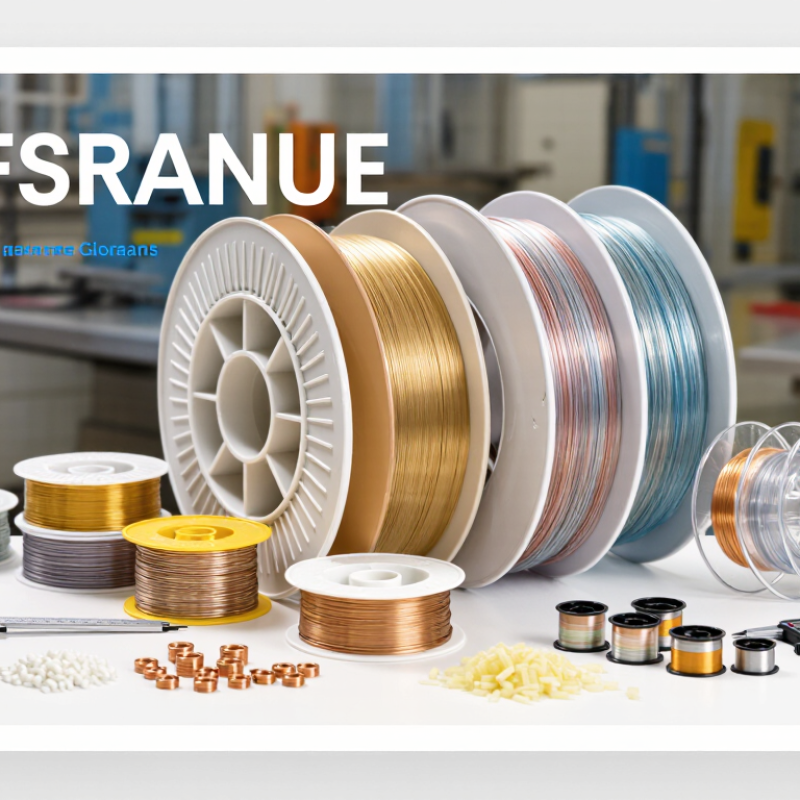
Table of Contents [Hide]
What Silk-Covered Litz Wire Is and How It Is Manufactured
Silk-covered litz wire is a bundle of fine copper strands, each insulated before the strands are twisted together. A textile serving, often silk, wraps the finished bundle. The enamel provides electrical insulation; the outer covering mainly helps protect strands and makes the wire easier to handle. Small details matter. Strand count, twist pitch, and covering tension all affect flexibility and finished dimensions.
Manufacturing starts with drawing copper to fine diameters, followed by annealing and applying strand insulation. The strands are then twisted in controlled patterns and served with textile yarn. Producers check dimensions, continuity, and electrical properties; IEC 60851 describes test methods for winding wires, while IEC 60317 specifies requirements for several enamelled-wire types. Copper has a reference conductivity of 100% IACS at 20°C, but finished-wire performance also depends on geometry and processing. The U.S. Department of Energy’s 2014 Motor Systems Market Assessment reports that motor-driven systems account for about 68% of U.S. manufacturing electricity use. That figure is not litz-specific, but it shows why reducing electrical losses matters. Litz construction can help limit high-frequency losses when strand size and operating frequency are matched. It is not magic. A poorly selected twist or damaged covering can undermine the design, and the right specification still depends on the actual application.





