Top 5 Tips for Choosing the Right Servo Valves?
When selecting servo valves, making informed choices is crucial. According to industry expert Dr. Emily Chen, “The right servo valve can significantly enhance system performance and efficiency.” Servo valves control fluid flow, impacting various applications, from robotics to aerospace engineering. Understanding key factors in choosing these components is essential for optimal functionality.
Choosing the right servo valves can be complex. One must consider specifications like flow rate, pressure ratings, and response times. Additionally, environmental conditions and compatibility with existing systems also play a role. Ignoring these details can lead to issues, affecting productivity and safety.
Ultimately, the right choice should align with specific application requirements. Realizing that no single solution fits all helps pave the way for a better fit. Engaging with reliable suppliers and reviewing technical documentation allows engineers to make well-rounded decisions in the servo valve selection process.
Understanding Servo Valves: Function and Importance
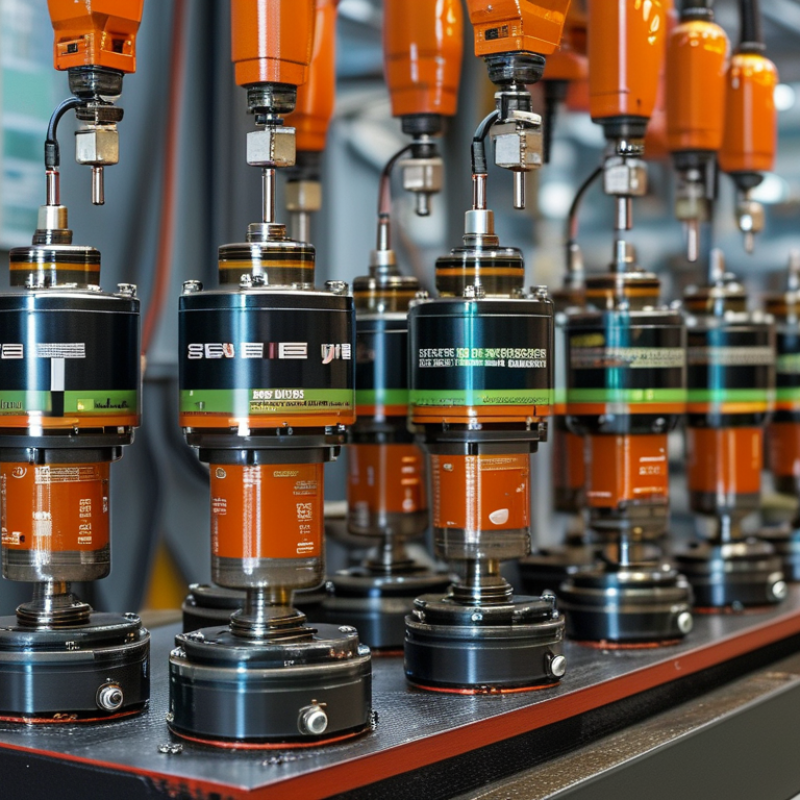
Servo valves play a critical role in fluid control systems, influencing performance and efficiency in various applications. They regulate the flow and pressure of hydraulic fluids, enabling precise movement in automated machines. According to industry reports, approximately 30% of system failures are linked to improper valve selection or maintenance. This highlights the importance of understanding their function and characteristics.
When selecting servo valves, consider their response time and accuracy. A valve with a faster response can significantly improve system performance. For instance, valves with an accuracy of ±1% can achieve better results in precision applications. Additionally, the materials used in valve construction affect durability and performance; choosing corrosion-resistant materials can prolong the lifespan of the valve in demanding environments.
Measuring the system's requirements is crucial. Many engineers overlook the impact of ambient temperature and fluid viscosity on valve performance. A mismatch can lead to inefficiencies or even system failure. In fact, proper matching can enhance efficiency by up to 20%, reducing energy consumption in the long term. Hence, careful evaluation of all operational parameters is essential for optimal performance.
Key Parameters to Consider When Choosing Servo Valves
When selecting servo valves, several key parameters significantly influence performance. Flow rate is crucial. It dictates how much fluid can move through the valve. A higher flow rate can enhance efficiency in high-demand systems. However, exceeding the required flow may lead to instability. Be careful with this aspect.
Another vital factor is pressure rating. This specifies the maximum pressure the valve can handle. A mismatch between the valve and system pressure can cause failures. Evaluate the operating environment. Factors such as temperature and fluid compatibility also matter. Using valves that resist corrosion can extend their lifespan.
Control accuracy plays a significant role too. A valve with higher precision provides better responsiveness. This is particularly important in applications requiring fine adjustments. Consider the size and weight of the valve for space-constrained setups. Sometimes, a small trade-off in flow might save significant space. Each choice reflects broader impacts. Therefore, making informed decisions about these parameters is essential.
Evaluating Compatibility with Existing Systems and Equipment
Choosing the right servo valves involves critical evaluation of compatibility with existing systems. In hydraulics, for instance, compatibility can influence the overall efficiency of machinery. A study from the International Journal of Fluid Power states that improper valve selection can lead to up to 25% energy loss in hydraulic systems. Ensuring that the new servo valve matches the specifications of your current equipment is essential for optimal performance.
Take into account parameters such as pressure ratings, flow rates, and response times. Mismatched components not only risk functionality but also safety. A recent report by the Fluid Power Society highlighted that 40% of system failures stem from incompatible components. Small discrepancies in design can lead to significant operational failures.
Additionally, consider the integration process with your existing setups. A seamless fit can reduce installation time and lower costs. However, if the new valves require extensive modifications, it could negate any savings from their purchase. Engaging with technical experts who specialize in servo systems can provide insights that prevent costly mistakes. Always prioritize reliability over initial cost, as long-term functionality greatly impacts productivity.
Assessing Performance Specifications and Ratings
Choosing the right servo valves requires careful consideration of performance specifications and ratings. Understanding these metrics ensures the valve meets application demands. Performance ratings often include parameters like flow rate, pressure drop, and response time. According to a recent industry report, precise flow control can enhance system efficiency by up to 30%. Thus, evaluating these specifications is crucial for optimizing performance.
When assessing servo valves, remember to check their flow rate capacity. A valve with a higher rating may handle larger loads but could introduce delays. Evaluate the pressure drop since excessive resistance can diminish system performance. The right balance is essential. Another key aspect is the response time. A swift-response valve can significantly improve system dynamics. Research suggests that optimizing these factors can lead to a 20% reduction in cycle times in hydraulic systems.
Consider the environment where the valve operates. Environmental factors may influence performance. Additionally, don’t overlook compatibility with existing systems. The best choice may seem ideal on paper but could lead to issues in the field. Always factor in real-world applications and potential discrepancies in specifications during your selection process.
Performance Specifications of Servo Valves
Determining Budget Constraints and Cost-Effectiveness
Choosing the right servo valves involves careful consideration of budget constraints and overall cost-effectiveness. According to industry reports, equipment purchase and maintenance costs represent about 25-30% of total operational budgets. For many organizations, this makes it crucial to weigh long-term savings against upfront expenses. High-quality servo valves may have a steeper initial cost but often result in reduced energy consumption and lower maintenance needs.
Performance metrics indicate that a well-chosen servo valve can enhance efficiency by 20% or more. This efficiency can translate to significant savings over time. On the other hand, overspending on features that your operation doesn't require can lead to wasted capital. Manufacturers often face challenges in determining the right balance between performance and cost.
Many users report that switching from cheaper, low-quality valves to higher-end alternatives improved system reliability and reduced downtime. Despite the clear benefits, selecting the right component remains complex. Each application is unique, and understanding the specific requirements of your operations is key. Evaluating total cost of ownership instead of just initial pricing can guide you toward a more informed decision.
Top 5 Tips for Choosing the Right Servo Valves
| Tip |
Details |
Cost-Effectiveness |
Budget Range (USD) |
| Identify Application Requirements |
Assess the specific needs for pressure, flow rate, and control precision. |
High precision valves can save costs in the long run by reducing wear. |
$200 - $1500 |
| Evaluate Manufacturer Reputation |
Choose manufacturers known for reliability and service support. |
Investing in a reputable manufacturer can prevent long-term operational costs. |
$500 - $3000 |
| Consider Location and Availability |
Check local availability and lead times for delivery of parts. |
Lower shipping costs and quicker access to replacements. |
$150 - $1000 |
| Analyze Technical Support Options |
Find out what support is available post-purchase, including troubleshooting. |
Good support can reduce costs associated with downtime. |
$100 - $500 |
| Review Warranty and Service Agreements |
Examine the warranty offered and any service options available. |
Extended warranties can be a cost-effective option for long-term assurance. |
$250 - $2000 |