


- Home
- A-Z Catalogue
- Products
- Valves
- Cetop
- Manual Directional Valves
- Proportional Valves
- Poppet Valves
- High-Speed Linear Servo Valves
- All High-Speed Linear Servo Valves
- Cetop 10 (NG32) Two Stage Type High Speed Linear Servo Valves – LSVHG-10
- Cetop 10 (NG32) Two Stage Type High Speed Linear Servo Valves – LSVHG-10 (With Fail-Safe)
- Cetop 8 (NG25) Two Stage Type High Speed Linear Servo Valves – LSVHG-06
- Cetop 8 (NG25) Two Stage Type High Speed Linear Servo Valves – LSVHG-06 (With Fail-Safe)
- Cetop 7 (NG16) Two Stage Type High Speed Linear Servo Valves – LSVHG-04
- Cetop 7 (NG16) Two Stage Type High Speed Linear Servo Valves – LSVHG-04 (With Fail-Safe)
- Cetop 5 (NG10) Direct Type High Speed Linear Servo Valves – LSVG-03
- Cetop 5 (NG10) OBE Type Direct Operated Linear Servo Valves – LSVG-03-EH
- Cetop 3 (NG6) OBE Type Direct Operated Linear Servo Valves – LSVG-01-EH
- Pumps
- Pressure control
- Flow Control Valves
- Pressure Control Valves
- All Pressure Control Valves
- Brake Valves
- Direct Relief Valve
- Low Noise Solenoid Controlled Relief Valves
- Low Noise Pilot Operated Relief Valves
- Pilot Operated Relief Valves
- Pressure reducing and relieving valves
- Pressure reducing and check valves
- Pressure control valves
- Remote Control Relief Valves
- Solenoid Controlled Relief Valves – BSG
- Solenoid Controlled Relief Valves – BST
- Unloading relief valves
- Check valves
- Environmental
- Valves
- Hydraulic Systems
- Power pack
- About Us
- Contact
- Blog

How to Source High Quality CNC Turned Components Effectively?
In the competitive landscape of manufacturing, sourcing high-quality Cnc Turned Components is crucial. Industry expert John Smith emphasizes, "Quality is not an accident; it's a result of intelligent effort." His insight highlights the need for a deliberate approach when selecting suppliers. Quality should be the priority, yet many overlook critical factors.
CNC turned components play a vital role in various industries, including automotive and aerospace. Ensuring precision and reliability in these components is non-negotiable. Experienced manufacturers know that not all suppliers are created equal. Some may promise excellence but fail to deliver. This inconsistency can lead to production delays and increased costs.
The quest for high-quality components must involve careful evaluation. Companies must consider material quality, production methods, and traceability. Engaging with knowledgeable suppliers can greatly enhance the sourcing process. Yet, companies often struggle with this selection. Reflecting on past experiences can illuminate paths towards better choices in supply chain management. As the industry evolves, maintaining high standards for CNC turned components is paramount.
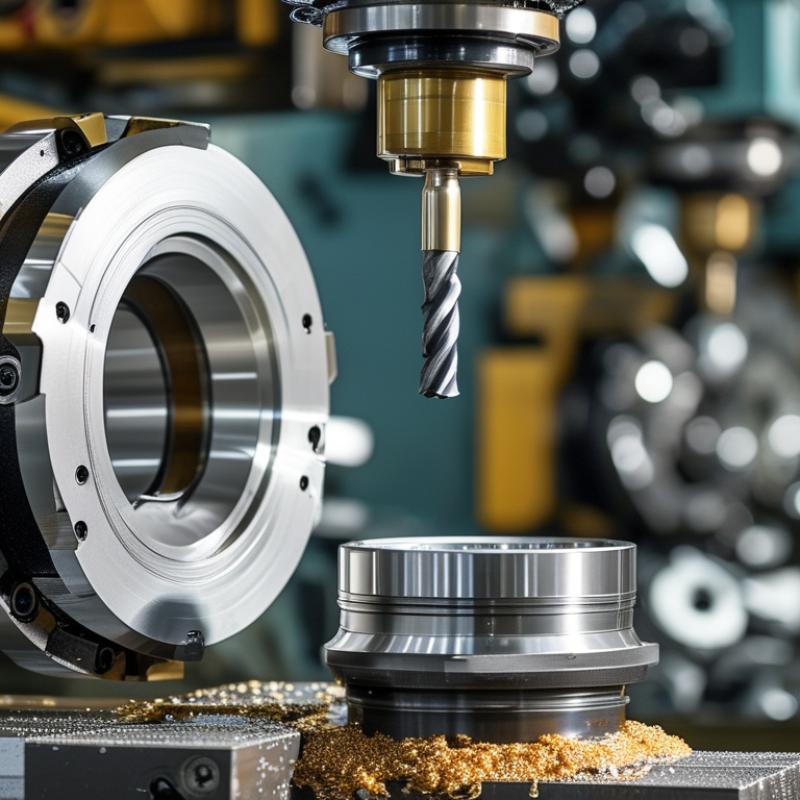
Table of Contents [Hide]
Understanding CNC Turning and Its Applications
CNC turning is a pivotal manufacturing process. It involves precise machining of materials into cylindrical shapes. This technique is widely used across various industries. Common applications include automotive, aerospace, and electronics. The accuracy of CNC turning enables the creation of intricate components with tight tolerances.
One essential aspect of CNC turning is understanding the various materials that can be used. Metals, plastics, and composites are frequently machined. Each material presents unique challenges. For instance, softer materials may deform during machining, while harder materials can wear down tools quickly. It requires a skilled operator to navigate these nuances effectively.
While CNC turning offers numerous benefits, it is not without its issues. Programming errors can lead to defects in the final product. These mistakes often go unnoticed until quality checks are performed. Regular training and experience can mitigate these problems. Understanding the technology deeply can enhance production efficiency and waste reduction. Emphasizing continuous improvement is crucial in this field.