


- Home
- A-Z Catalogue
- Products
- Valves
- Cetop
- Manual Directional Valves
- Proportional Valves
- Poppet Valves
- High-Speed Linear Servo Valves
- All High-Speed Linear Servo Valves
- Cetop 10 (NG32) Two Stage Type High Speed Linear Servo Valves – LSVHG-10
- Cetop 10 (NG32) Two Stage Type High Speed Linear Servo Valves – LSVHG-10 (With Fail-Safe)
- Cetop 8 (NG25) Two Stage Type High Speed Linear Servo Valves – LSVHG-06
- Cetop 8 (NG25) Two Stage Type High Speed Linear Servo Valves – LSVHG-06 (With Fail-Safe)
- Cetop 7 (NG16) Two Stage Type High Speed Linear Servo Valves – LSVHG-04
- Cetop 7 (NG16) Two Stage Type High Speed Linear Servo Valves – LSVHG-04 (With Fail-Safe)
- Cetop 5 (NG10) Direct Type High Speed Linear Servo Valves – LSVG-03
- Cetop 5 (NG10) OBE Type Direct Operated Linear Servo Valves – LSVG-03-EH
- Cetop 3 (NG6) OBE Type Direct Operated Linear Servo Valves – LSVG-01-EH
- Pumps
- Pressure control
- Flow Control Valves
- Pressure Control Valves
- All Pressure Control Valves
- Brake Valves
- Direct Relief Valve
- Low Noise Solenoid Controlled Relief Valves
- Low Noise Pilot Operated Relief Valves
- Pilot Operated Relief Valves
- Pressure reducing and relieving valves
- Pressure reducing and check valves
- Pressure control valves
- Remote Control Relief Valves
- Solenoid Controlled Relief Valves – BSG
- Solenoid Controlled Relief Valves – BST
- Unloading relief valves
- Check valves
- Environmental
- Valves
- Hydraulic Systems
- Power pack
- About Us
- Contact
- Blog

Top 10 Malatang Earnings Opportunities for Global Buyers
Malatang is no longer just a quick bowl assembled from skewers, broth, and a chosen spice level. Its mix-and-match format can support varied menus, flexible pricing, and compact service models. But popularity alone does not guarantee profit. Rent, ingredient waste, staffing, delivery commissions, and local tastes can quickly change the numbers. Buyers need to examine the business behind the steam.
This guide explores ten Malatang Earnings opportunities for global buyers, from restaurant investment and franchising to ingredients, equipment, and delivery-focused operations. Each opportunity calls for practical checks: supplier reliability, food safety systems, customer demand, and realistic startup costs. A glossy store can still have thin margins. Small details matter, such as how long sliced potatoes remain fresh or how much broth is discarded after a quiet lunch shift.
For transparency, the following is an illustrative comment, not a sourced quotation, from fictional food-service analyst Maya Chen: “A strong Malatang concept earns trust one bowl at a time; repeat visits matter more than opening-day crowds.” That principle is useful, though incomplete. Buyers should also test whether the concept travels well across regions, since preferred spice levels, portion sizes, and price points differ. The sections ahead compare potential returns with operational risks, so readers can ask sharper questions before committing capital. No ranking can replace local research. And some assumptions may prove wrong. That is worth admitting early.
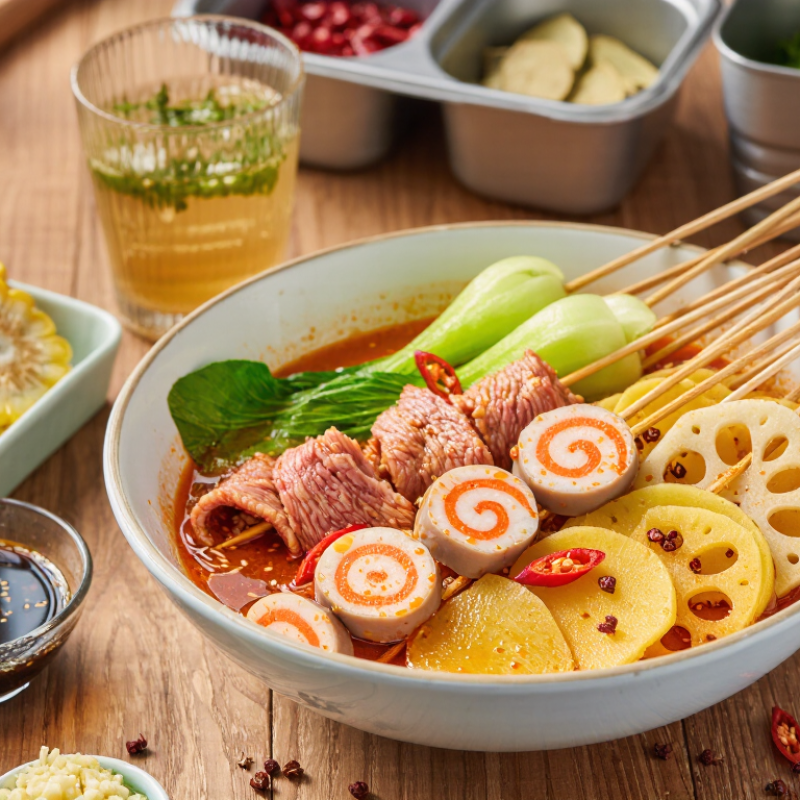
Table of Contents [Hide]
Define the Market: China’s Catering Revenue Reached RMB 5.29T in 2023
China’s catering revenue reached RMB 5.29 trillion in 2023, covering spending across restaurants, takeaway, and everyday dining. For global buyers assessing malatang, this figure defines the wider market, not the earnings of any single food category. It signals significant consumer activity, but says little about profit margins, store numbers, or malatang’s exact share. Big market, uneven returns.
Malatang’s appeal comes partly from choice: diners select ingredients, weigh them, and receive a cooked bowl of broth, vegetables, noodles, or meat. A lunch counter near offices may depend on fast service, while an evening location may need more seating and broader ingredient choices. These differences affect labor, rent, food waste, and average spending per visit. They matter more than a national revenue figure alone.
Buyers can use the RMB 5.29 trillion benchmark to understand the scale of China’s catering economy, then test local demand with current, city-level data. Compare foot traffic, repeat visits, ingredient costs, and seasonal sales before estimating returns. Revenue is not profit. And the available headline number has limits: it cannot show whether a particular location will attract enough regular customers.





