


- Home
- A-Z Catalogue
- Products
- Valves
- Cetop
- Manual Directional Valves
- Proportional Valves
- Poppet Valves
- High-Speed Linear Servo Valves
- All High-Speed Linear Servo Valves
- Cetop 10 (NG32) Two Stage Type High Speed Linear Servo Valves – LSVHG-10
- Cetop 10 (NG32) Two Stage Type High Speed Linear Servo Valves – LSVHG-10 (With Fail-Safe)
- Cetop 8 (NG25) Two Stage Type High Speed Linear Servo Valves – LSVHG-06
- Cetop 8 (NG25) Two Stage Type High Speed Linear Servo Valves – LSVHG-06 (With Fail-Safe)
- Cetop 7 (NG16) Two Stage Type High Speed Linear Servo Valves – LSVHG-04
- Cetop 7 (NG16) Two Stage Type High Speed Linear Servo Valves – LSVHG-04 (With Fail-Safe)
- Cetop 5 (NG10) Direct Type High Speed Linear Servo Valves – LSVG-03
- Cetop 5 (NG10) OBE Type Direct Operated Linear Servo Valves – LSVG-03-EH
- Cetop 3 (NG6) OBE Type Direct Operated Linear Servo Valves – LSVG-01-EH
- Pumps
- Pressure control
- Flow Control Valves
- Pressure Control Valves
- All Pressure Control Valves
- Brake Valves
- Direct Relief Valve
- Low Noise Solenoid Controlled Relief Valves
- Low Noise Pilot Operated Relief Valves
- Pilot Operated Relief Valves
- Pressure reducing and relieving valves
- Pressure reducing and check valves
- Pressure control valves
- Remote Control Relief Valves
- Solenoid Controlled Relief Valves – BSG
- Solenoid Controlled Relief Valves – BST
- Unloading relief valves
- Check valves
- Environmental
- Valves
- Hydraulic Systems
- Power pack
- About Us
- Contact
- Blog

What Is a Hydraulic Power Unit and How Does It Work?
A hydraulic power unit (HPU) is a crucial component in hydraulic systems. It generates and regulates hydraulic power for various applications. These units can be found in construction machines, manufacturing equipment, and even aerospace vehicles. Understanding how an HPU works is essential for professionals in engineering and maintenance.
Hydraulic power units consist of several key parts. The pump is the heart of the system, drawing hydraulic fluid from a reservoir. This fluid is then pressurized, enabling it to flow through interconnected components. The control valves play a vital role, directing fluid to the desired areas. The effectiveness of a hydraulic power unit often hinges on proper maintenance and calibration, which can sometimes be overlooked.
While hydraulic power units are efficient, they require careful handling. An HPU may malfunction if not monitored properly. Regular inspections and preventive measures are necessary to maintain optimal performance. Although these units are powerful, they are not infallible. Understanding their operation helps avoid costly downtime and enhances system reliability.
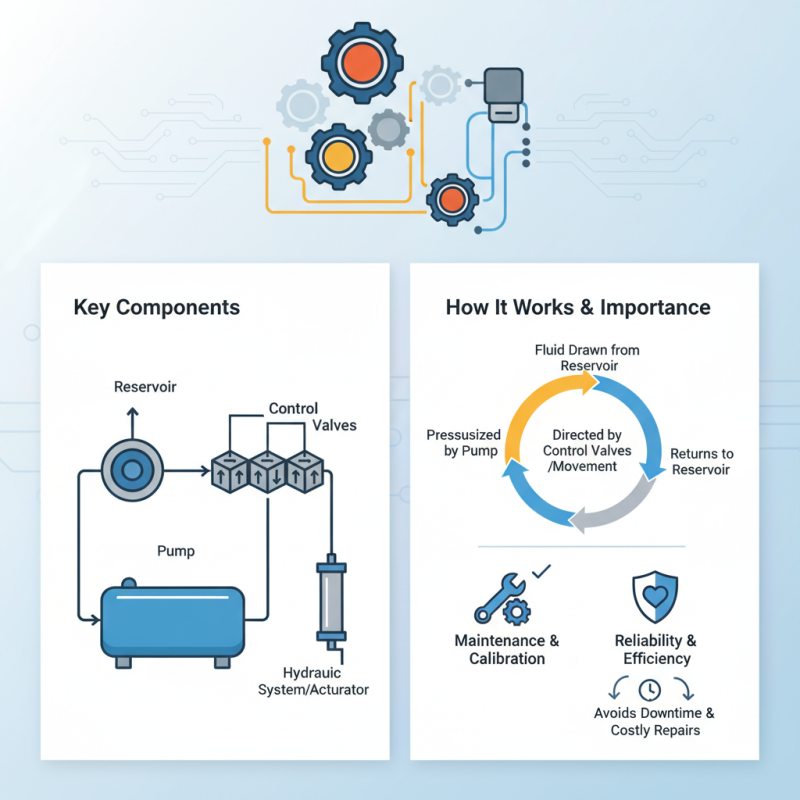
Table of Contents
[Hide]
Definition of Hydraulic Power Unit and Its Purpose
A hydraulic power unit (HPU) is an essential component in hydraulic systems. Its primary purpose is to generate and control hydraulic power. This unit typically consists of a pump, reservoir, motor, and valves. Together, these parts work to convert mechanical energy into hydraulic energy, which can then be used to power various machines and equipment.
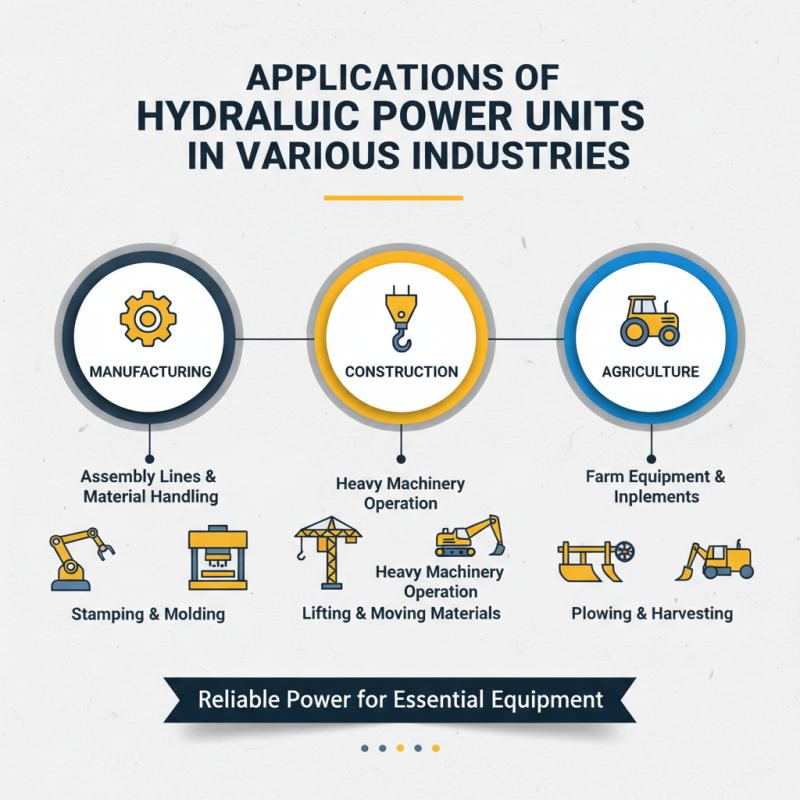
HPUs come in many sizes and configurations, suitable for different applications. They are commonly found in construction equipment, manufacturing, and even in some automotive systems. A well-constructed HPU can improve efficiency and performance. However, improper maintenance can lead to leaks and decreased efficiency. Regular checks for wear and tear are crucial.
Tips: Regularly inspect the hydraulic fluid levels. Dirty or low hydraulic fluid can cause system failure. Always use the appropriate type of fluid specified for your unit. Keep the hydraulic components clean to extend the life of the system. Consider adopting a scheduled maintenance program. This simple change can prevent larger issues down the line. Always prioritize safety when working with hydraulic systems, as they can be dangerous if not handled correctly.
What Is a Hydraulic Power Unit and How Does It Work?
| Component | Function | Common Materials | Typical Applications |
|---|---|---|---|
| Reservoir | Stores hydraulic fluid | Steel, Aluminum | General hydraulic systems |
| Pump | Converts mechanical energy to hydraulic energy | Cast Iron, Steel | Construction machinery |
| Motor | Drives the pump | Copper, Aluminum | Industrial applications |
| Filter | Removes contaminants from hydraulic fluid | Paper, Plastic | Hydraulic systems of all types |
| Valves | Controls fluid direction and flow | Brass, Stainless Steel | Robotics, Automation |
Related Posts
-

Best Hydraulic Power Unit for Your Needs in 2023
-
China Best Hydraulic Power Unit Options for Efficient Performance?
-
What is a Hydraulic Power Pack and How Does it Work?
-

How to Choose the Right Hydraulic Power Unit for Your Needs?
-
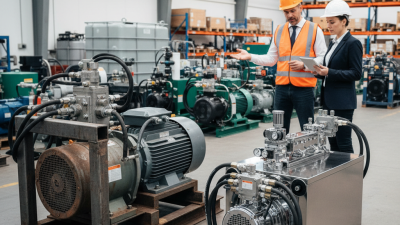
How to Choose the Right Hydraulic Unit for Your Needs?
-
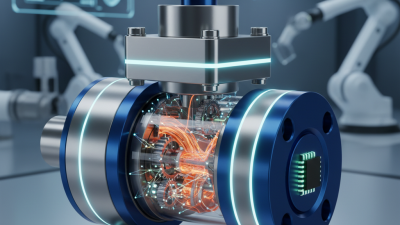
2026 Best Hydraulic Valve Innovations for Enhanced Performance?