


- Home
- A-Z Catalogue
- Products
- Valves
- Cetop
- Manual Directional Valves
- Proportional Valves
- Poppet Valves
- High-Speed Linear Servo Valves
- All High-Speed Linear Servo Valves
- Cetop 10 (NG32) Two Stage Type High Speed Linear Servo Valves – LSVHG-10
- Cetop 10 (NG32) Two Stage Type High Speed Linear Servo Valves – LSVHG-10 (With Fail-Safe)
- Cetop 8 (NG25) Two Stage Type High Speed Linear Servo Valves – LSVHG-06
- Cetop 8 (NG25) Two Stage Type High Speed Linear Servo Valves – LSVHG-06 (With Fail-Safe)
- Cetop 7 (NG16) Two Stage Type High Speed Linear Servo Valves – LSVHG-04
- Cetop 7 (NG16) Two Stage Type High Speed Linear Servo Valves – LSVHG-04 (With Fail-Safe)
- Cetop 5 (NG10) Direct Type High Speed Linear Servo Valves – LSVG-03
- Cetop 5 (NG10) OBE Type Direct Operated Linear Servo Valves – LSVG-03-EH
- Cetop 3 (NG6) OBE Type Direct Operated Linear Servo Valves – LSVG-01-EH
- Pumps
- Pressure control
- Flow Control Valves
- Pressure Control Valves
- All Pressure Control Valves
- Brake Valves
- Direct Relief Valve
- Low Noise Solenoid Controlled Relief Valves
- Low Noise Pilot Operated Relief Valves
- Pilot Operated Relief Valves
- Pressure reducing and relieving valves
- Pressure reducing and check valves
- Pressure control valves
- Remote Control Relief Valves
- Solenoid Controlled Relief Valves – BSG
- Solenoid Controlled Relief Valves – BST
- Unloading relief valves
- Check valves
- Environmental
- Valves
- Hydraulic Systems
- Power pack
- About Us
- Contact
- Blog

How to Choose a Yogurt Packing Machine in 2026?
Choosing a Yogurt Packing Machine in 2026 is not simply a matter of comparing prices. It is a decision about hygiene, product consistency, labor, and long-term reliability. A machine standing beside a filling line must handle chilled yogurt, different cup sizes, foil lids, and changing production volumes. Small details matter. A loose seal can create waste. An inaccurate fill can damage customer trust. A difficult cleaning process can slow the entire shift.
Dr. David Acheson, a food-safety physician and former FDA associate commissioner, has stated, “Food safety is not a competitive advantage; it is a cost of doing business.” That principle should guide every machine evaluation. Look for hygienic stainless-steel construction, accessible contact parts, dependable dosing control, and documented cleaning procedures. Servo-driven systems may improve accuracy, but they can also increase maintenance demands and purchase costs. Automation sounds impressive. It is not always the best answer.
A practical buyer should test the machine with the actual yogurt recipe, cup material, sealing film, and production speed. Ask for sample runs. Inspect the sealed cups afterward. Check for drips, wrinkles, weak seals, and inconsistent filling. Confirm spare-parts availability and technician support before signing a contract. Energy use also deserves attention, especially during long production runs. No checklist is perfect. A cheaper machine may become expensive through downtime, waste, or difficult sanitation. This guide will help manufacturers compare essential features, avoid vague promises, and choose a Yogurt Packing Machine that fits real operating conditions in 2026.
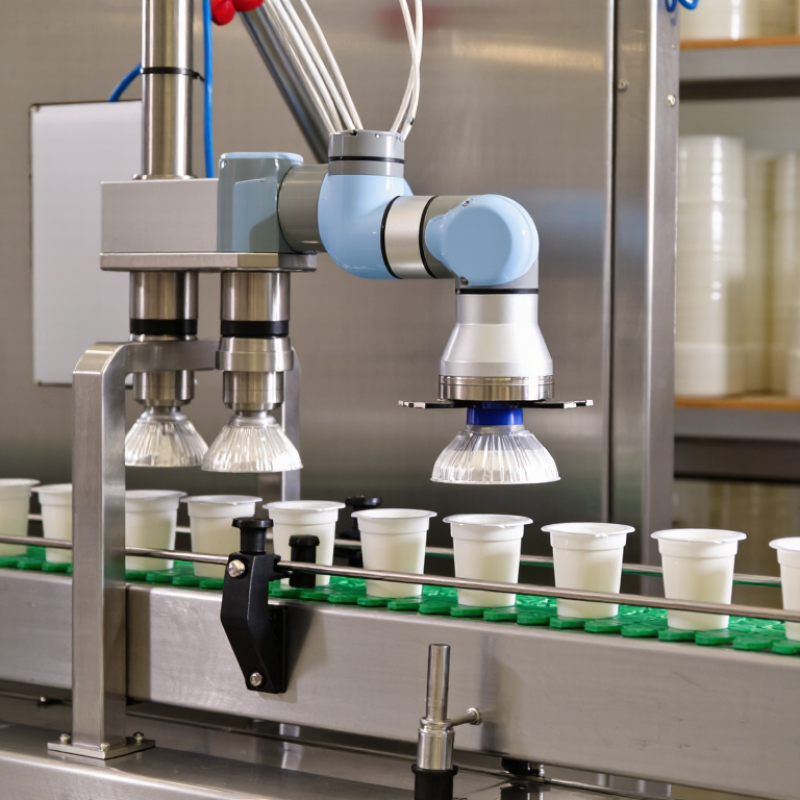
Table of Contents [Hide]
What Is a Yogurt Packing Machine and Why Does It Matter?
A yogurt packing machine is equipment that doses yogurt into cups, places lids, and seals each container. Some lines also print dates and detect missing or damaged lids. It works between mixing and cold storage, where product temperature and careful handling matter. The machine does not improve poor yogurt. It protects good yogurt from avoidable variation.
Accurate filling controls portion cost and keeps every cup visually consistent. A weak seal can cause leaks, contamination risks, and shortened shelf life. A strong system uses food-grade contact surfaces, smooth welds, and cleaning access without hidden corners. Check whether operators can inspect the dosing nozzles, sealing plate, and conveyor easily. In a trial, weigh filled cups from several lanes. Small differences often reveal setup problems before customers do.
When choosing a machine in 2026, match output to realistic demand, not an impressive maximum speed. Review cup sizes, yogurt thickness, fruit pieces, and packaging material before requesting a quotation. Sensor alerts and digital records can support traceability, but they should remain simple to use. Request documented fill accuracy, seal tests, sanitation procedures, and service response times. Do not ignore noise, floor space, or your maintenance team’s skill level. No machine is perfect. A slightly slower filler may deliver better uptime and less product waste.





