


- Home
- A-Z Catalogue
- Products
- Valves
- Cetop
- Manual Directional Valves
- Proportional Valves
- Poppet Valves
- High-Speed Linear Servo Valves
- All High-Speed Linear Servo Valves
- Cetop 10 (NG32) Two Stage Type High Speed Linear Servo Valves – LSVHG-10
- Cetop 10 (NG32) Two Stage Type High Speed Linear Servo Valves – LSVHG-10 (With Fail-Safe)
- Cetop 8 (NG25) Two Stage Type High Speed Linear Servo Valves – LSVHG-06
- Cetop 8 (NG25) Two Stage Type High Speed Linear Servo Valves – LSVHG-06 (With Fail-Safe)
- Cetop 7 (NG16) Two Stage Type High Speed Linear Servo Valves – LSVHG-04
- Cetop 7 (NG16) Two Stage Type High Speed Linear Servo Valves – LSVHG-04 (With Fail-Safe)
- Cetop 5 (NG10) Direct Type High Speed Linear Servo Valves – LSVG-03
- Cetop 5 (NG10) OBE Type Direct Operated Linear Servo Valves – LSVG-03-EH
- Cetop 3 (NG6) OBE Type Direct Operated Linear Servo Valves – LSVG-01-EH
- Pumps
- Pressure control
- Flow Control Valves
- Pressure Control Valves
- All Pressure Control Valves
- Brake Valves
- Direct Relief Valve
- Low Noise Solenoid Controlled Relief Valves
- Low Noise Pilot Operated Relief Valves
- Pilot Operated Relief Valves
- Pressure reducing and relieving valves
- Pressure reducing and check valves
- Pressure control valves
- Remote Control Relief Valves
- Solenoid Controlled Relief Valves – BSG
- Solenoid Controlled Relief Valves – BST
- Unloading relief valves
- Check valves
- Environmental
- Valves
- Hydraulic Systems
- Power pack
- About Us
- Contact
- Blog

How to Find a Reliable 316 Stainless Steel Plate Supplier?
Choosing a reliable 316 Stainless Steel Plate Supplier requires more than comparing prices. The supplier must prove material quality, traceability, and delivery consistency. A polished website proves little. Heat numbers, mill test certificates, inspection records, and clear technical answers matter more.
John C. Lippold, a recognized stainless-steel welding specialist, has stated, “Material selection must consider service conditions, fabrication, and performance together.” This principle applies directly to supplier evaluation. A dependable supplier should explain 316 and 316L differences, confirm chemical composition, and identify whether the plate meets ASTM or EN requirements. Ask for the original certificate, not a casual spreadsheet. Check the heat number against the plate markings.
Look closely at practical details. Are thickness tolerances clearly listed? Is the surface free from deep scratches, edge cracks, and transport damage? Can the supplier provide PMI testing when corrosion resistance is critical? Does the packing protect brushed or polished surfaces during shipment? These questions reveal experience quickly.
A reliable 316 Stainless Steel Plate Supplier should also communicate honestly when stock is unavailable. Unrealistic promises may create expensive delays later. Delivery history, inspection capacity, and responsive after-sales support deserve equal attention. Still, no checklist is perfect. Certificates can be misunderstood, and visual inspection can miss internal problems. Independent verification may be worthwhile for pressure equipment, marine structures, or chemical processing projects. The cheapest offer may look attractive today. It may become the costliest choice after rework, rejected plates, or interrupted production. Reliable sourcing is not about finding a perfect supplier. It is about reducing avoidable uncertainty.
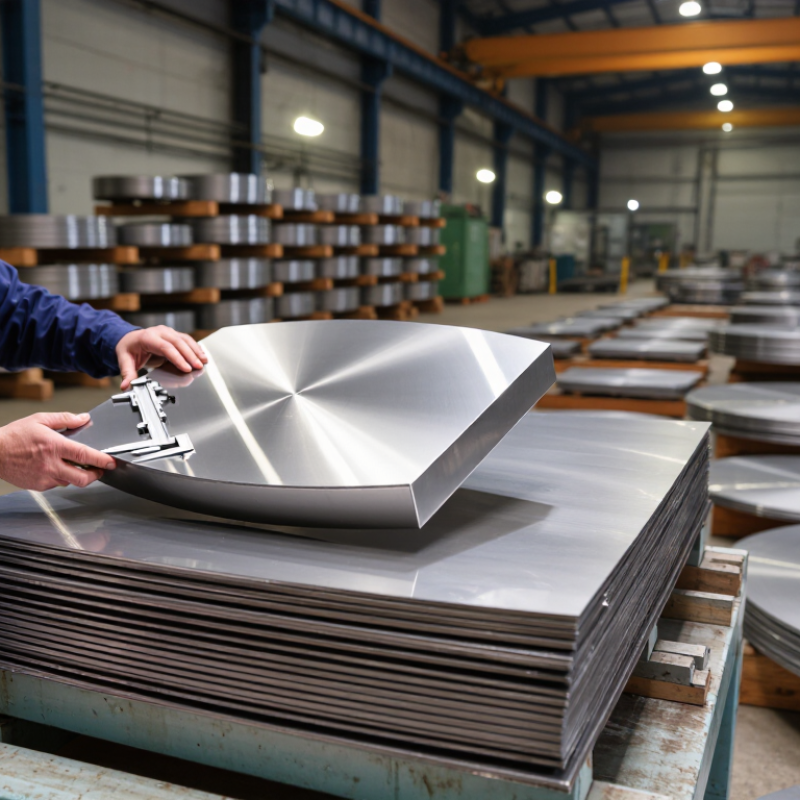
Table of Contents [Hide]
Define the Required 316 Stainless Steel Plate Specifications
How to Find a Reliable 316 Stainless Steel Plate Supplier?
Define the Required 316 Stainless Steel Plate Specifications
Before contacting a supplier, define the plate’s working conditions clearly. Identify whether you need 316 or 316L stainless steel. The difference can affect welding performance and corrosion resistance. State the required thickness, width, length, and quantity. Include the expected dimensional tolerance. Small errors can cause serious fitting problems during fabrication.
Specify the surface finish, such as hot-rolled, pickled, or polished. Mention whether the plate will face saltwater, chemicals, high temperatures, or outdoor exposure. I have seen buyers describe only “marine-grade steel,” which is too vague for accurate quotations. Request material certificates, heat numbers, chemical composition, mechanical test results, and inspection records. These documents help verify traceability and technical consistency. Also confirm the applicable material standard before comparing suppliers. A low price may reflect missing tests or wider tolerances.
Tips: Prepare a one-page specification sheet. Add a simple drawing when shape or hole locations matter. Ask the supplier to confirm every requirement in writing. Check sample documents carefully. They should match the ordered grade and dimensions. Do not overlook packaging, edge protection, and delivery conditions. I once underestimated packaging needs, and minor surface marks created avoidable rework. Your specifications may still need revision after receiving engineering feedback. That is normal. Clear details make supplier evaluation more reliable.





