


- Home
- A-Z Catalogue
- Products
- Valves
- Cetop
- Manual Directional Valves
- Proportional Valves
- Poppet Valves
- High-Speed Linear Servo Valves
- All High-Speed Linear Servo Valves
- Cetop 10 (NG32) Two Stage Type High Speed Linear Servo Valves – LSVHG-10
- Cetop 10 (NG32) Two Stage Type High Speed Linear Servo Valves – LSVHG-10 (With Fail-Safe)
- Cetop 8 (NG25) Two Stage Type High Speed Linear Servo Valves – LSVHG-06
- Cetop 8 (NG25) Two Stage Type High Speed Linear Servo Valves – LSVHG-06 (With Fail-Safe)
- Cetop 7 (NG16) Two Stage Type High Speed Linear Servo Valves – LSVHG-04
- Cetop 7 (NG16) Two Stage Type High Speed Linear Servo Valves – LSVHG-04 (With Fail-Safe)
- Cetop 5 (NG10) Direct Type High Speed Linear Servo Valves – LSVG-03
- Cetop 5 (NG10) OBE Type Direct Operated Linear Servo Valves – LSVG-03-EH
- Cetop 3 (NG6) OBE Type Direct Operated Linear Servo Valves – LSVG-01-EH
- Pumps
- Pressure control
- Flow Control Valves
- Pressure Control Valves
- All Pressure Control Valves
- Brake Valves
- Direct Relief Valve
- Low Noise Solenoid Controlled Relief Valves
- Low Noise Pilot Operated Relief Valves
- Pilot Operated Relief Valves
- Pressure reducing and relieving valves
- Pressure reducing and check valves
- Pressure control valves
- Remote Control Relief Valves
- Solenoid Controlled Relief Valves – BSG
- Solenoid Controlled Relief Valves – BST
- Unloading relief valves
- Check valves
- Environmental
- Valves
- Hydraulic Systems
- Power pack
- About Us
- Contact
- Blog

10 Essential Tips for Maintaining an Efficient Hydraulic System
In the realm of industrial machinery, ensuring the optimal performance of a hydraulic system is essential for productivity and safety. Renowned hydraulic systems expert, Dr. Emily Santos, emphasizes this by stating, "A well-maintained hydraulic system is not just a component of operational efficiency; it is the backbone of reliability in any heavy machinery." This insight highlights the critical role that maintenance plays in the longevity and functionality of hydraulic systems across various industries.
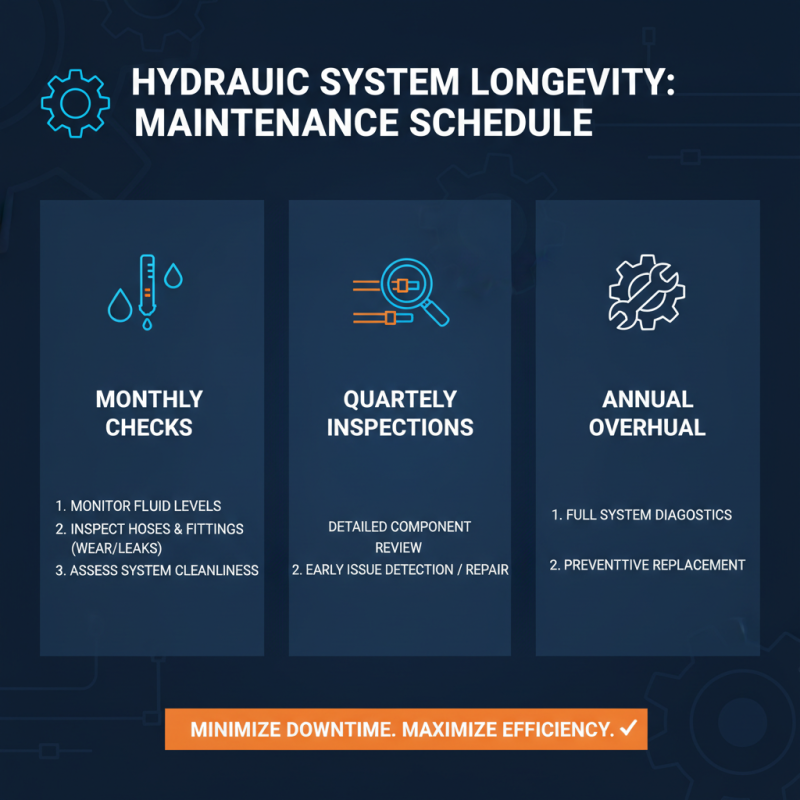
As these systems are integral to numerous applications—from construction equipment to aviation technologies—their proper upkeep cannot be overstated. Neglecting maintenance can lead to costly downtimes and increased operational risks. Therefore, understanding the essential practices for maintaining an efficient hydraulic system is vital for any operation reliant on hydraulic technology. In the following sections, we will explore ten indispensable tips that can help ensure your hydraulic system remains in peak condition, minimizing the risks of failure and enhancing overall productivity.
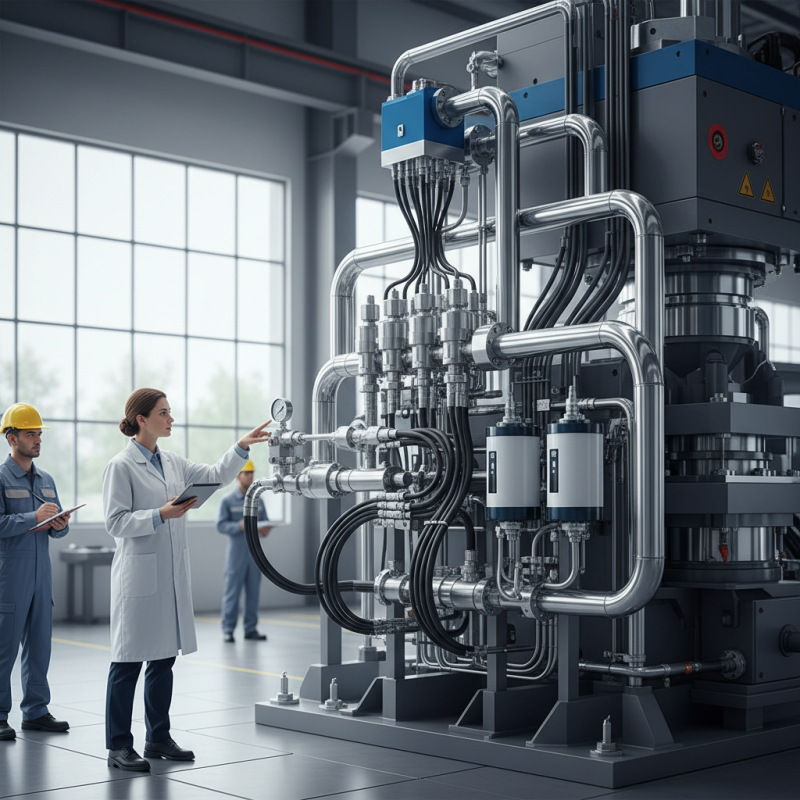
Table of Contents
[Hide]
10 Key Components of a Hydraulic System and Their Functions
A hydraulic system is comprised of several key components, each playing a crucial role in its overall efficiency and functionality. The primary component is the hydraulic pump, which converts mechanical energy into hydraulic energy, generating fluid flow to power the system. Next, we have hydraulic cylinders, which utilize this fluid pressure to create linear motion, enabling machinery to perform tasks with great force and precision. Additionally, hydraulic motors are responsible for converting hydraulic pressure back into mechanical energy, driving various equipment and machinery.
Other essential components include valves, which control the direction and flow of hydraulic fluid within the system. They ensure that the right amount of pressure is directed to the appropriate areas, thus maintaining optimal operation. Hydraulic hoses and pipes transport the fluid between components, and it is crucial that they are durable and leak-free to prevent system failures.
Finally, a hydraulic reservoir holds the fluid, allowing for expansion and compensation for leaks while also helping in the cooling and contamination control of the fluid. Understanding these ten key components and their functions is vital for anyone looking to maintain an efficient hydraulic system.
Related Posts
-

Top Trends in 2025 for Check Valves You Need to Know About
-
Understanding the Importance of Hydraulic Pressure Control Valves in Modern Industrial Applications
-
Why Hydraulic Flow Control Valves are Essential for Optimizing System Performance: Insights and Data
-
What is a Pilot Operated Check Valve and How Does It Work in Hydraulic Systems
-

7 Essential Tips for Mastering Hydraulic Controls in Your Projects
-
How to Choose the Right Directional Control Valve for Your Project