


- Home
- A-Z Catalogue
- Products
- Valves
- Cetop
- Manual Directional Valves
- Proportional Valves
- Poppet Valves
- High-Speed Linear Servo Valves
- All High-Speed Linear Servo Valves
- Cetop 10 (NG32) Two Stage Type High Speed Linear Servo Valves – LSVHG-10
- Cetop 10 (NG32) Two Stage Type High Speed Linear Servo Valves – LSVHG-10 (With Fail-Safe)
- Cetop 8 (NG25) Two Stage Type High Speed Linear Servo Valves – LSVHG-06
- Cetop 8 (NG25) Two Stage Type High Speed Linear Servo Valves – LSVHG-06 (With Fail-Safe)
- Cetop 7 (NG16) Two Stage Type High Speed Linear Servo Valves – LSVHG-04
- Cetop 7 (NG16) Two Stage Type High Speed Linear Servo Valves – LSVHG-04 (With Fail-Safe)
- Cetop 5 (NG10) Direct Type High Speed Linear Servo Valves – LSVG-03
- Cetop 5 (NG10) OBE Type Direct Operated Linear Servo Valves – LSVG-03-EH
- Cetop 3 (NG6) OBE Type Direct Operated Linear Servo Valves – LSVG-01-EH
- Pumps
- Pressure control
- Flow Control Valves
- Pressure Control Valves
- All Pressure Control Valves
- Brake Valves
- Direct Relief Valve
- Low Noise Solenoid Controlled Relief Valves
- Low Noise Pilot Operated Relief Valves
- Pilot Operated Relief Valves
- Pressure reducing and relieving valves
- Pressure reducing and check valves
- Pressure control valves
- Remote Control Relief Valves
- Solenoid Controlled Relief Valves – BSG
- Solenoid Controlled Relief Valves – BST
- Unloading relief valves
- Check valves
- Environmental
- Valves
- Hydraulic Systems
- Power pack
- About Us
- Contact
- Blog

7 Essential Tips for Choosing the Right Hydraulic Valve for Your Application
When it comes to optimizing the performance and efficiency of hydraulic systems, choosing the right hydraulic valve is crucial. Whether you are designing a new system or upgrading an existing one, understanding the various types of hydraulic valves and their applications can make a significant difference in operational success. Hydraulic valves control the flow and pressure of fluids within hydraulic circuits, influencing everything from speed and force to smoothness of operation. With numerous options available in the market, selecting the appropriate hydraulic valve can be a daunting task.
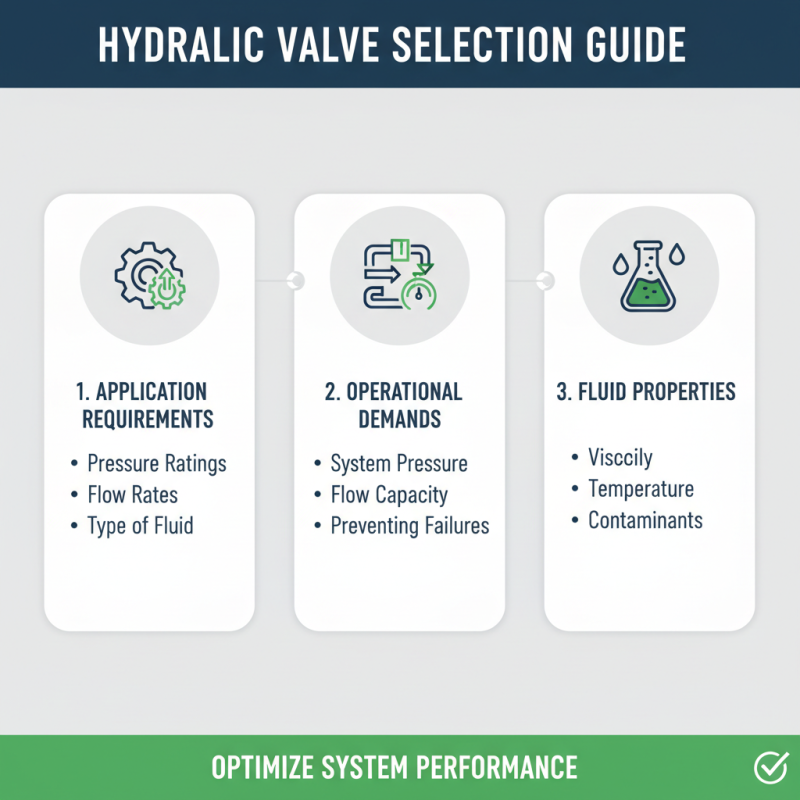
By considering essential factors such as the valve's function, compatibility with other components, and environmental conditions, users can streamline their selection process. Each application may require specific characteristics, such as size, response time, and flow rate, emphasizing the need for careful evaluation. In this guide, we will outline seven essential tips that will help you navigate the complexities of hydraulic valve selection. These tips are designed to empower you with the knowledge to make informed decisions, ensuring that the hydraulic valves you choose will enhance the performance and reliability of your system.
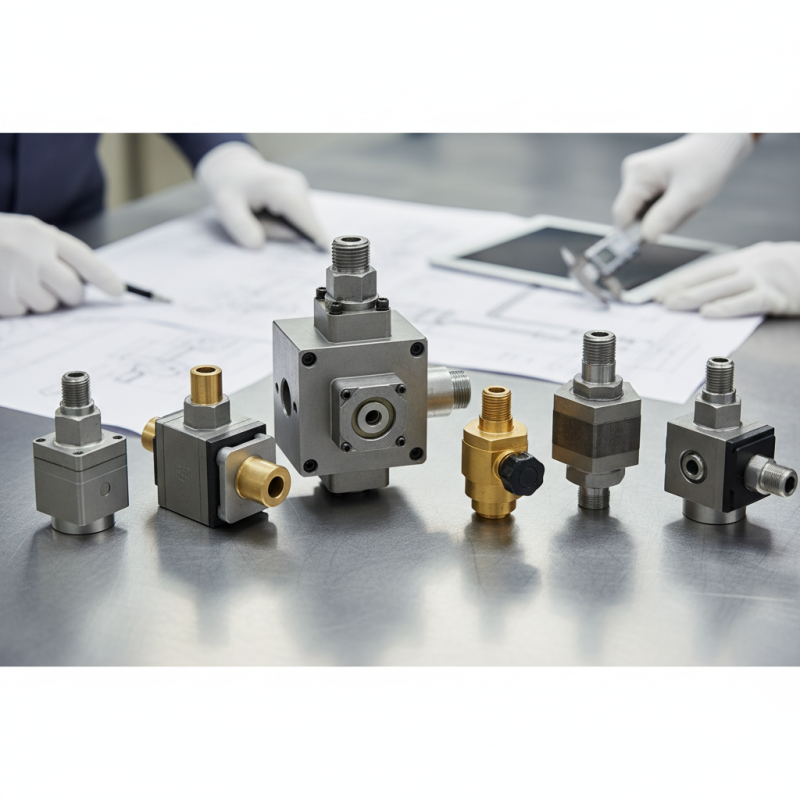
Table of Contents
[Hide]
Understanding the Function and Types of Hydraulic Valves
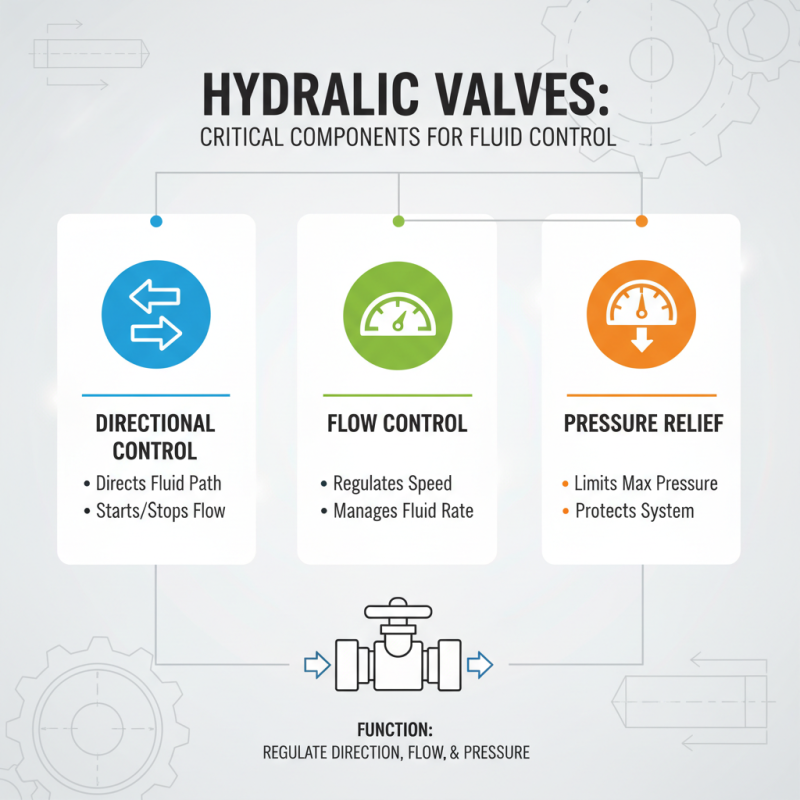
Hydraulic valves are critical components in hydraulic systems, directing fluid flow and controlling pressure to ensure efficient operation. Understanding their function is fundamental when selecting the right valve for your application. At their core, hydraulic valves regulate the direction, flow rate, and pressure of hydraulic fluid. They come in various types, including directional control valves, flow control valves, and pressure relief valves, each serving a specific purpose in the system.
Directional control valves determine the path of fluid movement within the hydraulic circuit, thereby controlling the actuator's movement. Flow control valves manage the speed of the fluid, affecting how quickly an actuator responds. Pressure relief valves are designed to prevent excessive pressure build-up, ensuring system safety. Familiarity with these types and their functions will help you make informed choices, allowing for optimal system performance tailored to your operational needs.
Related Posts
-
Understanding the Importance of Hydraulic Pressure Control Valves in Modern Industrial Applications
-

Exploring the Benefits of Advanced Hydraulic Directional Valves for Efficient Fluid Control
-
Understanding the Role of Hydraulic Valves in Modern Industrial Applications
-
How to Choose the Right Directional Control Valve for Your Project
-

Understanding the Importance of Hydraulic Flow Control Valves in Modern Industrial Applications
-
2025 Top Hydraulic Directional Valve Applications and Important Features to Know