


- Home
- A-Z Catalogue
- Products
- Valves
- Cetop
- Manual Directional Valves
- Proportional Valves
- Poppet Valves
- High-Speed Linear Servo Valves
- All High-Speed Linear Servo Valves
- Cetop 10 (NG32) Two Stage Type High Speed Linear Servo Valves – LSVHG-10
- Cetop 10 (NG32) Two Stage Type High Speed Linear Servo Valves – LSVHG-10 (With Fail-Safe)
- Cetop 8 (NG25) Two Stage Type High Speed Linear Servo Valves – LSVHG-06
- Cetop 8 (NG25) Two Stage Type High Speed Linear Servo Valves – LSVHG-06 (With Fail-Safe)
- Cetop 7 (NG16) Two Stage Type High Speed Linear Servo Valves – LSVHG-04
- Cetop 7 (NG16) Two Stage Type High Speed Linear Servo Valves – LSVHG-04 (With Fail-Safe)
- Cetop 5 (NG10) Direct Type High Speed Linear Servo Valves – LSVG-03
- Cetop 5 (NG10) OBE Type Direct Operated Linear Servo Valves – LSVG-03-EH
- Cetop 3 (NG6) OBE Type Direct Operated Linear Servo Valves – LSVG-01-EH
- Pumps
- Pressure control
- Flow Control Valves
- Pressure Control Valves
- All Pressure Control Valves
- Brake Valves
- Direct Relief Valve
- Low Noise Solenoid Controlled Relief Valves
- Low Noise Pilot Operated Relief Valves
- Pilot Operated Relief Valves
- Pressure reducing and relieving valves
- Pressure reducing and check valves
- Pressure control valves
- Remote Control Relief Valves
- Solenoid Controlled Relief Valves – BSG
- Solenoid Controlled Relief Valves – BST
- Unloading relief valves
- Check valves
- Environmental
- Valves
- Hydraulic Systems
- Power pack
- About Us
- Contact
- Blog

Why is Hydraulic Equipment Essential in Modern Industries?
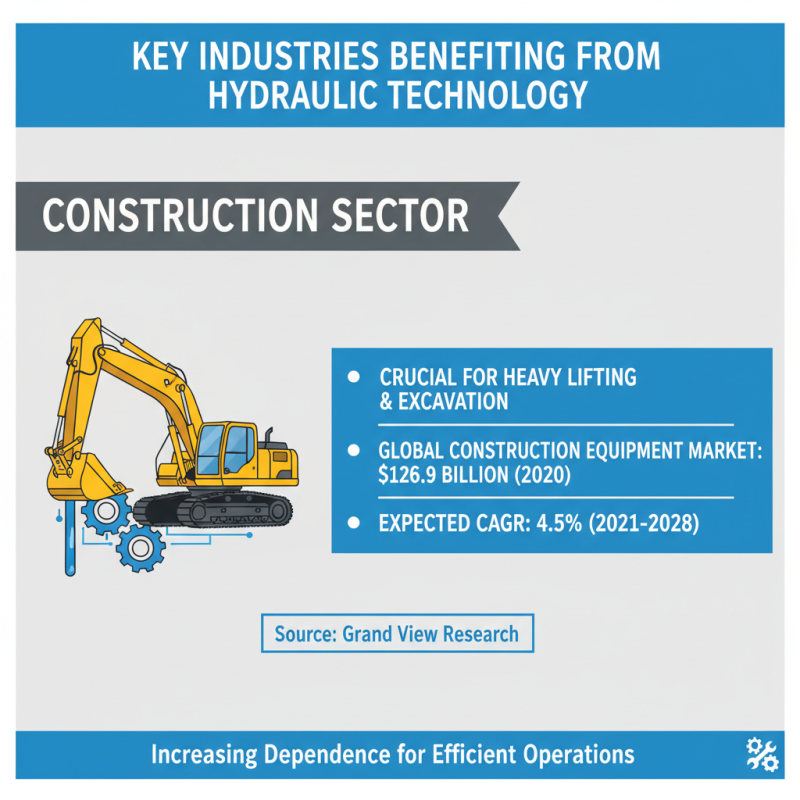
Hydraulic equipment plays a crucial role in today's industries. This technology powers various machinery, enabling smooth and efficient operations. From construction sites to manufacturing plants, hydraulic systems are vital. They offer immense force in a compact design.
Hydraulic equipment operates using fluid power to generate movement. It converts energy from fluid into mechanical work. This process can seem simple, but it requires precision and careful engineering. Many industries rely heavily on these systems. Without them, productivity may suffer. Maintenance and reliability are areas of concern for many operators.
Despite their importance, some industries undervalue hydraulic systems. They may overlook potential improvements in performance and safety. This negligence can lead to inefficiencies and increased costs. Recognizing the full potential of hydraulic equipment is essential. It requires constant evaluation and adaptation in modern industry settings.
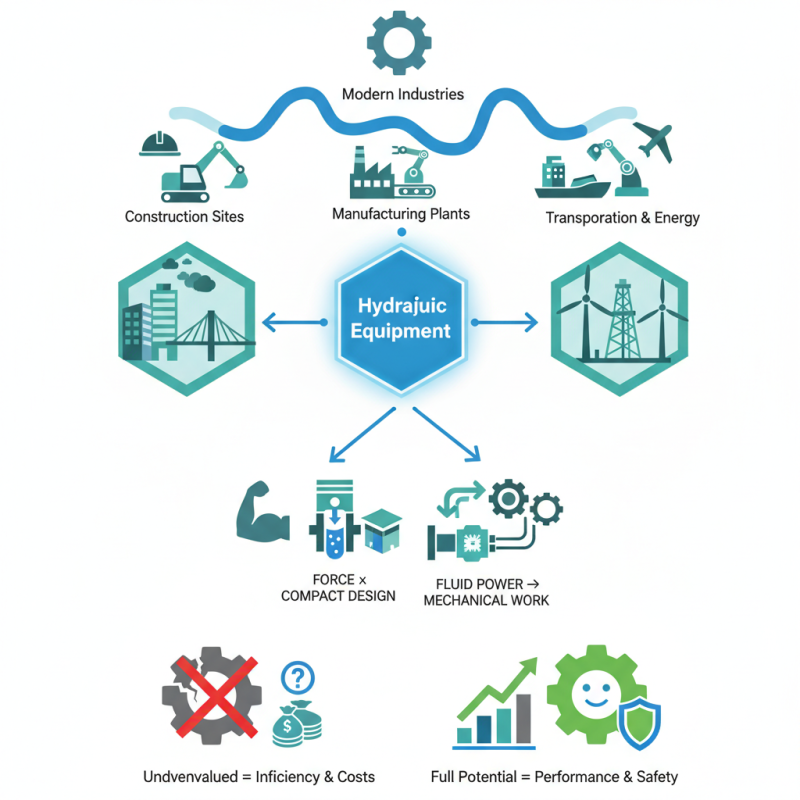
Table of Contents
[Hide]
The Role of Hydraulic Equipment in Automation and Efficiency
Hydraulic equipment plays a vital role in modern industries, especially in automation and efficiency. These systems convert fluid power into mechanical work. This process allows machines to perform tasks more quickly and efficiently. Hydraulic systems can lift heavy loads with minimal effort. This capability is essential in manufacturing, construction, and transportation.
Tip: Regular maintenance of hydraulic systems is crucial. Check for leaks and ensure fluid levels are adequate. Neglecting these aspects can lead to inefficiencies and costly downtimes.
Automation heavily relies on hydraulic equipment to streamline processes. For instance, robotic arms use hydraulic actuators. They can perform precise movements in assembly lines. Such accuracy promotes productivity and reduces errors. However, the complexity of hydraulic systems can be challenging. Understanding the system's operating principles is key to maximizing its efficiency.
Tip: Train operators thoroughly on hydraulic equipment. A well-informed team can troubleshoot issues quickly. This training can significantly impact overall operational effectiveness.
Related Posts
-

Why Is Hydraulic Equipment Essential in Modern Industry?
-
7 Essential Tips for Mastering Hydraulic Controls in Your Projects
-
How to Choose the Right Servo Valves for Your Applications?
-
2025 Top Hydraulic Directional Valve Applications and Important Features to Know
-
Top Benefits of Yuken Hydraulics for Industrial Applications?
-

Understanding Pressure Control Valves: Types, Functions, and Applications