


- Home
- A-Z Catalogue
- Products
- Valves
- Cetop
- Manual Directional Valves
- Proportional Valves
- Poppet Valves
- High-Speed Linear Servo Valves
- All High-Speed Linear Servo Valves
- Cetop 10 (NG32) Two Stage Type High Speed Linear Servo Valves – LSVHG-10
- Cetop 10 (NG32) Two Stage Type High Speed Linear Servo Valves – LSVHG-10 (With Fail-Safe)
- Cetop 8 (NG25) Two Stage Type High Speed Linear Servo Valves – LSVHG-06
- Cetop 8 (NG25) Two Stage Type High Speed Linear Servo Valves – LSVHG-06 (With Fail-Safe)
- Cetop 7 (NG16) Two Stage Type High Speed Linear Servo Valves – LSVHG-04
- Cetop 7 (NG16) Two Stage Type High Speed Linear Servo Valves – LSVHG-04 (With Fail-Safe)
- Cetop 5 (NG10) Direct Type High Speed Linear Servo Valves – LSVG-03
- Cetop 5 (NG10) OBE Type Direct Operated Linear Servo Valves – LSVG-03-EH
- Cetop 3 (NG6) OBE Type Direct Operated Linear Servo Valves – LSVG-01-EH
- Pumps
- Pressure control
- Flow Control Valves
- Pressure Control Valves
- All Pressure Control Valves
- Brake Valves
- Direct Relief Valve
- Low Noise Solenoid Controlled Relief Valves
- Low Noise Pilot Operated Relief Valves
- Pilot Operated Relief Valves
- Pressure reducing and relieving valves
- Pressure reducing and check valves
- Pressure control valves
- Remote Control Relief Valves
- Solenoid Controlled Relief Valves – BSG
- Solenoid Controlled Relief Valves – BST
- Unloading relief valves
- Check valves
- Environmental
- Valves
- Hydraulic Systems
- Power pack
- About Us
- Contact
- Blog

What is Electrical Steel and Why Is It Important?
Electrical Steel is a pivotal material in the manufacturing of electric motors and transformers. This specialized steel possesses unique properties that enhance efficiency and performance. According to Dr. Emily Chen, an expert in the field, "Electrical Steel is essential for minimizing energy loss in electrical devices." Her insight highlights the significance of this material in modern technology.
The production of Electrical Steel involves intricate processes that improve its magnetic properties. These processes can be costly, raising questions about sustainability and innovation. It’s essential to balance performance with environmental impact. Some manufacturers strive for improvements, yet challenges remain in achieving ultra-high efficiency.
Moreover, the demand for Electrical Steel is increasing as industries focus on renewable energy solutions. However, supply chain issues can hinder progress. This dynamic reality showcases the importance of Electrical Steel in our evolving world. As technologies advance, the role of this material will only grow. Understanding its significance is crucial for future innovation.
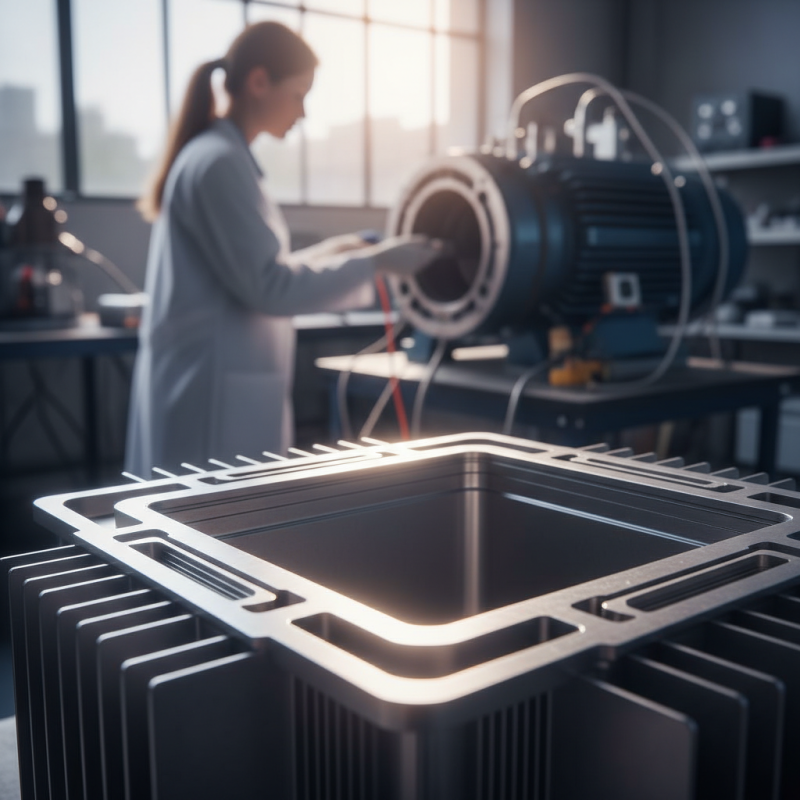
Table of Contents [Hide]
What is Electrical Steel?
Electrical steel, also known as silicon steel, plays a crucial role in the electrical industry. This specialized steel has unique magnetic properties that improve efficiency in electrical applications. It is used primarily in transformers, generators, and electric motors. The addition of silicon enhances its magnetic performance, making it essential for reducing energy losses.
The production of electrical steel involves careful processing techniques. The steel is rolled to very thin sheets to optimize magnetic performance. These sheets are coated to prevent losses from eddy currents. However, not every batch meets the strict standards necessary for high-performance applications. Manufacturers frequently face challenges related to consistency and quality control. Flaws can arise during the production process, resulting in less efficient materials.
Understanding electrical steel is vital for advancements in energy-efficient technologies. The demand for sustainable energy sources has increased. Better electrical steels can improve the performance of renewable energy systems, such as wind and solar energy. Better materials lead to reductions in energy consumption. Yet, not all innovations are flawless. Industry professionals must continuously strive for perfection to maximize the potential of this crucial material.