


- Home
- A-Z Catalogue
- Products
- Valves
- Cetop
- Manual Directional Valves
- Proportional Valves
- Poppet Valves
- High-Speed Linear Servo Valves
- All High-Speed Linear Servo Valves
- Cetop 10 (NG32) Two Stage Type High Speed Linear Servo Valves – LSVHG-10
- Cetop 10 (NG32) Two Stage Type High Speed Linear Servo Valves – LSVHG-10 (With Fail-Safe)
- Cetop 8 (NG25) Two Stage Type High Speed Linear Servo Valves – LSVHG-06
- Cetop 8 (NG25) Two Stage Type High Speed Linear Servo Valves – LSVHG-06 (With Fail-Safe)
- Cetop 7 (NG16) Two Stage Type High Speed Linear Servo Valves – LSVHG-04
- Cetop 7 (NG16) Two Stage Type High Speed Linear Servo Valves – LSVHG-04 (With Fail-Safe)
- Cetop 5 (NG10) Direct Type High Speed Linear Servo Valves – LSVG-03
- Cetop 5 (NG10) OBE Type Direct Operated Linear Servo Valves – LSVG-03-EH
- Cetop 3 (NG6) OBE Type Direct Operated Linear Servo Valves – LSVG-01-EH
- Pumps
- Pressure control
- Flow Control Valves
- Pressure Control Valves
- All Pressure Control Valves
- Brake Valves
- Direct Relief Valve
- Low Noise Solenoid Controlled Relief Valves
- Low Noise Pilot Operated Relief Valves
- Pilot Operated Relief Valves
- Pressure reducing and relieving valves
- Pressure reducing and check valves
- Pressure control valves
- Remote Control Relief Valves
- Solenoid Controlled Relief Valves – BSG
- Solenoid Controlled Relief Valves – BST
- Unloading relief valves
- Check valves
- Environmental
- Valves
- Hydraulic Systems
- Power pack
- About Us
- Contact
- Blog

What is a Directional Valve and How Does It Work?
A directional valve is a crucial component in many hydraulic and pneumatic systems. It controls the flow path of fluids, allowing operators to direct movement. Understanding how a directional valve works can enhance the efficiency of various machinery. These valves are characterized by ports and positions, which, though straightforward, can be complex in different applications.
In practice, a directional valve's precise functioning can determine machine performance. While some may think of it as merely a switch, it influences everything. Misalignments or failures in a directional valve may result in operational inefficiencies. It's not uncommon to encounter problems that require thoughtful evaluation. The challenge often lies in ensuring the valve responds accurately under pressure, rather than just assuming it will.
Ultimately, grasping the role of a directional valve can lead to more effective machinery management. Understanding its mechanics invites a deeper reflection on maintenance and design. The interactions within these systems offer insights that can be both enlightening and perplexing. By exploring the nuances of directional valves, one can appreciate their importance in everyday applications.
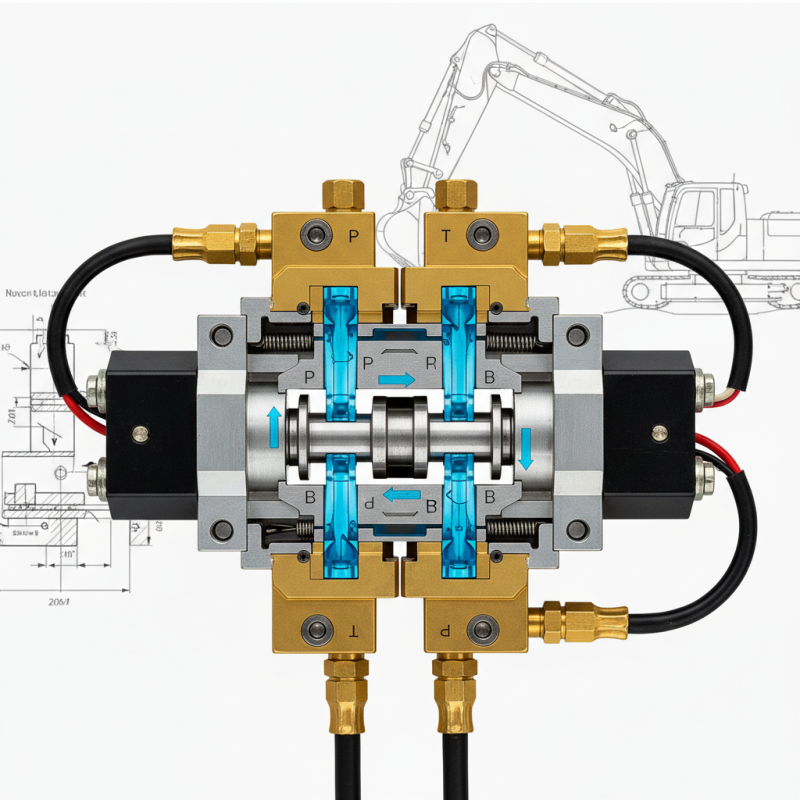
Table of Contents
[Hide]
What is a Directional Valve?
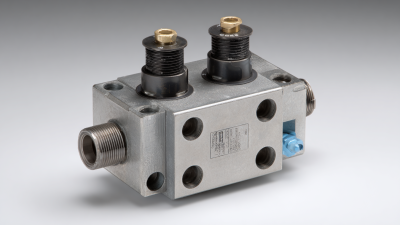
A directional valve is a key component in hydraulic and pneumatic systems. It controls the flow direction of fluids or gases. These valves help shape the movement and operation of machines. By managing how fluid moves, they ensure systems operate smoothly.
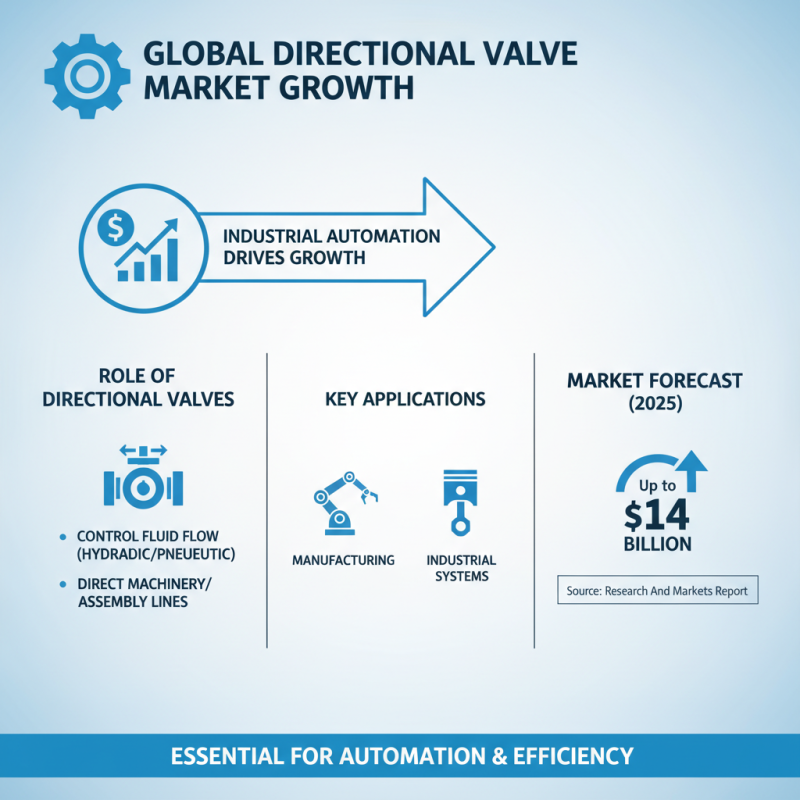
Most directional valves have multiple ports. They can either open or block paths for the fluid. Common configurations include two-way, three-way, and four-way. Each design serves a unique purpose. In fact, industry reports suggest that directional valves make up about 30% of the total hydraulic valve market. This highlights their critical role in automation.
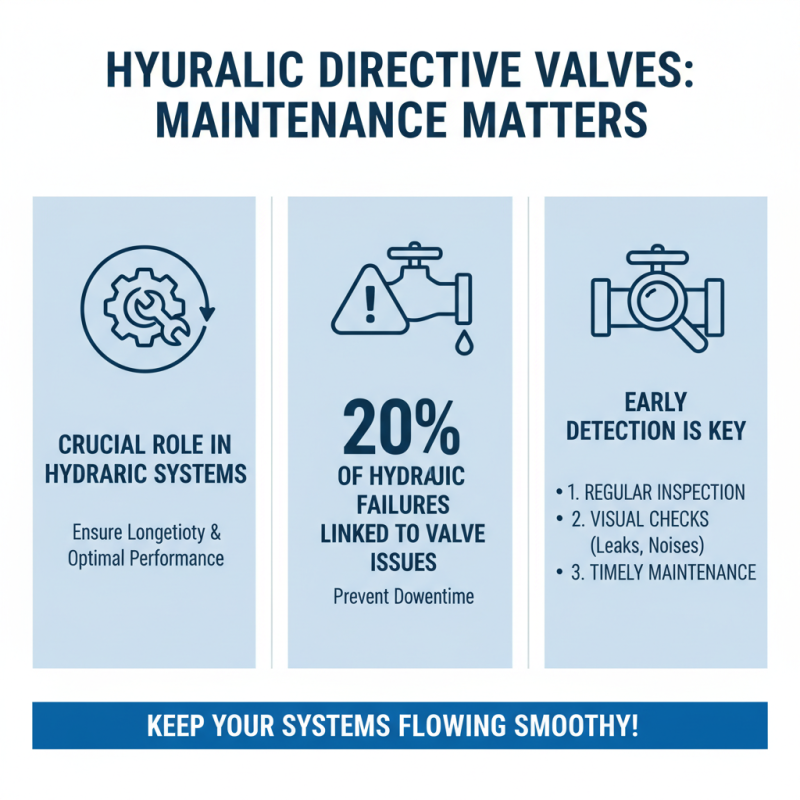
Tips: Regular maintenance is essential. Check for leaks and ensure proper function. Ignoring these checks can lead to costly repairs. Keep an eye on pressure levels; fluctuations can indicate problems.
In some cases, operators may face challenges. For instance, a valve may stick or fail to operate as intended. This could be due to dirt accumulation or wear over time. If this happens, immediate assessment is crucial. Understanding the cause helps prevent system failures later on. Always document any issues for future reference.
Related Posts
-
The Essential Guide to Understanding Pressure Relief Valves: Safety and Function Explained
-
The Essential Guide to Understanding Hydraulic Power Packs in Industrial Applications
-
10 Essential Tips for Choosing the Right Pressure Reducing Valve
-
Top 10 Yuken Valve Solutions for Optimal Hydraulic Performance
-
2025 Top 5 Proportional Valves to Enhance Your Industrial Efficiency
-
What is a Pilot Operated Check Valve and How Does It Work in Hydraulic Systems