


- Home
- A-Z Catalogue
- Products
- Valves
- Cetop
- Manual Directional Valves
- Proportional Valves
- Poppet Valves
- High-Speed Linear Servo Valves
- All High-Speed Linear Servo Valves
- Cetop 10 (NG32) Two Stage Type High Speed Linear Servo Valves – LSVHG-10
- Cetop 10 (NG32) Two Stage Type High Speed Linear Servo Valves – LSVHG-10 (With Fail-Safe)
- Cetop 8 (NG25) Two Stage Type High Speed Linear Servo Valves – LSVHG-06
- Cetop 8 (NG25) Two Stage Type High Speed Linear Servo Valves – LSVHG-06 (With Fail-Safe)
- Cetop 7 (NG16) Two Stage Type High Speed Linear Servo Valves – LSVHG-04
- Cetop 7 (NG16) Two Stage Type High Speed Linear Servo Valves – LSVHG-04 (With Fail-Safe)
- Cetop 5 (NG10) Direct Type High Speed Linear Servo Valves – LSVG-03
- Cetop 5 (NG10) OBE Type Direct Operated Linear Servo Valves – LSVG-03-EH
- Cetop 3 (NG6) OBE Type Direct Operated Linear Servo Valves – LSVG-01-EH
- Pumps
- Pressure control
- Flow Control Valves
- Pressure Control Valves
- All Pressure Control Valves
- Brake Valves
- Direct Relief Valve
- Low Noise Solenoid Controlled Relief Valves
- Low Noise Pilot Operated Relief Valves
- Pilot Operated Relief Valves
- Pressure reducing and relieving valves
- Pressure reducing and check valves
- Pressure control valves
- Remote Control Relief Valves
- Solenoid Controlled Relief Valves – BSG
- Solenoid Controlled Relief Valves – BST
- Unloading relief valves
- Check valves
- Environmental
- Valves
- Hydraulic Systems
- Power pack
- About Us
- Contact
- Blog

What Is a Chrome Iron Furnace Used For?
A Chrome Iron Furnace is used to produce chromium-bearing iron alloys, most commonly ferrochrome for steelmaking. In an electric submerged-arc furnace, chromite ore, carbon reductant, and fluxes are heated under controlled conditions. The charge settles through the furnace, where high temperatures help chromium combine with iron. Tapping leaves molten alloy and a separate slag phase.
The distinction matters. This is not merely a heater. Operators manage electrical power, burden composition, and slag chemistry to influence metal recovery and product quality. A small change in ore grade or carbon content can shift furnace performance. In practice, the glowing tap stream, dust, and refractory wear offer clues, but none tells the whole story. Measurements and consistent records matter.
Metallurgist Dr. Fathi Habashi is known for work in extractive metallurgy. The following line is an editorial paraphrase of general metallurgical principles, not a verified quotation: “Reliable metal production depends on controlling heat, chemistry, and feed together.” That framing helps explain the furnace’s role. It converts mineral feed into an alloy used in stainless and specialty steels. Some high-chromium iron production may use different furnace and foundry routes, so the term can describe more than one setup. That ambiguity deserves attention. Understanding the furnace means looking at its feed, process, and intended alloy—not just its name.
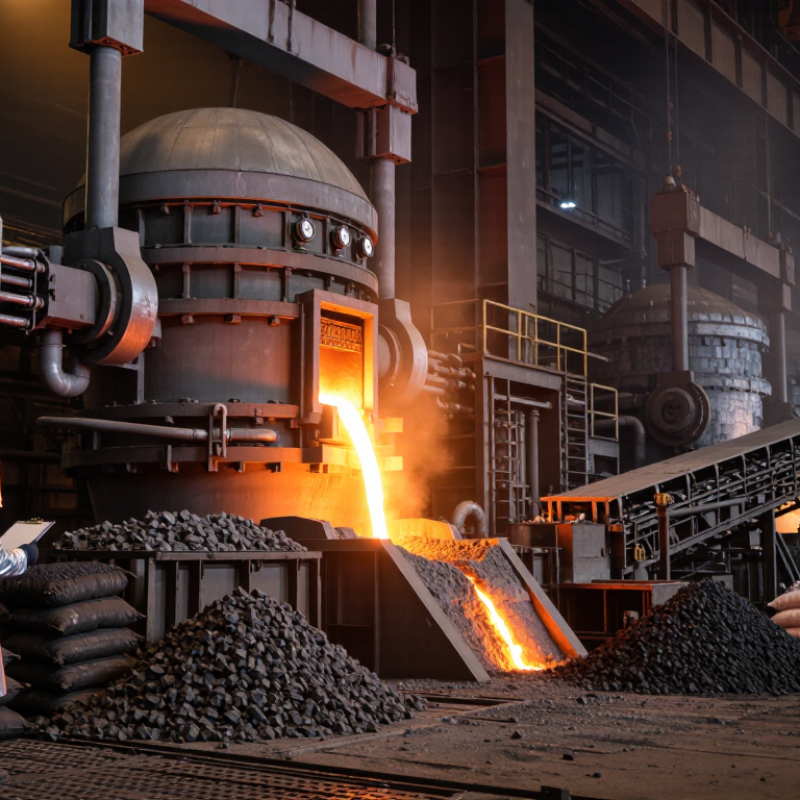
Table of Contents [Hide]
What a Chrome Iron Furnace Produces: Ferrochrome from Chromite Ore
What Is a Chrome Iron Furnace Used For?
A chrome iron furnace converts chromite ore into ferrochrome, an alloy used to add chromium to steel. In a submerged arc furnace, operators combine chromite with a carbon reductant and flux. Electric heat drives reduction, separating molten ferrochrome from a lighter slag. The alloy is tapped into molds or cast into solid pieces for later processing. That is the core job. Feed moisture and particle size can disrupt furnace stability, and their effects are easy to underestimate.
Ferrochrome matters because chromium helps steel resist corrosion and withstand demanding service. The U.S. Geological Survey’s Mineral Commodity Summaries 2024 estimated global chromite mine production at about 41 million metric tons in 2023. The report also identifies stainless steel and other alloys among chromium’s key uses. The figure describes mined chromite, not ferrochrome output; grades and processing losses vary. In practical terms, ore quality influences how much alloy a furnace can produce and how much energy it consumes.
Tips: Check ore chemistry, moisture, and sizing before charging. Keep reductant and flux additions under careful control. A small imbalance can change slag behavior, raise energy use, or leave more chromium in the waste stream. Furnace data helps, but it does not replace skilled observation.





