


- Home
- A-Z Catalogue
- Products
- Valves
- Cetop
- Manual Directional Valves
- Proportional Valves
- Poppet Valves
- High-Speed Linear Servo Valves
- All High-Speed Linear Servo Valves
- Cetop 10 (NG32) Two Stage Type High Speed Linear Servo Valves – LSVHG-10
- Cetop 10 (NG32) Two Stage Type High Speed Linear Servo Valves – LSVHG-10 (With Fail-Safe)
- Cetop 8 (NG25) Two Stage Type High Speed Linear Servo Valves – LSVHG-06
- Cetop 8 (NG25) Two Stage Type High Speed Linear Servo Valves – LSVHG-06 (With Fail-Safe)
- Cetop 7 (NG16) Two Stage Type High Speed Linear Servo Valves – LSVHG-04
- Cetop 7 (NG16) Two Stage Type High Speed Linear Servo Valves – LSVHG-04 (With Fail-Safe)
- Cetop 5 (NG10) Direct Type High Speed Linear Servo Valves – LSVG-03
- Cetop 5 (NG10) OBE Type Direct Operated Linear Servo Valves – LSVG-03-EH
- Cetop 3 (NG6) OBE Type Direct Operated Linear Servo Valves – LSVG-01-EH
- Pumps
- Pressure control
- Flow Control Valves
- Pressure Control Valves
- All Pressure Control Valves
- Brake Valves
- Direct Relief Valve
- Low Noise Solenoid Controlled Relief Valves
- Low Noise Pilot Operated Relief Valves
- Pilot Operated Relief Valves
- Pressure reducing and relieving valves
- Pressure reducing and check valves
- Pressure control valves
- Remote Control Relief Valves
- Solenoid Controlled Relief Valves – BSG
- Solenoid Controlled Relief Valves – BST
- Unloading relief valves
- Check valves
- Environmental
- Valves
- Hydraulic Systems
- Power pack
- About Us
- Contact
- Blog

How to Choose the Right Hydraulic Power Unit for Your Needs?
Choosing the right hydraulic power unit is crucial for various applications. These units provide the necessary power for machines and tools. With many options available, making an informed decision can be daunting.
The selection process should consider specific needs. Factors like load capacity, pressure requirements, and environment matter. Not all hydraulic power units are created equal. Some may not perform well in certain conditions, and that can lead to frustration.
Keep in mind that some units may not suit your application. It is important to evaluate your requirements carefully. Seek advice if necessary, and don't rush. An informed choice will lead to better efficiency and cost savings.
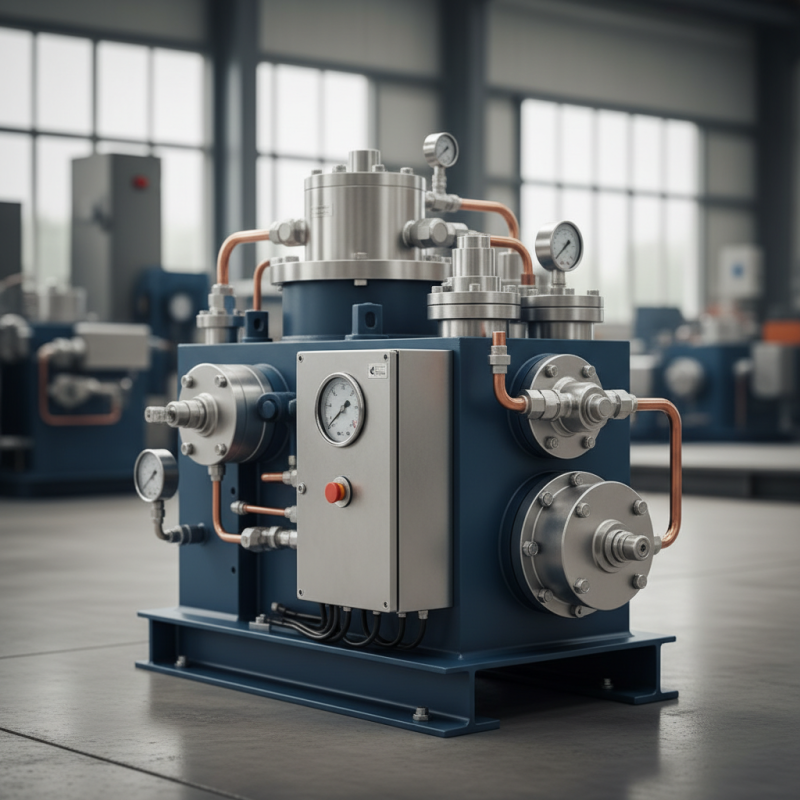
Table of Contents
[Hide]
Identifying Your Hydraulic System Requirements
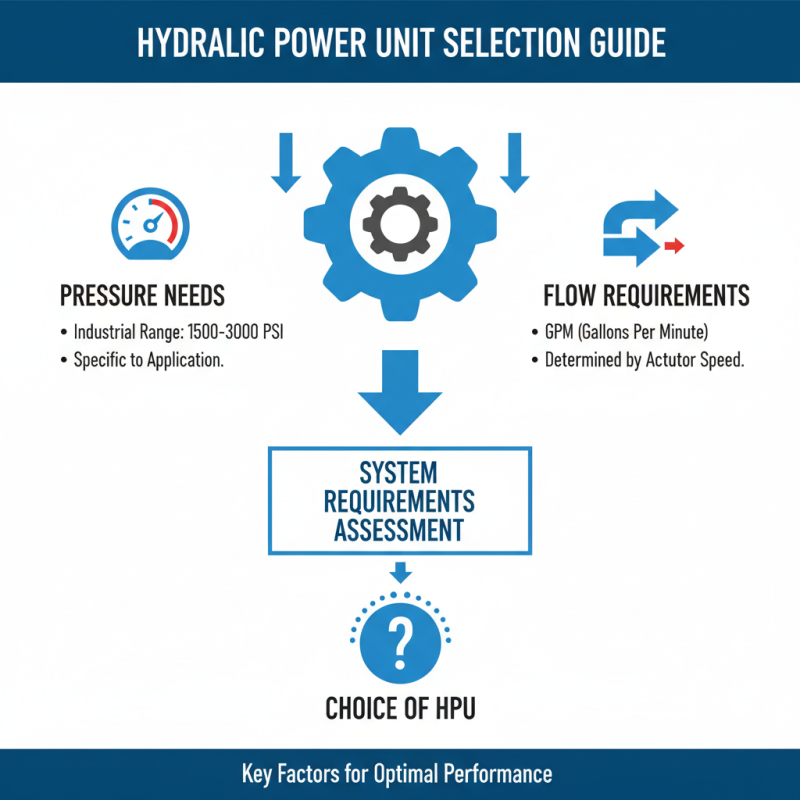
When selecting a hydraulic power unit, identifying your system requirements is crucial. Assess the application’s pressure and flow needs. Typically, a system requires a specific pressure range, often between 1500 to 3000 PSI for industrial applications. Understanding these parameters will steer your decision-making process.
Consider the environment where the unit will operate. Will it be in a dusty area or exposed to extreme temperatures? These factors can influence the type of hydraulic unit you need. For instance, moisture resistance becomes vital in outdoor applications. According to industry data, around 20% of hydraulic failures can be traced to improper environmental conditions.
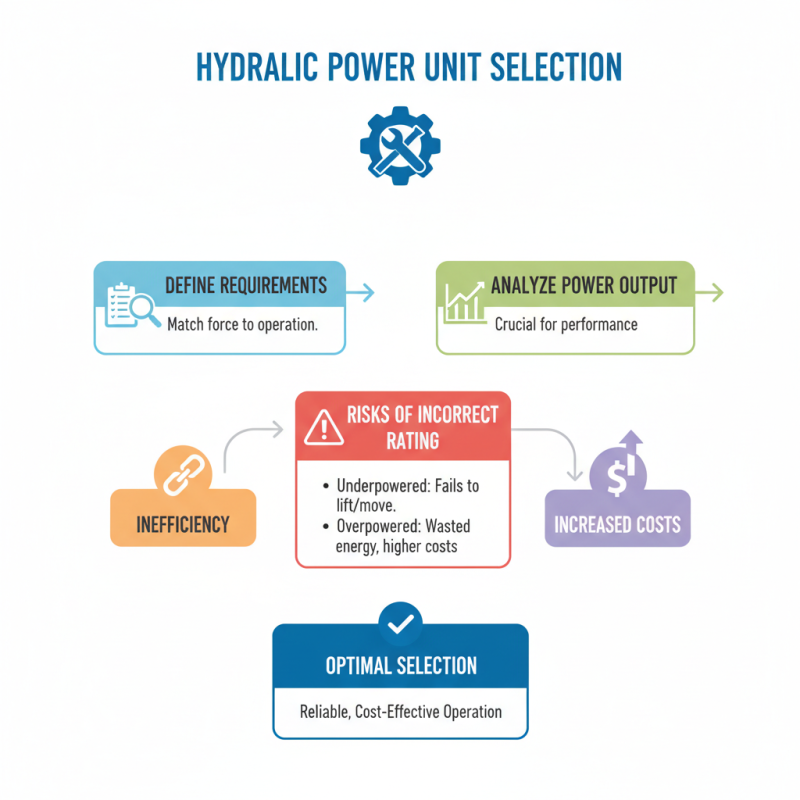
**Tip:** Always calculate the peak demand for flow. This prevents under-sizing the unit, which can lead to inefficiencies. Over-sizing can waste energy and increase costs. It's a fine balance, and gathering data from your existing systems can help clarify this.
Additionally, assess serviceability. Components that are difficult to access can complicate repairs, leading to downtime. A simpler design can often lead to lower long-term costs and better reliability. Regular maintenance checks enhance performance, contributing to the longevity of the hydraulic unit.
Related Posts
-
How to Choose the Right Hydraulic Power Unit for Your Needs in 2026?
-

Best Hydraulic Power Unit for Your Needs in 2023
-
10 Essential Tips for Maintaining an Efficient Hydraulic System
-
10 Essential Tips for Choosing the Right Pressure Reducing Valve
-
Understanding the Role of Check Valves in Modern Industrial Systems
-
Understanding the Role of Hydraulic Valves in Modern Industrial Applications