


- Home
- A-Z Catalogue
- Products
- Valves
- Cetop
- Manual Directional Valves
- Proportional Valves
- Poppet Valves
- High-Speed Linear Servo Valves
- All High-Speed Linear Servo Valves
- Cetop 10 (NG32) Two Stage Type High Speed Linear Servo Valves – LSVHG-10
- Cetop 10 (NG32) Two Stage Type High Speed Linear Servo Valves – LSVHG-10 (With Fail-Safe)
- Cetop 8 (NG25) Two Stage Type High Speed Linear Servo Valves – LSVHG-06
- Cetop 8 (NG25) Two Stage Type High Speed Linear Servo Valves – LSVHG-06 (With Fail-Safe)
- Cetop 7 (NG16) Two Stage Type High Speed Linear Servo Valves – LSVHG-04
- Cetop 7 (NG16) Two Stage Type High Speed Linear Servo Valves – LSVHG-04 (With Fail-Safe)
- Cetop 5 (NG10) Direct Type High Speed Linear Servo Valves – LSVG-03
- Cetop 5 (NG10) OBE Type Direct Operated Linear Servo Valves – LSVG-03-EH
- Cetop 3 (NG6) OBE Type Direct Operated Linear Servo Valves – LSVG-01-EH
- Pumps
- Pressure control
- Flow Control Valves
- Pressure Control Valves
- All Pressure Control Valves
- Brake Valves
- Direct Relief Valve
- Low Noise Solenoid Controlled Relief Valves
- Low Noise Pilot Operated Relief Valves
- Pilot Operated Relief Valves
- Pressure reducing and relieving valves
- Pressure reducing and check valves
- Pressure control valves
- Remote Control Relief Valves
- Solenoid Controlled Relief Valves – BSG
- Solenoid Controlled Relief Valves – BST
- Unloading relief valves
- Check valves
- Environmental
- Valves
- Hydraulic Systems
- Power pack
- About Us
- Contact
- Blog

How to Choose the Right Hydraulic Power Pack for Your Needs?
Choosing the right hydraulic power pack is crucial for efficiency and performance in various industrial applications. According to a report by the Hydraulic Institute, the global hydraulic power equipment market is projected to reach over $53 billion by 2025. This growth indicates increasing reliance on hydraulic systems. Industry expert Dr. John Smith, a renowned hydraulic systems engineer, emphasizes, "Selecting the correct hydraulic power pack can significantly influence the effectiveness of your operations."
Hydraulic power packs serve diverse functions, from powering machinery to supplying hydraulic pressure for construction projects. Making informed choices about specifications, capacity, and compatibility is essential. Quality and reliability can vary widely among manufacturers. An ill-suited hydraulic power pack may lead to inefficiencies or downtime, causing frustration for users.
It is also important to consider future needs. Many businesses overlook potential expansions or changing requirements. This oversight can result in the need for replacements sooner than expected. Hence, evaluating current and future demands is vital. Ultimately, investing time in understanding how to choose the right hydraulic power pack will provide lasting benefits in operations.
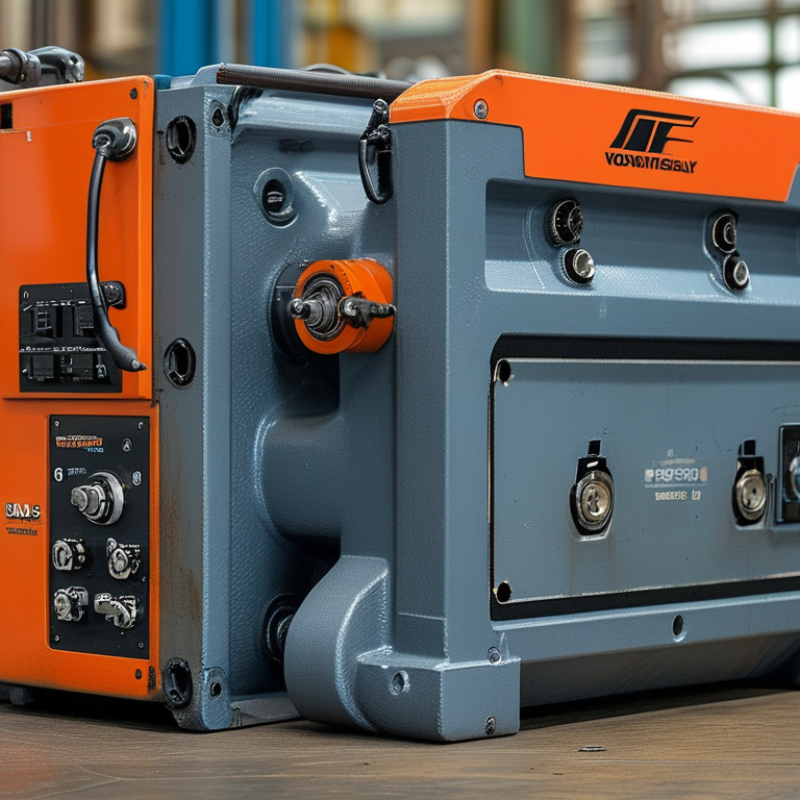
Table of Contents
[Hide]
Understanding Hydraulic Power Packs and Their Applications
Hydraulic power packs play a crucial role across various industries, including construction, manufacturing, and automotive sectors. They serve as the powerhouse, supplying hydraulic energy that drives machinery and equipment. According to the International Fluid Power Society, the global hydraulic equipment market is projected to reach $55 billion by 2025, emphasizing the importance of selecting the right power pack for specific applications.
When choosing a hydraulic power pack, consider the specifications required for your task. Assess the pressure and flow rate needed. Many applications may require pulsation dampeners or filtration to ensure smooth operation and longevity. Data from research shows that inefficient selection can lead to a 20% drop in productivity. Always look for power packs that align with your hydraulic system's needs.
Evaluate features like portability and energy efficiency too. A power pack that is too heavy may be difficult to maneuver, while an inefficient model can increase operational costs. Assess your application carefully and choose a unit that offers both adaptability and reliability.
Be mindful of maintenance needs. Neglect can lead to failures, causing costly downtimes. Regular inspections and servicing can extend the lifespan of your hydraulic power pack. A well-maintained unit contributes positively to overall efficiency.
Related Posts
-

7 Essential Tips for Mastering Hydraulic Controls in Your Projects
-
The Essential Guide to Understanding Hydraulic Power Packs in Industrial Applications
-
How to Choose the Right Hydraulic Unit for Your Industrial Needs
-

Top Hydraulic Unit Trends to Watch in 2025 for Optimal Performance
-

Why You Should Invest in a Hydraulic Unit for Efficient Machinery Operation
-
What is a Hydraulic Power Pack and How Does it Work?