


- Home
- A-Z Catalogue
- Products
- Valves
- Cetop
- Manual Directional Valves
- Proportional Valves
- Poppet Valves
- High-Speed Linear Servo Valves
- All High-Speed Linear Servo Valves
- Cetop 10 (NG32) Two Stage Type High Speed Linear Servo Valves – LSVHG-10
- Cetop 10 (NG32) Two Stage Type High Speed Linear Servo Valves – LSVHG-10 (With Fail-Safe)
- Cetop 8 (NG25) Two Stage Type High Speed Linear Servo Valves – LSVHG-06
- Cetop 8 (NG25) Two Stage Type High Speed Linear Servo Valves – LSVHG-06 (With Fail-Safe)
- Cetop 7 (NG16) Two Stage Type High Speed Linear Servo Valves – LSVHG-04
- Cetop 7 (NG16) Two Stage Type High Speed Linear Servo Valves – LSVHG-04 (With Fail-Safe)
- Cetop 5 (NG10) Direct Type High Speed Linear Servo Valves – LSVG-03
- Cetop 5 (NG10) OBE Type Direct Operated Linear Servo Valves – LSVG-03-EH
- Cetop 3 (NG6) OBE Type Direct Operated Linear Servo Valves – LSVG-01-EH
- Pumps
- Pressure control
- Flow Control Valves
- Pressure Control Valves
- All Pressure Control Valves
- Brake Valves
- Direct Relief Valve
- Low Noise Solenoid Controlled Relief Valves
- Low Noise Pilot Operated Relief Valves
- Pilot Operated Relief Valves
- Pressure reducing and relieving valves
- Pressure reducing and check valves
- Pressure control valves
- Remote Control Relief Valves
- Solenoid Controlled Relief Valves – BSG
- Solenoid Controlled Relief Valves – BST
- Unloading relief valves
- Check valves
- Environmental
- Valves
- Hydraulic Systems
- Power pack
- About Us
- Contact
- Blog

How to Choose the Right Directional Valve for Your Needs?
Choosing the right directional valve is crucial for optimal machinery performance. As hydraulic expert Dr. John Smith states, "A well-selected valve can enhance efficiency and control." Directional valves manage the flow of fluid in hydraulic systems, significantly impacting functionality.
Understanding the various types of directional valves is vital. Each type serves specific applications, and selecting the incorrect one can lead to complications. Many users often overlook these details, resulting in reduced efficiency.
Engaging with an expert can clarify options and features of directional valves. Reflecting on particular needs ensures a better fit. Knowledge about system requirements will lead to wiser choices. In the end, a small oversight can lead to costly adjustments.
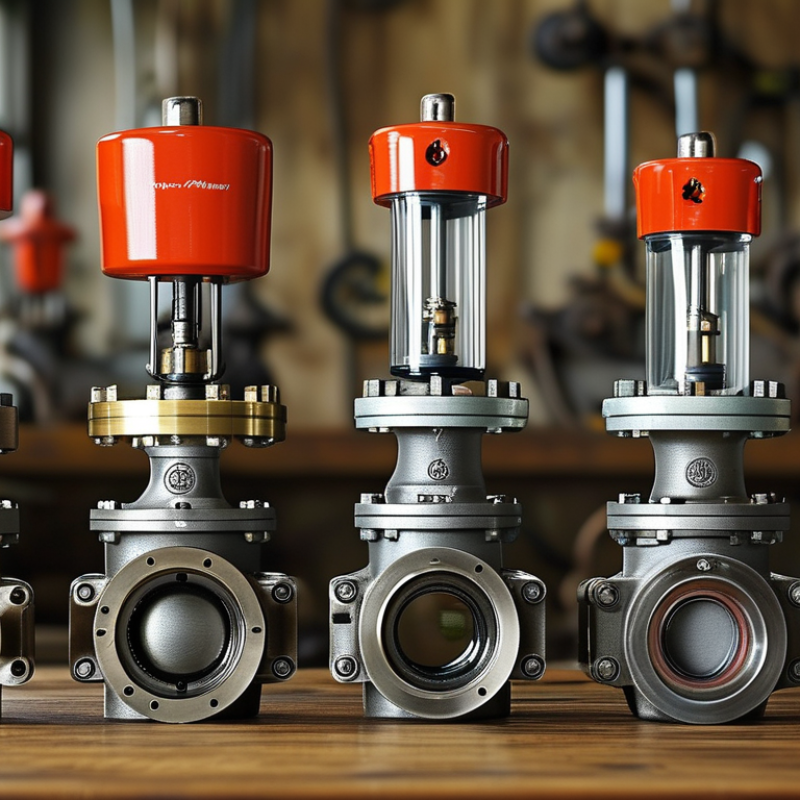
Table of Contents
[Hide]
Understanding Directional Valves and Their Applications
Directional valves play a crucial role in hydraulic systems. They control the flow direction of fluids. This functionality is essential in various applications, from industrial machinery to mobile equipment. Understanding these valves can enhance system efficiency and performance.
When selecting a directional valve, consider its application. Flow requirements vary significantly. For instance, some systems need fast actuation, while others require precision control. Each valve type has unique features. A spool-type valve may suit high-flow applications and provide quick response times. Conversely, a poppet valve often handles lower flow rates with less risk of leakage.
Evaluate factors like pressure ratings and mounting options. Compatibility with existing systems is essential. Not all valves fit every situation. A poor choice could lead to inefficiency or system failures. Take time to assess specifications and operational environments. Working closely with experts can provide valuable insights. Constantly reviewing and refining your choices will lead to better outcomes in hydraulic applications.
Related Posts
-
Maximizing Efficiency: How Directional Control Valves Transform Hydraulic Systems
-
What is a Directional Valve and How Does It Work?
-
2026 Top Hydraulic Directional Valve Trends and Innovations?
-
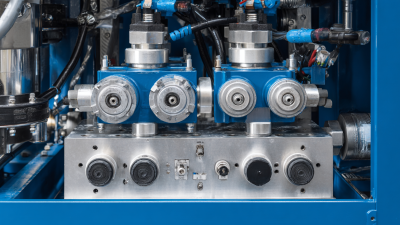
The Essential Guide to Understanding Hydraulic Power Packs in Industrial Applications
-
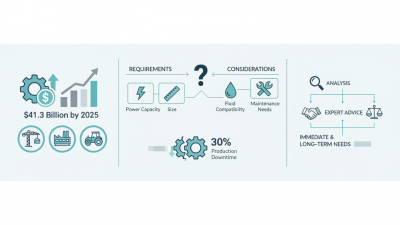
How to Choose the Right Hydraulic Unit for Your Needs?
-
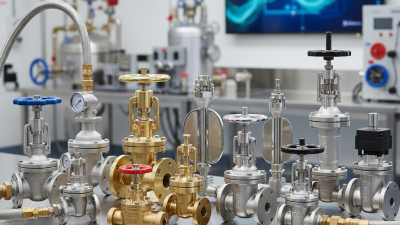
10 Best Flow Control Valves for Optimal System Performance?