


- Home
- A-Z Catalogue
- Products
- Valves
- Cetop
- Manual Directional Valves
- Proportional Valves
- Poppet Valves
- High-Speed Linear Servo Valves
- All High-Speed Linear Servo Valves
- Cetop 10 (NG32) Two Stage Type High Speed Linear Servo Valves – LSVHG-10
- Cetop 10 (NG32) Two Stage Type High Speed Linear Servo Valves – LSVHG-10 (With Fail-Safe)
- Cetop 8 (NG25) Two Stage Type High Speed Linear Servo Valves – LSVHG-06
- Cetop 8 (NG25) Two Stage Type High Speed Linear Servo Valves – LSVHG-06 (With Fail-Safe)
- Cetop 7 (NG16) Two Stage Type High Speed Linear Servo Valves – LSVHG-04
- Cetop 7 (NG16) Two Stage Type High Speed Linear Servo Valves – LSVHG-04 (With Fail-Safe)
- Cetop 5 (NG10) Direct Type High Speed Linear Servo Valves – LSVG-03
- Cetop 5 (NG10) OBE Type Direct Operated Linear Servo Valves – LSVG-03-EH
- Cetop 3 (NG6) OBE Type Direct Operated Linear Servo Valves – LSVG-01-EH
- Pumps
- Pressure control
- Flow Control Valves
- Pressure Control Valves
- All Pressure Control Valves
- Brake Valves
- Direct Relief Valve
- Low Noise Solenoid Controlled Relief Valves
- Low Noise Pilot Operated Relief Valves
- Pilot Operated Relief Valves
- Pressure reducing and relieving valves
- Pressure reducing and check valves
- Pressure control valves
- Remote Control Relief Valves
- Solenoid Controlled Relief Valves – BSG
- Solenoid Controlled Relief Valves – BST
- Unloading relief valves
- Check valves
- Environmental
- Valves
- Hydraulic Systems
- Power pack
- About Us
- Contact
- Blog

How to Choose the Best Safety Hand Gloves in 2026?
Choosing the right Safety Hand Gloves in 2026 requires more than comparing product photos and prices. The best choice begins with the actual task, the workplace, and the hazards your hands face each day. A warehouse worker handling sharp sheet metal needs different protection from a technician gripping oily bolts or working near moderate heat.
Look closely at cut resistance, puncture protection, grip performance, dexterity, breathability, and cuff length. A glove may feel comfortable during a five-minute trial, yet become stiff after hours of repeated movement. I have seen workers remove gloves because sweaty palms reduced control, creating a risk the original product choice did not address. Comfort matters. So does discipline.
No glove solves every hazard.
Reliable selection should combine workplace risk assessments, manufacturer test data, relevant regional standards, and feedback from experienced users. Check whether the stated protection matches the material, motion, temperature, and exposure time involved. A high-rated glove is not automatically the safest option for every job. Thick fabric can protect against cuts but limit fingertip control near small components.
This guide examines practical selection criteria for 2026, including emerging materials, recyclable options, touchscreen compatibility, and improved ergonomic designs. It also questions common buying habits, because attractive claims can hide limitations. Before choosing, inspect the task carefully, test suitable sizes, and replace gloves showing thinning, tears, contamination, or reduced grip. Small details often decide whether hand protection works in real conditions.
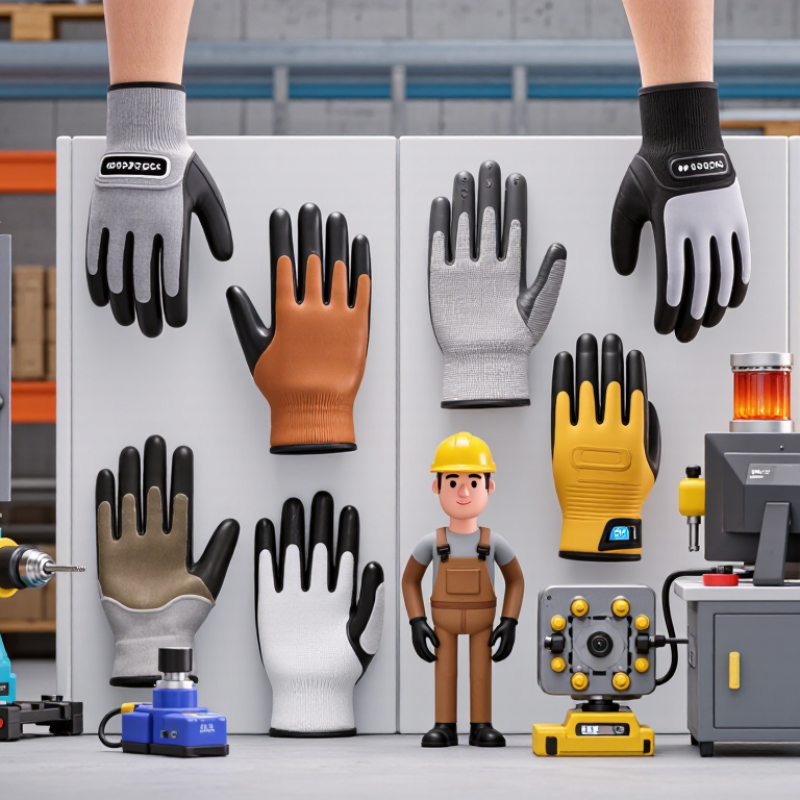
Table of Contents [Hide]
Define the Workplace Hazards and Required Hand Protection
How to Choose the Best Safety Hand Gloves in 2026?
Start with the hazard, not the glove color. OSHA estimates that hand injuries account for about 20% of workplace injuries. A sharp metal edge needs cut resistance, while a rough casting may need abrasion and puncture protection. Chemicals require verified resistance for the exact substance and exposure time. Heat work also needs thermal protection, not simply thick fabric. Check the task, contact duration, force, temperature, and movement before selecting protection. A glove that passes one test may fail another.
OSHA estimates that hand injuries account for about 20% of workplace injuries.
Bureau of Labor Statistics data continue to rank the hands among frequently injured body parts in workplace incidents. The Liberty Mutual Workplace Safety Index estimated that serious U.S. workplace injuries cost employers $58.5 billion in 2022. That figure makes poor glove selection expensive. In practice, watch how workers use their hands. A loose cuff can catch on equipment. A stiff coating can reduce grip. Wet surfaces expose weaknesses quickly. I have seen workers remove safe gloves because they felt uncomfortable. That behavior needs attention, not blame.
Tips: Match the glove’s tested standard to the hazard. Inspect palms, fingertips, seams, and cuffs before each shift. Replace gloves after chemical contact, visible damage, or lost grip. Ask workers to handle a sample tool while wearing them. Their feedback may reveal a problem that laboratory ratings miss.