


- Home
- A-Z Catalogue
- Products
- Valves
- Cetop
- Manual Directional Valves
- Proportional Valves
- Poppet Valves
- High-Speed Linear Servo Valves
- All High-Speed Linear Servo Valves
- Cetop 10 (NG32) Two Stage Type High Speed Linear Servo Valves – LSVHG-10
- Cetop 10 (NG32) Two Stage Type High Speed Linear Servo Valves – LSVHG-10 (With Fail-Safe)
- Cetop 8 (NG25) Two Stage Type High Speed Linear Servo Valves – LSVHG-06
- Cetop 8 (NG25) Two Stage Type High Speed Linear Servo Valves – LSVHG-06 (With Fail-Safe)
- Cetop 7 (NG16) Two Stage Type High Speed Linear Servo Valves – LSVHG-04
- Cetop 7 (NG16) Two Stage Type High Speed Linear Servo Valves – LSVHG-04 (With Fail-Safe)
- Cetop 5 (NG10) Direct Type High Speed Linear Servo Valves – LSVG-03
- Cetop 5 (NG10) OBE Type Direct Operated Linear Servo Valves – LSVG-03-EH
- Cetop 3 (NG6) OBE Type Direct Operated Linear Servo Valves – LSVG-01-EH
- Pumps
- Pressure control
- Flow Control Valves
- Pressure Control Valves
- All Pressure Control Valves
- Brake Valves
- Direct Relief Valve
- Low Noise Solenoid Controlled Relief Valves
- Low Noise Pilot Operated Relief Valves
- Pilot Operated Relief Valves
- Pressure reducing and relieving valves
- Pressure reducing and check valves
- Pressure control valves
- Remote Control Relief Valves
- Solenoid Controlled Relief Valves – BSG
- Solenoid Controlled Relief Valves – BST
- Unloading relief valves
- Check valves
- Environmental
- Valves
- Hydraulic Systems
- Power pack
- About Us
- Contact
- Blog

How to Choose the Best PE Coloring Masterbatch?
Choosing the right Pe Coloring Masterbatch is not simply a matter of selecting the brightest pellet. The correct option must suit the polyethylene grade, processing temperature, product design, and final use. A color that looks excellent in a supplier’s sample may appear weaker in a thin film or uneven in a molded cap.
In production, small differences matter. A slight carrier mismatch can create specks, streaks, or poor dispersion. Excessive dosage may increase cost and sometimes affect mechanical performance. The best evaluation begins with practical details: resin compatibility, recommended addition rate, pigment stability, and required color tolerance. Ask for a technical data sheet, certificate of analysis, and processing guidance. Reliable suppliers should explain their test methods instead of promising universal performance.
Test it in your process.
A controlled trial using the actual polyethylene grade can reveal more than a color card. Check melt flow, dispersion, surface appearance, odor, and color consistency after cooling. For outdoor products, include weathering data. For regulated applications, verify the relevant compliance documents rather than relying on general claims. Standards and market requirements can differ by region.
There is no flawless masterbatch for every application. Even careful testing can miss a problem when production conditions change. That is why records, repeat trials, and supplier communication remain important. This guide explores how to compare Pe Coloring Masterbatch options with practical judgment, technical evidence, and a willingness to question attractive but incomplete specifications.
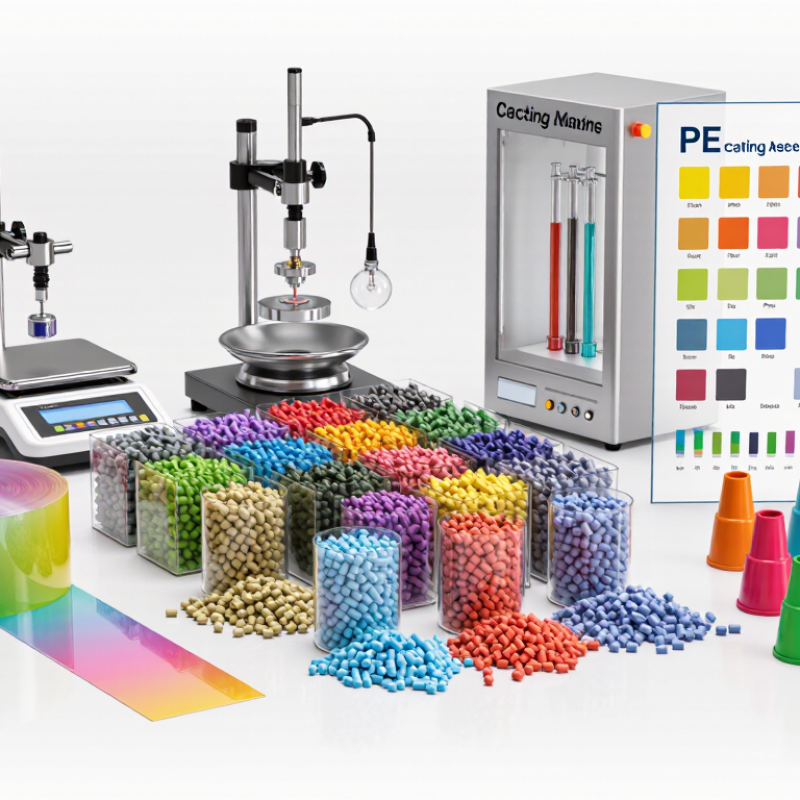
Table of Contents [Hide]
Understanding PE Coloring Masterbatch and Its Main Functions
How to Choose the Best PE Coloring Masterbatch?
PE coloring masterbatch is a concentrated blend of pigments, additives, and polyethylene carrier resin. It gives films, bottles, pipes, and molded parts consistent color during processing. Its main functions include coloring, improving dispersion, and sometimes supporting UV resistance or processing stability. Plastics Europe reported 413.8 million tonnes of global plastics production in 2023, showing the scale of demand for reliable color control. Still, color is not only an appearance issue. Poor dispersion can create streaks, weak spots, or unstable shade.
In production trials, I check the carrier compatibility before judging the pigment. A masterbatch designed for PE should melt within the process window and avoid excessive pressure or filter blockage. Pigment loading also matters. Too much pigment may increase cost and reduce mechanical performance. According to Grand View Research, the global masterbatch market was valued at approximately USD 12.7 billion in 2023, reflecting strong demand for functional and decorative concentrates. However, market growth does not guarantee every formulation will suit your equipment. That part requires testing.
Tips: Compare a molded sample under daylight and indoor lighting. Measure color with a spectrophotometer, not only by eye. Test the final dilution ratio, melt temperature, screw speed, and recycled content. Keep one approved reference plaque. A perfect match is rarely perfect. In my view, that is where many purchasing decisions become too optimistic. A small trial can reveal odor, migration, or shade drift before full production.