


- Home
- A-Z Catalogue
- Products
- Valves
- Cetop
- Manual Directional Valves
- Proportional Valves
- Poppet Valves
- High-Speed Linear Servo Valves
- All High-Speed Linear Servo Valves
- Cetop 10 (NG32) Two Stage Type High Speed Linear Servo Valves – LSVHG-10
- Cetop 10 (NG32) Two Stage Type High Speed Linear Servo Valves – LSVHG-10 (With Fail-Safe)
- Cetop 8 (NG25) Two Stage Type High Speed Linear Servo Valves – LSVHG-06
- Cetop 8 (NG25) Two Stage Type High Speed Linear Servo Valves – LSVHG-06 (With Fail-Safe)
- Cetop 7 (NG16) Two Stage Type High Speed Linear Servo Valves – LSVHG-04
- Cetop 7 (NG16) Two Stage Type High Speed Linear Servo Valves – LSVHG-04 (With Fail-Safe)
- Cetop 5 (NG10) Direct Type High Speed Linear Servo Valves – LSVG-03
- Cetop 5 (NG10) OBE Type Direct Operated Linear Servo Valves – LSVG-03-EH
- Cetop 3 (NG6) OBE Type Direct Operated Linear Servo Valves – LSVG-01-EH
- Pumps
- Pressure control
- Flow Control Valves
- Pressure Control Valves
- All Pressure Control Valves
- Brake Valves
- Direct Relief Valve
- Low Noise Solenoid Controlled Relief Valves
- Low Noise Pilot Operated Relief Valves
- Pilot Operated Relief Valves
- Pressure reducing and relieving valves
- Pressure reducing and check valves
- Pressure control valves
- Remote Control Relief Valves
- Solenoid Controlled Relief Valves – BSG
- Solenoid Controlled Relief Valves – BST
- Unloading relief valves
- Check valves
- Environmental
- Valves
- Hydraulic Systems
- Power pack
- About Us
- Contact
- Blog

How to Choose the Best Mining Dredge for Your Project
Choosing a Mining Dredge is not just a matter of comparing pump sizes or purchase prices. The right machine must match the material, water depth, production target, and conditions at your site. Fine sand behaves differently from compacted clay, while gravel can increase wear on pumps and pipelines. Small details matter. A narrow access channel, changing water levels, or long discharge route can affect daily output. Before comparing models, gather reliable site data, including sediment samples, water depth, expected operating hours, and the distance material must travel. Estimates help, but measured conditions are better.
This guide explains how to assess dredge types, capacity, power requirements, mobility, maintenance needs, and total operating costs. Compare manufacturer specifications carefully, and ask how performance figures were tested. A stated production rate may depend on material and site conditions that do not match yours. Request references from projects with similar sediment and operating environments. Check access to wear parts and local service support, too. A lower initial price can become expensive if repairs cause long delays. No choice is perfect. A model that looks ideal on paper may struggle with a variable feed or limited water depth. Leave room for uncertainty, and confirm key assumptions with qualified suppliers or engineers before committing. The goal is a dependable fit, not the biggest machine or the boldest promise.
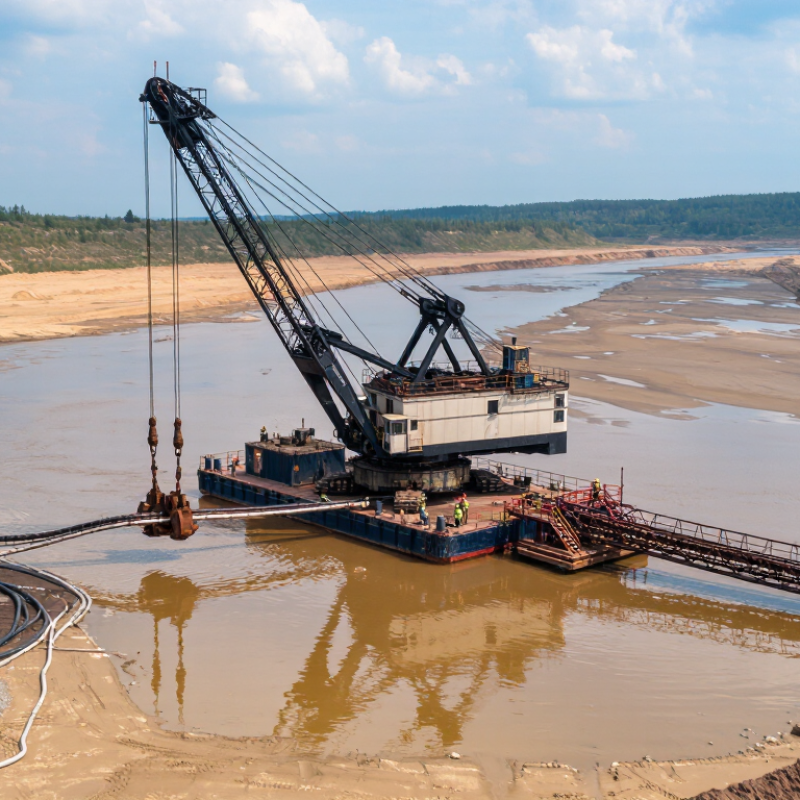
Table of Contents [Hide]
Define the Mining Project’s Requirements and Site Conditions
Before comparing dredges, define the material, target production rate, and required operating depth. Fine sand behaves differently from compact gravel or clay. Estimate how much material must move per hour, not just per day. Include expected downtime for maintenance and changing water levels. Small details matter.
Map the site conditions where the equipment will actually work. Record water depth, channel width, bottom slope, and distance to the discharge area. Note whether access is limited by narrow banks, soft ground, or overhead structures. Measure seasonal changes too. A calm survey in dry weather may not reflect the wet season.
Check the material with samples from several locations. A single test pit can miss buried cobbles, debris, or layers of dense sediment. These differences affect cutter choice, pump capacity, and wear-part life. Consider power availability, fuel delivery, crew skills, and space for pipes or support equipment. Put these needs in writing. Then compare them with realistic operating limits, rather than a supplier’s best-case figures. One uncertainty will remain; mark it clearly and plan a site test before making a final selection.





