


- Home
- A-Z Catalogue
- Products
- Valves
- Cetop
- Manual Directional Valves
- Proportional Valves
- Poppet Valves
- High-Speed Linear Servo Valves
- All High-Speed Linear Servo Valves
- Cetop 10 (NG32) Two Stage Type High Speed Linear Servo Valves – LSVHG-10
- Cetop 10 (NG32) Two Stage Type High Speed Linear Servo Valves – LSVHG-10 (With Fail-Safe)
- Cetop 8 (NG25) Two Stage Type High Speed Linear Servo Valves – LSVHG-06
- Cetop 8 (NG25) Two Stage Type High Speed Linear Servo Valves – LSVHG-06 (With Fail-Safe)
- Cetop 7 (NG16) Two Stage Type High Speed Linear Servo Valves – LSVHG-04
- Cetop 7 (NG16) Two Stage Type High Speed Linear Servo Valves – LSVHG-04 (With Fail-Safe)
- Cetop 5 (NG10) Direct Type High Speed Linear Servo Valves – LSVG-03
- Cetop 5 (NG10) OBE Type Direct Operated Linear Servo Valves – LSVG-03-EH
- Cetop 3 (NG6) OBE Type Direct Operated Linear Servo Valves – LSVG-01-EH
- Pumps
- Pressure control
- Flow Control Valves
- Pressure Control Valves
- All Pressure Control Valves
- Brake Valves
- Direct Relief Valve
- Low Noise Solenoid Controlled Relief Valves
- Low Noise Pilot Operated Relief Valves
- Pilot Operated Relief Valves
- Pressure reducing and relieving valves
- Pressure reducing and check valves
- Pressure control valves
- Remote Control Relief Valves
- Solenoid Controlled Relief Valves – BSG
- Solenoid Controlled Relief Valves – BST
- Unloading relief valves
- Check valves
- Environmental
- Valves
- Hydraulic Systems
- Power pack
- About Us
- Contact
- Blog

How to Choose the Best Flame Laminating Machine?
Choosing the best Flame Laminating Machine requires more than comparing prices or glossy specifications. The right equipment must match your materials, production volume, adhesive needs, and working environment. A machine designed for upholstery foam may perform poorly with delicate textiles or uneven substrates. Practical experience shows that small differences in flame stability can affect bonding strength, surface appearance, and material waste.
Look closely at heating control, conveyor speed, burner design, and cooling performance. Ask whether operators can adjust the flame precisely while monitoring fabric movement. A clear control panel helps during long production runs. Reliable safety systems matter, including automatic shutoff, ventilation compatibility, and accessible emergency controls. Request test samples using your actual foam, fabric, or composite materials. A showroom demonstration may look excellent, but factory conditions are rarely so perfect.
Do not trust one number.
Maintenance access also deserves attention. Burners, filters, rollers, and sensors should be easy to inspect and replace. Confirm the supplier’s training, spare-parts availability, warranty terms, and technical response time. Relevant certifications can support confidence, but they should not replace independent testing and operator feedback. A lower purchase price may become expensive after repeated downtime or inconsistent lamination.
There is no universal “best” machine. Sometimes, a slightly slower model produces more stable results and fewer rejected rolls. That trade-off can be difficult to notice at first. This guide explains the main selection criteria, helping buyers compare performance, safety, reliability, and long-term operating value with clearer judgment.
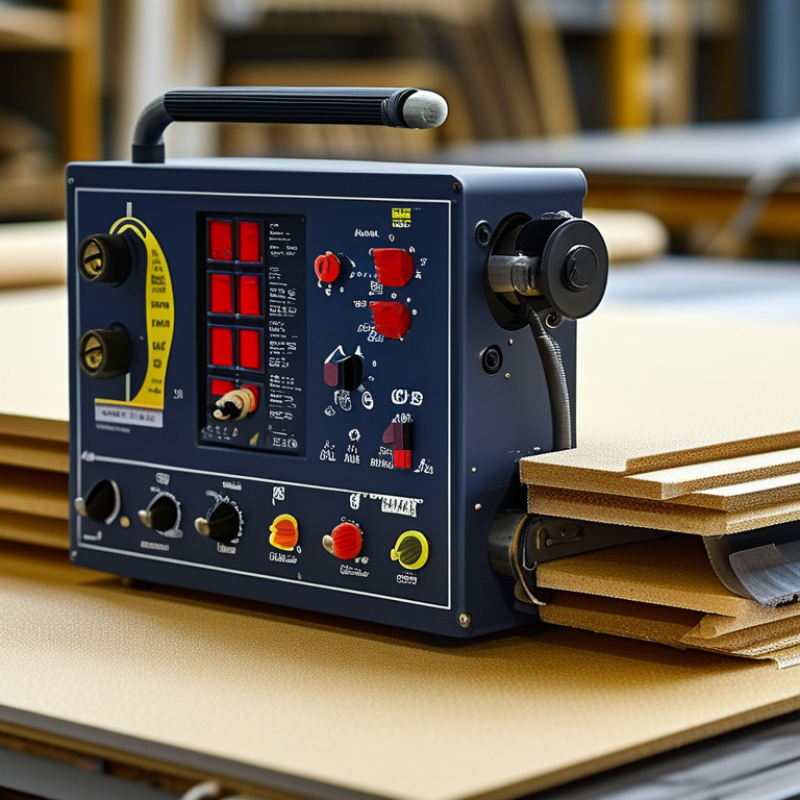
Table of Contents [Hide]
Define Flame Lamination: 800–1,200°C Heat and 10–100 m/min Line Speeds
How to Choose the Best Flame Laminating Machine?
Flame lamination bonds foam to fabric through controlled surface melting. The flame zone commonly reaches 800–1,200°C, while production speeds range from 10–100 m/min. These figures describe operating capability, not guaranteed output. The European Commission’s 2022 Textile Industry BREF stresses controlled thermal processing, ventilation, and energy monitoring. Therefore, evaluate burner stability, exhaust design, and heat distribution before comparing speed ratings.
A 100 m/min machine may look efficient, but it can reduce bonding quality on dense foam or coated textiles. At 10–30 m/min, operators gain longer contact time and better process control. Trial results matter more than catalogue numbers. Check peel strength, foam shrinkage, surface scorching, and adhesive-free bonding consistency across the full fabric width. The International Energy Agency’s industrial efficiency research also links thermal performance with insulation, heat recovery, and precise process control.
Ask for test data at your actual fabric weight, foam density, and line tension. Small details matter. A flame sensor should respond quickly to pressure changes. Automatic gap control can protect uneven materials. NFPA 86 guidance highlights safeguards for thermal processing equipment, including ignition control and emergency shutdowns. I would not select a machine from temperature alone. A stable 850°C process may outperform an unstable 1,200°C setting, especially when operators change materials during a busy shift.
How to Choose the Best Flame Laminating Machine? - Define Flame Lamination: 800–1,200°C Heat and 10–100 m/min Line Speeds
A practical comparison guide for selecting equipment according to material structure, production speed, bonding requirements, and process control.
| Selection Dimension | Typical Data or Range | Why It Matters | Recommended Selection Guidance |
|---|---|---|---|
| Flame Temperature | 800–1,200°C at the visible flame zone | The flame must soften or activate the polymer surface without excessive melting, shrinkage, discoloration, or substrate damage. | Choose a system with adjustable gas-to-air control, stable combustion, and a burner width suitable for the working width. |
| Line Speed | 10–100 m/min; actual speed depends on material, flame intensity, and bond requirements | Higher speeds increase output but reduce exposure time, requiring accurate flame positioning and consistent web tension. | Select a machine with variable-speed drive, synchronized unwinding and rewinding, and a stable low-speed setting for trials. |
| Flame Exposure Time | Normally controlled by line speed, burner-to-web distance, and effective flame width | Exposure that is too short may produce weak adhesion, while excessive exposure can deform or burn the surface. | Prioritize adjustable burner distance and repeatable process settings rather than relying on temperature alone. |
| Suitable Materials | Commonly used with thermoplastic films, foams, textiles, nonwovens, and other polymer-based substrates | Different polymers respond differently to heat and oxidation; some materials require surface activation before bonding. | Confirm the melting range, shrinkage behavior, thickness, and heat sensitivity of every material combination before production. |
| Material Thickness | Thin films and fabrics require lower heat input; thicker foams and laminates generally require longer or stronger treatment | Thickness affects heat transfer, web stability, and the amount of energy needed to achieve a uniform bond. | Choose a machine with fine flame adjustment and adequate nip-pressure control for the planned thickness range. |
| Working Width | Common industrial configurations range from narrow laboratory widths to wide production webs | The burner, laminating nip, rollers, and winding section must cover the usable web width without uneven edge treatment. | Specify the maximum material width, trim allowance, and future product width before choosing the frame and burner size. |
| Bonding Method | Flame lamination commonly uses direct flame activation followed by pressure bonding in a laminating nip | Controlled heat activation can improve bonding without adding a separate liquid or hot-melt adhesive layer. | Evaluate the nip geometry, roller covering, pressure adjustment, and cooling path together with the burner system. |
| Nip Pressure | Adjustable pressure is preferred; the correct setting depends on material compressibility and surface structure | Insufficient pressure can cause incomplete contact, while excessive pressure may crush foam or distort textiles. | Use independently adjustable nip pressure and verify bond uniformity across the full web width. |
| Web Tension Control | Stable, low-variation tension is essential for films, elastic materials, lightweight fabrics, and foams | Uneven tension can cause wrinkles, telescoping rolls, stretching, registration errors, and variable bond strength. | Look for tension sensors, dancer or load-cell control, and synchronized drive settings on both unwind and rewind sections. |
| Gas and Air Supply | Usually requires a controlled fuel-gas supply, combustion air, pressure regulation, and monitored safety shutoff | Flame stability and process repeatability depend on consistent gas pressure, air ratio, and burner maintenance. | Confirm local fuel-gas compatibility, pressure requirements, ventilation design, leak detection, and emergency shutoff functions. |
| Temperature Monitoring | Infrared or other non-contact monitoring may be used to track web or surface temperature | Flame temperature and substrate temperature are not the same; monitoring the material helps prevent overheating. | Prefer closed-loop monitoring where practical, especially for thin films, coated fabrics, and heat-sensitive foams. |
| Exhaust and Ventilation | Required to remove combustion products, fumes, and process vapors generated during heating | Proper extraction supports operator safety, flame stability, and cleaner production conditions. | Design exhaust capacity around the burner, material chemistry, production speed, and local workplace-safety requirements. |
| Control System | Key variables typically include line speed, burner output, gas pressure, air ratio, nip pressure, and web tension | Centralized controls make it easier to reproduce qualified settings and identify process changes. | Choose recipe storage, alarm history, access control, and clear displays for the variables most important to the product. |
| Safety Functions | Important functions include flame-failure detection, automatic fuel shutoff, emergency stops, guarding, and interlocks | Open-flame equipment presents combustion, heat, and moving-web hazards that require engineered safeguards. | Verify compliance with applicable local machinery, gas, electrical, fire, and occupational-safety requirements. |
| Production Quality Check | Evaluate peel strength, visual uniformity, delamination, wrinkles, shrinkage, and surface damage | A high line speed does not guarantee a usable product if the bond is inconsistent or the substrate is damaged. | Run trials across the intended speed range and test samples after conditioning, not only immediately after lamination. |
| Best-Fit Machine Profile | Variable-speed operation, adjustable burner output, stable tension control, controllable nip pressure, and complete safety monitoring | These features provide flexibility for different material combinations and production conditions. | Choose the machine based on validated trial results and total operating requirements, not on maximum speed alone. |
Important: The listed temperature and speed ranges are practical selection references, not universal operating settings. Final parameters must be established through material trials, equipment commissioning, safety assessment, and applicable local regulations.