


- Home
- A-Z Catalogue
- Products
- Valves
- Cetop
- Manual Directional Valves
- Proportional Valves
- Poppet Valves
- High-Speed Linear Servo Valves
- All High-Speed Linear Servo Valves
- Cetop 10 (NG32) Two Stage Type High Speed Linear Servo Valves – LSVHG-10
- Cetop 10 (NG32) Two Stage Type High Speed Linear Servo Valves – LSVHG-10 (With Fail-Safe)
- Cetop 8 (NG25) Two Stage Type High Speed Linear Servo Valves – LSVHG-06
- Cetop 8 (NG25) Two Stage Type High Speed Linear Servo Valves – LSVHG-06 (With Fail-Safe)
- Cetop 7 (NG16) Two Stage Type High Speed Linear Servo Valves – LSVHG-04
- Cetop 7 (NG16) Two Stage Type High Speed Linear Servo Valves – LSVHG-04 (With Fail-Safe)
- Cetop 5 (NG10) Direct Type High Speed Linear Servo Valves – LSVG-03
- Cetop 5 (NG10) OBE Type Direct Operated Linear Servo Valves – LSVG-03-EH
- Cetop 3 (NG6) OBE Type Direct Operated Linear Servo Valves – LSVG-01-EH
- Pumps
- Pressure control
- Flow Control Valves
- Pressure Control Valves
- All Pressure Control Valves
- Brake Valves
- Direct Relief Valve
- Low Noise Solenoid Controlled Relief Valves
- Low Noise Pilot Operated Relief Valves
- Pilot Operated Relief Valves
- Pressure reducing and relieving valves
- Pressure reducing and check valves
- Pressure control valves
- Remote Control Relief Valves
- Solenoid Controlled Relief Valves – BSG
- Solenoid Controlled Relief Valves – BST
- Unloading relief valves
- Check valves
- Environmental
- Valves
- Hydraulic Systems
- Power pack
- About Us
- Contact
- Blog

How to Choose the Best Commercial Lifts?
Choosing the right Commercial Lifts is not simply a matter of comparing prices or cabin finishes. A lift that looks impressive in a brochure may struggle with pallet dimensions, peak-hour traffic, or frequent loading cycles. Start with what the building moves: people, goods, carts, or a mix of all three. Record typical and maximum loads, travel distance, door clearances, and how often each trip occurs. Small details matter. A 100-millimeter clearance issue can affect handling every day.
The best choice also depends on site conditions and long-term operation. Check available shaft space, pit depth, headroom, power supply, environmental exposure, and access for maintenance. Ask suppliers to explain rated capacity, speed, control options, safety features, service intervals, and expected energy use in writing. Compare proposals on the same assumptions; otherwise, a low quote may omit essential equipment or service. That is not enough. Consider installation disruption, spare-parts availability, local technical support, and the cost of downtime, not only purchase price. Requirements differ by building and use, so confirm technical details with a qualified lift professional and the relevant local authorities. This guide explains how to assess these factors, compare lift types, and choose a solution that fits real operating needs. Even a careful plan can miss something. Review it with the people who load, maintain, and use the lift before committing.
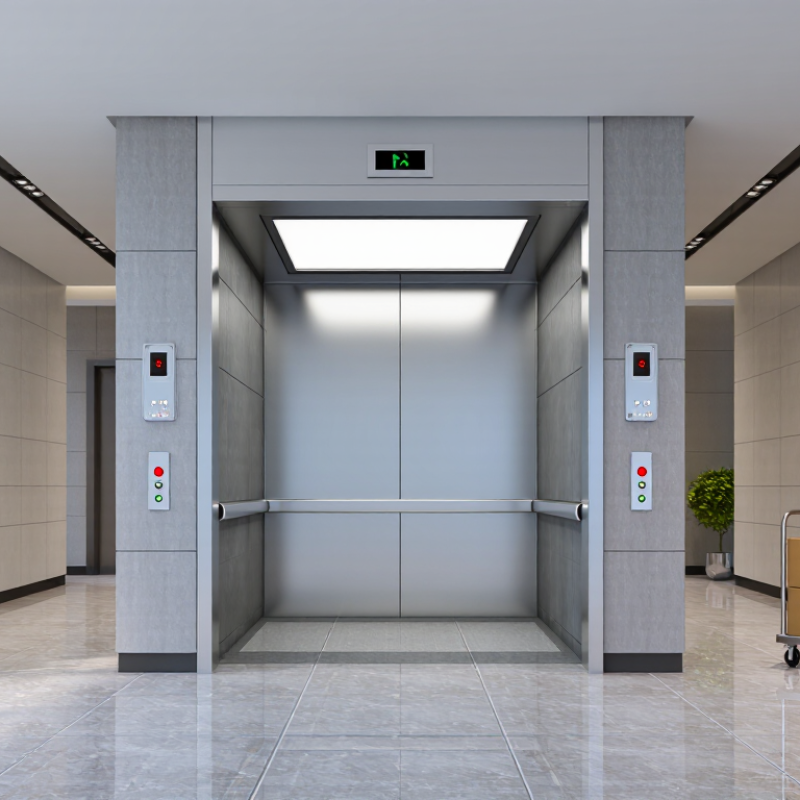
Table of Contents [Hide]
Understanding Commercial Lifts and Their Main Applications
Commercial lifts move people, goods, or equipment through buildings, but each type serves a different purpose. Passenger lifts suit offices, hotels, and clinics where people travel between floors throughout the day. Their capacity, door width, and waiting time matter, especially during busy morning periods.
Goods and service lifts handle heavier or awkward loads. In a hotel, a service lift may carry linen carts between floors; in a warehouse, a goods lift may move pallets. Check the load size, weight, travel distance, and number of trips per hour.
A lift that is technically powerful can still be poorly matched if its doors are too narrow. Small details matter.
Accessibility lifts help people overcome changes in floor level, including where a full passenger lift may not fit. The right option depends on building layout, traffic, available shaft space, and expected use.
Measure carefully. A site visit can reveal obstacles that drawings miss, such as low ceilings or a tight landing. I would not choose from capacity figures alone; noise, maintenance access, and evacuation planning deserve attention too. Requirements vary by location, so have a qualified lift professional assess the site and applicable safety standards before installation.





