How to Choose the Best Lcd Screens for Your Business Needs?
In today's fast-paced business environment, choosing the right Lcd Screens is crucial for success. These screens serve various purposes, from enhancing presentations to improving customer engagement. Selecting the best LCD screens involves understanding your specific business needs and priorities.
Consider the different types of LCD screens available. For example, some are designed for high visibility in bright spaces. Others focus on resolution or size for detailed displays. It's essential to evaluate your work environment, audience, and intended use. Each factor can significantly influence your choice.
Yet, picking the right LCD screens can feel overwhelming. Many options exist, each with pros and cons. Your budget will also play a role. Remember, investing in quality is often wise. Well-chosen LCD screens can boost productivity and create a lasting impression on clients. Balancing economics with functionality is no small task. Think carefully about your selection process.
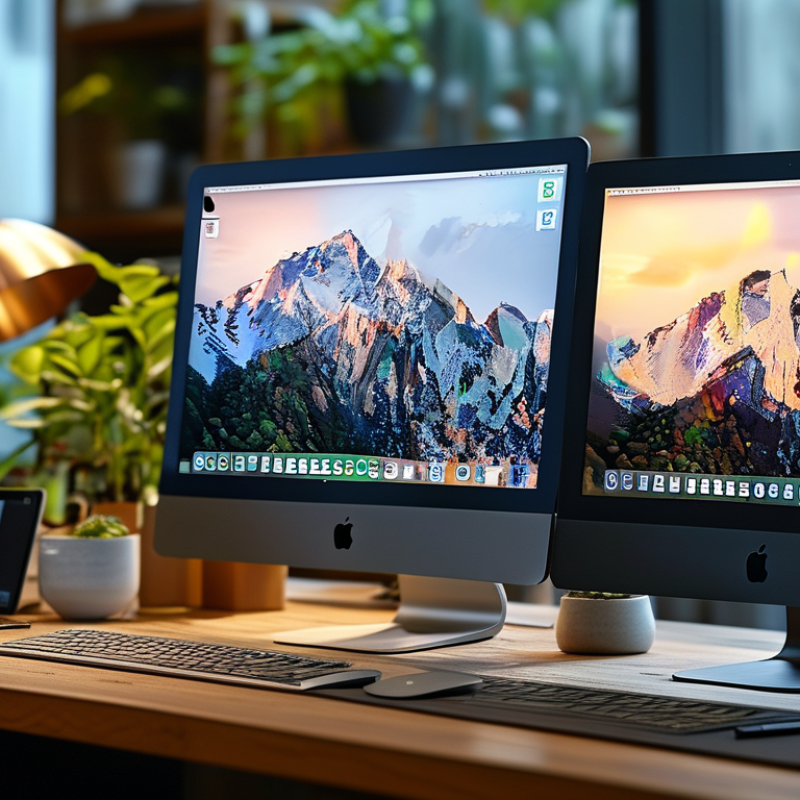
Understanding Different Types of LCD Screens Available in the Market
When selecting LCD screens, it's crucial to understand the various types available. There are three main categories: TN, IPS, and VA panels. TN panels are often more affordable. They provide fast response times and are suitable for gaming. However, viewing angles can be limited.
IPS panels deliver better color accuracy and wider viewing angles, making them ideal for design work. Yet, they can be pricier and may not respond as quickly as TN screens.
Consider VA panels as well. They offer excellent contrast ratios and vibrant colors. These screens are great for media consumption or presentations. Nonetheless, they tend to be slower than TN panels for gaming and can suffer from ghosting. Each type has its strengths and weaknesses. It's important to assess what you need most in your business environment.
Evaluating factors such as image quality, response time, and budget will help narrow down your options. Don't rush the decision. Testing a few screens in-store can provide valuable insights. By understanding the differences, you can make an informed choice that aligns with your business needs.
Assessing the Specific Needs of Your Business for LCD Screens
When assessing the specific needs of your business for LCD screens, start by identifying the primary uses. Are these screens for presentations, advertising, or monitoring? Each purpose requires different features. For example, a screen for advertising needs to be bright and vibrant, while monitoring screens might prioritize clarity and resolution.
Consider the environmental conditions as well. Will the screens be used indoors or outdoors? Outdoor screens require higher durability and brightness levels. Think about the placement too. Wall-mounted screens need different mounting options than free-standing units.
Don’t forget the audience. Who will interact with these screens? Employees, customers, or both? Their interaction types will influence size and touch capabilities. Reflecting on these details ensures that you choose screens that truly fit your business needs. It's essential to revisit these factors regularly as your business evolves.
LCD Screens Selection - Business Needs Assessment
This bar chart illustrates the average business requirement ratings for various important LCD screen specifications necessary for evaluating the best options available. The data indicates the critical aspects businesses should consider when selecting LCD screens, ensuring they meet operational needs effectively.
Evaluating Key Features: Resolution, Size, and Brightness
Choosing the right LCD screens for your business requires careful consideration of several key features. Among these, resolution, size, and brightness play pivotal roles in delivering effective communication and engagement. Industry reports indicate that high-resolution displays can elevate viewer engagement by 50%, making clarity a top priority.
Resolution is crucial; higher resolutions, such as 4K, provide stunning image quality. This enhances visual content, making it more appealing. However, be wary that too high a resolution can strain budget constraints. Assess the specific needs of your audience and environment before making a decision.
Size also influences the viewer's experience. Larger screens can improve visibility in spacious environments. However, oversizing may lead to visual distortion or overwhelm smaller spaces. A balance is essential.
Brightness is equally important. For settings with high ambient light, screens with high brightness ensure visibility. A study suggests that screens with at least 500 nits of brightness perform well in well-lit areas. However, excessive brightness can lead to eye strain.
Tip: Measure your space before deciding on size. This helps avoid purchasing screens that are too large or too small. Don’t just focus on specifications; consider who will use the screens and how. Always have a plan for future needs as well.
How to Choose the Best Lcd Screens for Your Business Needs? - Evaluating Key Features: Resolution, Size, and Brightness
| Screen Size (Inches) | Resolution | Brightness (nits) | Viewing Angle (Degrees) | Aspect Ratio |
| 24 | 1920 x 1080 | 250 | 178 | 16:9 |
| 32 | 2560 x 1440 | 300 | 178 | 16:9 |
| 43 | 3840 x 2160 | 400 | 178 | 16:9 |
| 55 | 3840 x 2160 | 500 | 178 | 16:9 |
| 65 | 3840 x 2160 | 600 | 178 | 16:9 |
Comparing Cost vs. Quality for Long-Term Business Investment
When selecting LCD screens for your business, the balance between cost and quality is crucial. Many may lean towards cheaper options, thinking it saves money. However, the long-term effects can be damaging. Low-quality screens may fail sooner, resulting in significant replacement costs. Consider the lifespan of the product. Investing in quality can lead to lower overall expenses down the line.
Quality LCD screens often provide better clarity and brightness. This can enhance productivity and customer experience. However, high-quality doesn’t always equal high price. Research is essential. Weigh your choices carefully, reflecting on user reviews and professional insights.
In your decision-making process, assess your specific needs. Not all businesses are the same. Some may prioritize vibrant displays for advertising, while others may need durability for heavy use. Reflect on your operational environment. Think about whether the additional upfront cost justifies the increased longevity and reliability. Every detail matters in this investment journey.
Exploring Brand Reputation and Warranty Options for LCD Screens
When selecting LCD screens for your business, brand reputation is crucial. Reputable brands often invest in quality, which translates into reliability. Reviews and feedback can provide valuable insights. Customers’ experiences with durability and performance can guide your decision-making.
Tip: Research brands with strong customer support. A responsive support team can quickly resolve any issues. It's vital for minimizing downtime and maintaining productivity.
Warranties are another key consideration. A solid warranty indicates a manufacturer stands behind its product. It can also protect your investment. Review what the warranty covers, as some only include parts, not labor.
Tip: Compare warranty options across different brands. Look for extended warranties that cover repairs or replacements. It's worth considering the potential costs of repairs without coverage. Reflect on how often you've needed repairs on similar equipment. This can influence your choice significantly.