


- Home
- A-Z Catalogue
- Products
- Valves
- Cetop
- Manual Directional Valves
- Proportional Valves
- Poppet Valves
- High-Speed Linear Servo Valves
- All High-Speed Linear Servo Valves
- Cetop 10 (NG32) Two Stage Type High Speed Linear Servo Valves – LSVHG-10
- Cetop 10 (NG32) Two Stage Type High Speed Linear Servo Valves – LSVHG-10 (With Fail-Safe)
- Cetop 8 (NG25) Two Stage Type High Speed Linear Servo Valves – LSVHG-06
- Cetop 8 (NG25) Two Stage Type High Speed Linear Servo Valves – LSVHG-06 (With Fail-Safe)
- Cetop 7 (NG16) Two Stage Type High Speed Linear Servo Valves – LSVHG-04
- Cetop 7 (NG16) Two Stage Type High Speed Linear Servo Valves – LSVHG-04 (With Fail-Safe)
- Cetop 5 (NG10) Direct Type High Speed Linear Servo Valves – LSVG-03
- Cetop 5 (NG10) OBE Type Direct Operated Linear Servo Valves – LSVG-03-EH
- Cetop 3 (NG6) OBE Type Direct Operated Linear Servo Valves – LSVG-01-EH
- Pumps
- Pressure control
- Flow Control Valves
- Pressure Control Valves
- All Pressure Control Valves
- Brake Valves
- Direct Relief Valve
- Low Noise Solenoid Controlled Relief Valves
- Low Noise Pilot Operated Relief Valves
- Pilot Operated Relief Valves
- Pressure reducing and relieving valves
- Pressure reducing and check valves
- Pressure control valves
- Remote Control Relief Valves
- Solenoid Controlled Relief Valves – BSG
- Solenoid Controlled Relief Valves – BST
- Unloading relief valves
- Check valves
- Environmental
- Valves
- Hydraulic Systems
- Power pack
- About Us
- Contact
- Blog

7 Tips for Choosing a Pilot Operated Check Valve
Selecting a pilot operated check valve is a reliability decision, not merely a catalog exercise. The right valve must match pressure, flow, cylinder volume, contamination levels, and the required holding response. A valve that looks suitable on paper may chatter beside a hot hydraulic manifold.
Industry reports support this careful approach. The International Fluid Power Society identifies contamination control, leakage prevention, and correct sizing as persistent priorities in hydraulic systems. MarketsandMarkets also projects continuing growth in the global hydraulic valves market, driven by industrial automation, mobile equipment, and energy applications. These trends increase demand for dependable load-holding components, including the pilot operated check valve. However, market growth does not guarantee correct selection.
Hydraulic engineering author M. Galal Rabie explains the basic principle: “A check valve permits flow in one direction and prevents reverse flow.” The pilot stage adds control, allowing intentional release when pilot pressure reaches the required level. Small details matter. A blocked pilot line can trap a cylinder. Excessive pilot pressure can create harsh movement. Dirty oil can prevent the poppet from seating fully.
This guide examines seven practical selection points, including cracking pressure, pilot ratio, leakage tolerance, mounting position, flow capacity, seal compatibility, and maintenance access. Measurements should come from the actual circuit, not assumptions. That is where many specifications fail. In practice, temperature changes, hose expansion, and load inertia can expose weaknesses that laboratory figures hide. A cautious review, supported by the manufacturer’s test data, remains the safer engineering choice.
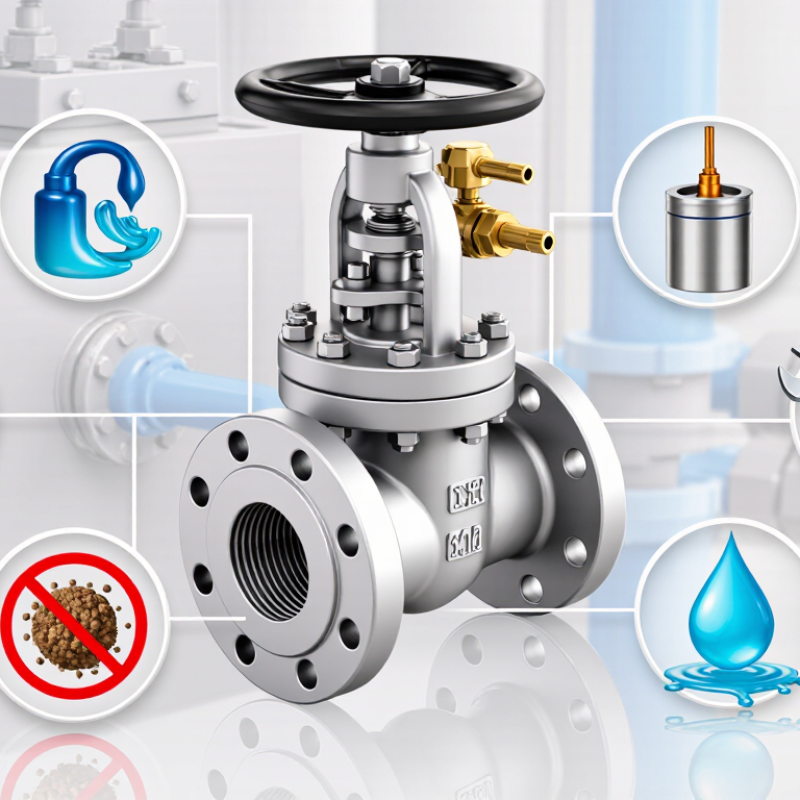
Table of Contents
[Hide]
Understand the Operating Principles of Pilot Operated Check Valves
Pilot-operated check valves use pressure to control pressure. In normal operation, a spring-loaded poppet blocks reverse flow. Supply pressure opens the valve in the permitted direction. When pilot pressure reaches the control chamber, it assists the poppet against load pressure. The valve then releases trapped fluid smoothly. This differs from a simple check valve, which relies mainly on line pressure.
Selection starts with the operating principle, not the catalog size. Confirm the pilot ratio, cracking pressure, maximum working pressure, and permitted back pressure. A weak pilot signal may leave the actuator locked. Excessive pilot pressure can create a sudden release. Check the fluid viscosity and temperature too. ISO 4413 stresses risk control, pressure limits, and controlled energy release in hydraulic systems. The U.S. Department of Energy reports that compressed-air leaks can waste 20–30% of system output, so leakage testing should include nearby fittings and control lines.
Flow capacity matters, but response time matters more in lifting and clamping circuits. Measure the real load, not only the pump rating. The valve should close before movement becomes unsafe. In practice, engineers sometimes select a larger valve for lower pressure loss, then discover unstable pilot behavior. I have seen that mistake. It looks efficient on paper. It is not always efficient in motion. Review pressure data from commissioning, inspect seat leakage, and compare results with ISO 4413 requirements. A small pressure gauge near the pilot port can reveal problems early. Test again when the oil is cold.
Related Posts
-
10 Essential Tips for Choosing the Right Pressure Reducing Valve
-
The Essential Guide to Understanding Pressure Relief Valves: Safety and Function Explained
-

Top Hydraulic Unit Trends to Watch in 2025 for Optimal Performance
-

How to Choose the Right Hydraulic Power Unit for Your Needs in 2026?
-

7 Essential Tips for Mastering Hydraulic Controls in Your Projects
-

Top Servo Valves Guide for Global Buyers in 2026