


- Home
- A-Z Catalogue
- Products
- Valves
- Cetop
- Manual Directional Valves
- Proportional Valves
- Poppet Valves
- High-Speed Linear Servo Valves
- All High-Speed Linear Servo Valves
- Cetop 10 (NG32) Two Stage Type High Speed Linear Servo Valves – LSVHG-10
- Cetop 10 (NG32) Two Stage Type High Speed Linear Servo Valves – LSVHG-10 (With Fail-Safe)
- Cetop 8 (NG25) Two Stage Type High Speed Linear Servo Valves – LSVHG-06
- Cetop 8 (NG25) Two Stage Type High Speed Linear Servo Valves – LSVHG-06 (With Fail-Safe)
- Cetop 7 (NG16) Two Stage Type High Speed Linear Servo Valves – LSVHG-04
- Cetop 7 (NG16) Two Stage Type High Speed Linear Servo Valves – LSVHG-04 (With Fail-Safe)
- Cetop 5 (NG10) Direct Type High Speed Linear Servo Valves – LSVG-03
- Cetop 5 (NG10) OBE Type Direct Operated Linear Servo Valves – LSVG-03-EH
- Cetop 3 (NG6) OBE Type Direct Operated Linear Servo Valves – LSVG-01-EH
- Pumps
- Pressure control
- Flow Control Valves
- Pressure Control Valves
- All Pressure Control Valves
- Brake Valves
- Direct Relief Valve
- Low Noise Solenoid Controlled Relief Valves
- Low Noise Pilot Operated Relief Valves
- Pilot Operated Relief Valves
- Pressure reducing and relieving valves
- Pressure reducing and check valves
- Pressure control valves
- Remote Control Relief Valves
- Solenoid Controlled Relief Valves – BSG
- Solenoid Controlled Relief Valves – BST
- Unloading relief valves
- Check valves
- Environmental
- Valves
- Hydraulic Systems
- Power pack
- About Us
- Contact
- Blog

How to Choose the Best Yuken Directional Valve for Your Needs?
Choosing the right Yuken directional valve is crucial for your hydraulic systems. According to industry expert Dr. Emily Chen, "The right valve can enhance performance and prolong equipment life." Her insights highlight the importance of understanding your specific application needs.
Yuken directional valves come in various configurations and specifications. Each has its unique advantages. Selecting the wrong type can lead to inefficient operation and increased maintenance costs. It’s a common challenge many face.
Reflecting on the complexities of hydraulic systems, users must carefully assess their requirements. It is essential to consider factors like pressure ratings and flow control. Without this understanding, one may end up with suboptimal choices. This leads to increased downtime and frustration. The goal is to manage your resources effectively. Thoughtful decisions in choosing Yuken directional valves yield lasting benefits.

Table of Contents
[Hide]
Understanding the Basics of Yuken Directional Valves
Yuken directional valves play a crucial role in hydraulic systems. Understanding their function is vital for effective operation. These valves control the flow and direction of hydraulic fluid. They help to operate various machinery and processes. Accurate flow control enhances the performance of hydraulic systems. According to a report by the International Fluid Power Society, up to 70% of hydraulic failures result from valve malfunctions.
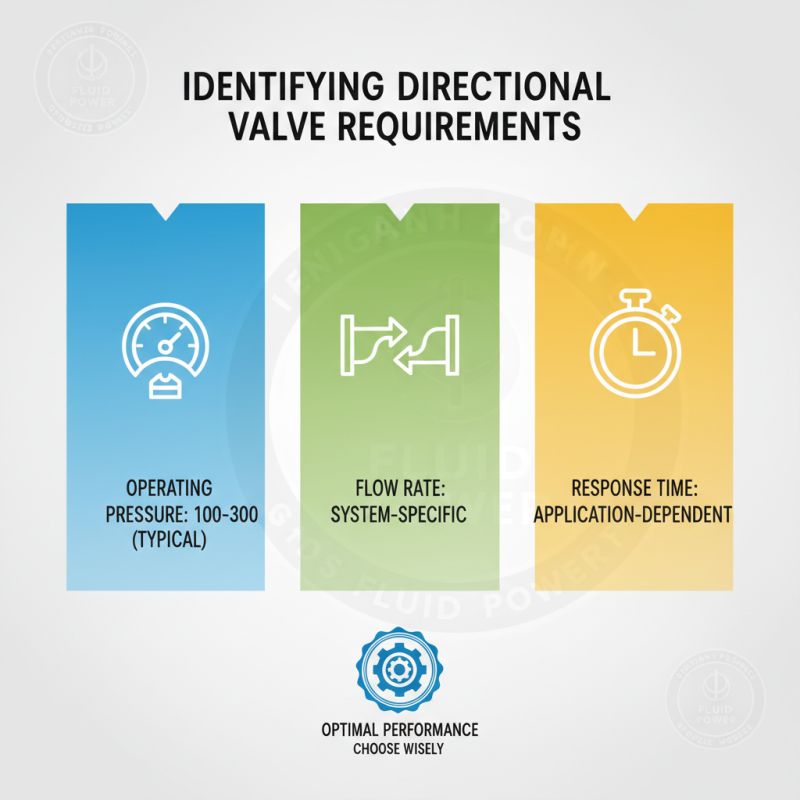
There are various types of Yuken directional valves. Each has its unique specifications and applications. Common types include spool valves and poppet valves. The right choice depends on your system's requirements. For instance, a spool valve may provide better flow control in high-pressure applications. The industry's average failure rate for improperly chosen valves is as high as 25%. This highlights the need for thorough understanding before selection.
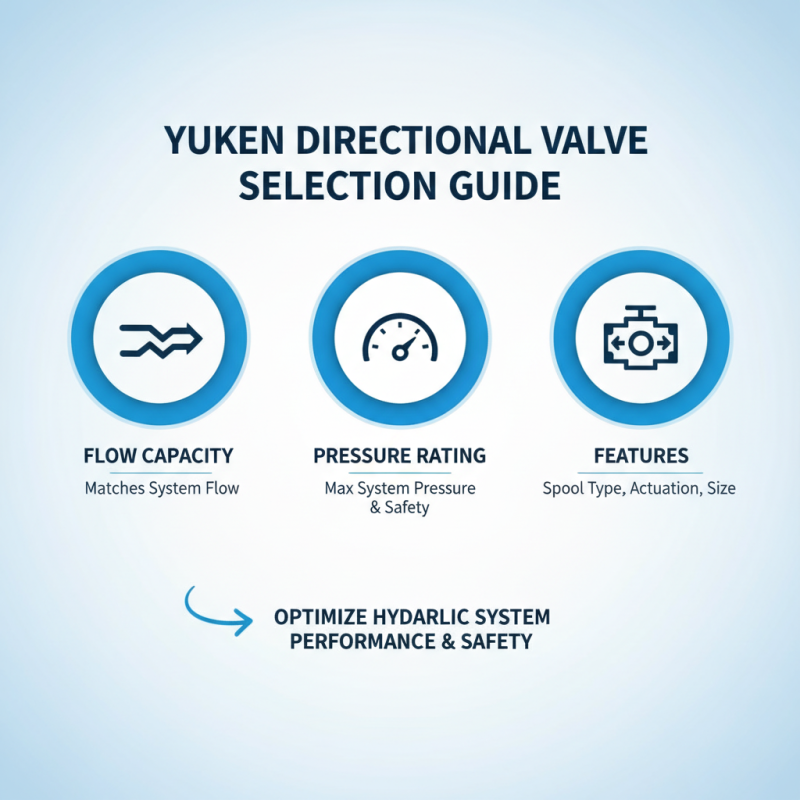
Design factors, such as pressure rating and flow rate, are essential considerations. Research shows that maintaining a flow rate within recommended limits can improve efficiency by 15%. Many professionals still underestimate the impact of valve selection on overall system health. This can lead to inefficiencies and unexpected downtimes, which can be quite costly. Consider these aspects carefully when choosing the right Yuken directional valve.
Related Posts
-
Top 10 Yuken Valve Solutions for Optimal Hydraulic Performance
-
What is Yuken Valve and How Does it Work?
-
Understanding Yuken Directional Valves and Their Applications in Modern Hydraulic Systems
-
2025 How to Choose the Best Yuken Valve for Your Hydraulic System
-

Why Choose Yuken Valves for Your Industrial Applications
-

Exploring the Benefits of Yuken Directional Valves for Enhanced Hydraulic Performance