


- Home
- A-Z Catalogue
- Products
- Valves
- Cetop
- Manual Directional Valves
- Proportional Valves
- Poppet Valves
- High-Speed Linear Servo Valves
- All High-Speed Linear Servo Valves
- Cetop 10 (NG32) Two Stage Type High Speed Linear Servo Valves – LSVHG-10
- Cetop 10 (NG32) Two Stage Type High Speed Linear Servo Valves – LSVHG-10 (With Fail-Safe)
- Cetop 8 (NG25) Two Stage Type High Speed Linear Servo Valves – LSVHG-06
- Cetop 8 (NG25) Two Stage Type High Speed Linear Servo Valves – LSVHG-06 (With Fail-Safe)
- Cetop 7 (NG16) Two Stage Type High Speed Linear Servo Valves – LSVHG-04
- Cetop 7 (NG16) Two Stage Type High Speed Linear Servo Valves – LSVHG-04 (With Fail-Safe)
- Cetop 5 (NG10) Direct Type High Speed Linear Servo Valves – LSVG-03
- Cetop 5 (NG10) OBE Type Direct Operated Linear Servo Valves – LSVG-03-EH
- Cetop 3 (NG6) OBE Type Direct Operated Linear Servo Valves – LSVG-01-EH
- Pumps
- Pressure control
- Flow Control Valves
- Pressure Control Valves
- All Pressure Control Valves
- Brake Valves
- Direct Relief Valve
- Low Noise Solenoid Controlled Relief Valves
- Low Noise Pilot Operated Relief Valves
- Pilot Operated Relief Valves
- Pressure reducing and relieving valves
- Pressure reducing and check valves
- Pressure control valves
- Remote Control Relief Valves
- Solenoid Controlled Relief Valves – BSG
- Solenoid Controlled Relief Valves – BST
- Unloading relief valves
- Check valves
- Environmental
- Valves
- Hydraulic Systems
- Power pack
- About Us
- Contact
- Blog

Why Choose a Centrate Pump for Your Industrial Needs?
Choosing the right equipment is vital for industrial operations. One impressive option is the Centrate Pump. Experts in the field have noted its unique advantages. "A Centrate Pump is designed for efficiency and reliability," says John Smith, a renowned industrial pump specialist.
The Centrate Pump is widely recognized for its robust performance in various applications. Its design ensures optimal flow and reduced wear. Many industries benefit from its ability to handle challenging materials. Companies often report improved productivity after switching to these pumps.
However, not all Centrate Pumps are created equal. Some may need adjustments for specific processes. It’s essential to assess your requirements carefully. The right choice can lead to significant long-term savings. Thus, investing time to understand Centrate Pumps is worthwhile for any industrial operation.
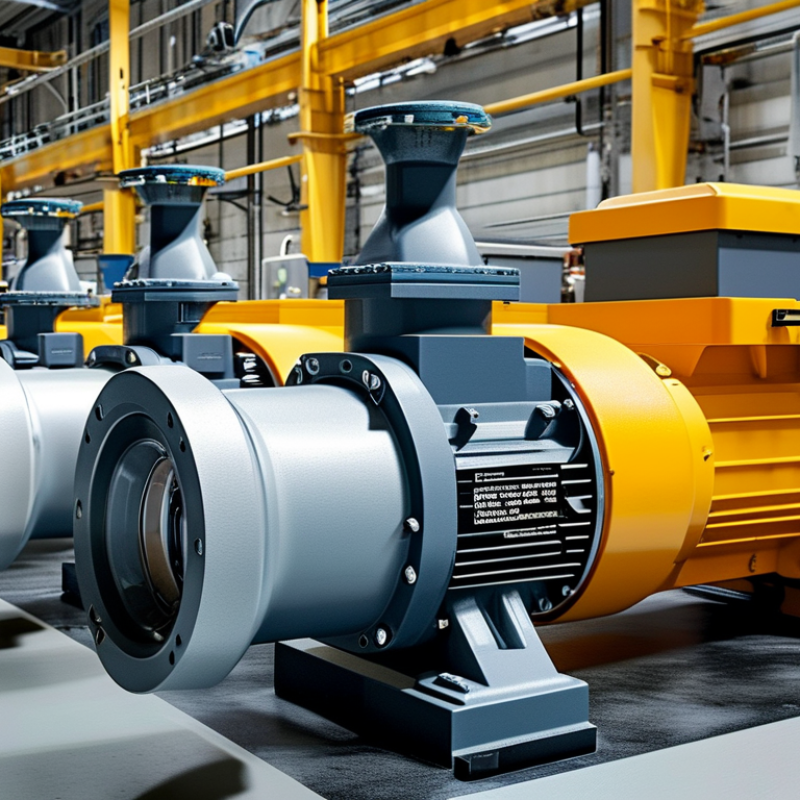
Table of Contents [Hide]
Benefits of Centrate Pumps in Industrial Applications
Centrate pumps play a vital role in many industrial sectors. Their efficiency and durability make them ideal for applications involving liquids with varying viscosities. Centrate pumps excel in transporting fluids with high solids content, such as slurries. This feature is crucial in industries like mining and wastewater treatment, where particles can cause wear and tear on standard pumps.
One significant benefit of using centrates is their ability to handle abrasive materials without significant degradation. This longevity translates into lower maintenance costs. However, being mindful of how these pumps operate is essential. Improper installation or neglect can lead to unexpected failures.
Tips: Regularly check seals and impellers for wear. This simple maintenance can enhance pump performance significantly. Consider investing in training for operators, as their familiarity with pump operation impacts overall efficiency. More knowledge leads to fewer breakdowns, aligning with best practices in industrial operations.