


- Home
- A-Z Catalogue
- Products
- Valves
- Cetop
- Manual Directional Valves
- Proportional Valves
- Poppet Valves
- High-Speed Linear Servo Valves
- All High-Speed Linear Servo Valves
- Cetop 10 (NG32) Two Stage Type High Speed Linear Servo Valves – LSVHG-10
- Cetop 10 (NG32) Two Stage Type High Speed Linear Servo Valves – LSVHG-10 (With Fail-Safe)
- Cetop 8 (NG25) Two Stage Type High Speed Linear Servo Valves – LSVHG-06
- Cetop 8 (NG25) Two Stage Type High Speed Linear Servo Valves – LSVHG-06 (With Fail-Safe)
- Cetop 7 (NG16) Two Stage Type High Speed Linear Servo Valves – LSVHG-04
- Cetop 7 (NG16) Two Stage Type High Speed Linear Servo Valves – LSVHG-04 (With Fail-Safe)
- Cetop 5 (NG10) Direct Type High Speed Linear Servo Valves – LSVG-03
- Cetop 5 (NG10) OBE Type Direct Operated Linear Servo Valves – LSVG-03-EH
- Cetop 3 (NG6) OBE Type Direct Operated Linear Servo Valves – LSVG-01-EH
- Pumps
- Pressure control
- Flow Control Valves
- Pressure Control Valves
- All Pressure Control Valves
- Brake Valves
- Direct Relief Valve
- Low Noise Solenoid Controlled Relief Valves
- Low Noise Pilot Operated Relief Valves
- Pilot Operated Relief Valves
- Pressure reducing and relieving valves
- Pressure reducing and check valves
- Pressure control valves
- Remote Control Relief Valves
- Solenoid Controlled Relief Valves – BSG
- Solenoid Controlled Relief Valves – BST
- Unloading relief valves
- Check valves
- Environmental
- Valves
- Hydraulic Systems
- Power pack
- About Us
- Contact
- Blog

China Top 10 Electric Flatbed Truck Manufacturers?
China’s electric commercial-vehicle market includes established truck makers and newer specialists, but their products can differ substantially. This guide examines ten manufacturers associated with Electric Flatbed trucks and highlights what buyers should compare before requesting a quotation. A shortlist is a starting point, not a purchasing decision.
Useful comparisons go beyond headline range or advertised payload. Check the rated load, platform dimensions, battery capacity, charging options, and suitability for the intended route. A truck carrying building supplies across a worksite may need different specifications from one moving goods around a warehouse. Small details matter.
Look closely at service coverage, parts availability, warranty terms, and model-specific documentation. Ask manufacturers for current specifications and clarify whether stated performance reflects a particular configuration. Numbers can shift with battery size, tires, load, and operating conditions. That deserves attention.
The manufacturers discussed may serve different budgets, applications, and export markets. Not every company will fit every fleet. Some details may also be difficult to verify from public information, so buyers should confirm them directly and compare written offers. A careful review can reveal trade-offs that a polished product page may leave out. No ranking is perfect. The goal here is to provide a practical overview, explain the factors behind a sound comparison, and help readers ask better questions before choosing an Electric Flatbed truck.
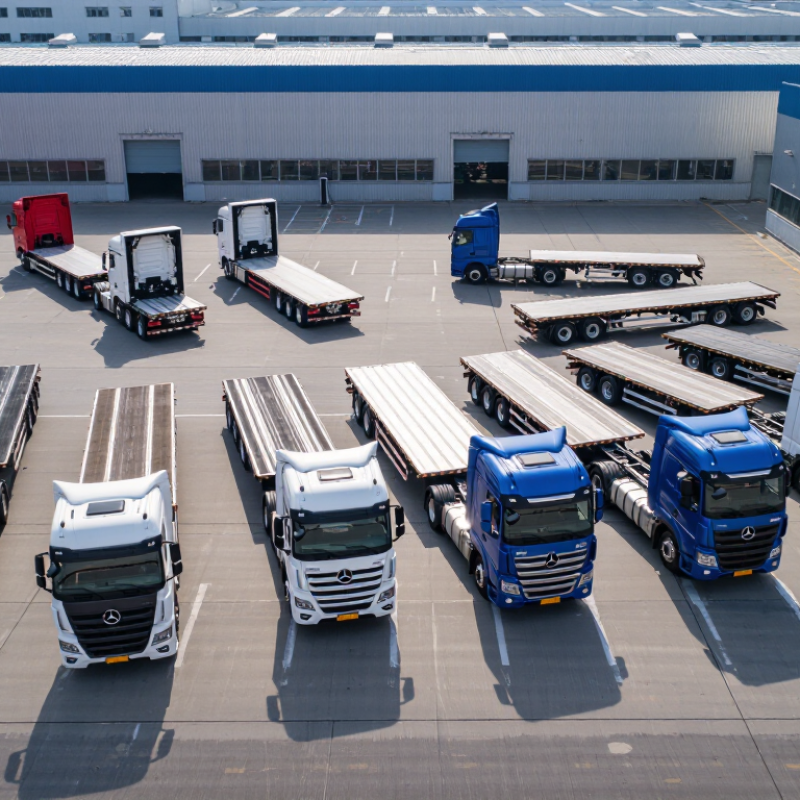
Table of Contents [Hide]
What Are Electric Flatbed Trucks and How Are They Used?
Electric flatbed trucks are battery-powered vehicles with an open, level cargo deck. The deck can carry items that are awkward to fit inside a van, such as pallets, pipes, building supplies, or maintenance equipment. Tie-down points help secure loads, while removable sides can make loading easier. The exact payload depends on the vehicle’s design, so operators should check the rated capacity before planning a job.
These trucks are used for deliveries, facility maintenance, and moving materials between nearby work sites. In city operations, quieter driving can be useful during early shifts or in busy neighborhoods. At a warehouse, a flatbed may move several palletized loads between buildings without repeated handling.
That matters.
Still, range changes with cargo weight, weather, terrain, and stop-and-go driving. Charging access also affects whether a truck can complete a full shift. Not every route fits.
A sensible assessment includes the real load, daily distance, charging time, and available space for turning or loading. Electric power does not remove the need for careful planning, and its environmental benefit depends partly on how the electricity is produced.
Operators should review performance after deployment; assumptions made before purchase may not match everyday work.





