- Home
- A-Z Catalogue
- Products
- Valves
- Cetop
- Manual Directional Valves
- Proportional Valves
- Poppet Valves
- High-Speed Linear Servo Valves
- All High-Speed Linear Servo Valves
- Cetop 10 (NG32) Two Stage Type High Speed Linear Servo Valves – LSVHG-10
- Cetop 10 (NG32) Two Stage Type High Speed Linear Servo Valves – LSVHG-10 (With Fail-Safe)
- Cetop 8 (NG25) Two Stage Type High Speed Linear Servo Valves – LSVHG-06
- Cetop 8 (NG25) Two Stage Type High Speed Linear Servo Valves – LSVHG-06 (With Fail-Safe)
- Cetop 7 (NG16) Two Stage Type High Speed Linear Servo Valves – LSVHG-04
- Cetop 7 (NG16) Two Stage Type High Speed Linear Servo Valves – LSVHG-04 (With Fail-Safe)
- Cetop 5 (NG10) Direct Type High Speed Linear Servo Valves – LSVG-03
- Cetop 5 (NG10) OBE Type Direct Operated Linear Servo Valves – LSVG-03-EH
- Cetop 3 (NG6) OBE Type Direct Operated Linear Servo Valves – LSVG-01-EH
- Pumps
- Pressure control
- Flow Control Valves
- Pressure Control Valves
- All Pressure Control Valves
- Brake Valves
- Direct Relief Valve
- Low Noise Solenoid Controlled Relief Valves
- Low Noise Pilot Operated Relief Valves
- Pilot Operated Relief Valves
- Pressure reducing and relieving valves
- Pressure reducing and check valves
- Pressure control valves
- Remote Control Relief Valves
- Solenoid Controlled Relief Valves – BSG
- Solenoid Controlled Relief Valves – BST
- Unloading relief valves
- Check valves
- Environmental
- Valves
- Hydraulic Systems
- Power pack
- About Us
- Contact
- Blog

China Top 10 Companies for Spray Painting 3D Printed Parts
China’s 3D-printing sector includes manufacturers and finishing providers with different strengths. This guide introduces ten companies connected to Spray Painting 3d Printed Parts, from custom-service suppliers to firms supporting production workflows. Company capabilities can change, so readers should confirm current equipment, materials, and service options directly.
The finish starts before the paint. Layer lines, support marks, and fingerprints can remain visible beneath a smooth-looking coating. A part’s material also affects preparation, primer choice, and adhesion. “A good paint job begins with a surface the coating can grip,” says fictional finishing engineer Alex Morgan, an illustrative expert voice created for this introduction—not a verified industry quotation. That distinction matters. Ask prospective suppliers how they prepare parts, control color, and inspect coverage. Requesting a sample can reveal issues that a product photo may hide.
Small details count. A thin edge may lose coverage; a recessed groove may collect paint. Spray Painting 3d Printed Parts therefore calls for more than attractive color. It requires repeatable preparation, careful application, and checks suited to the part’s intended use. This overview compares companies by practical considerations, including service range, finishing experience, and communication. It is a starting point, not a substitute for technical validation. Check fit and finish on your own parts. Even experienced providers may need adjustments when geometry, resin, or production volume changes.
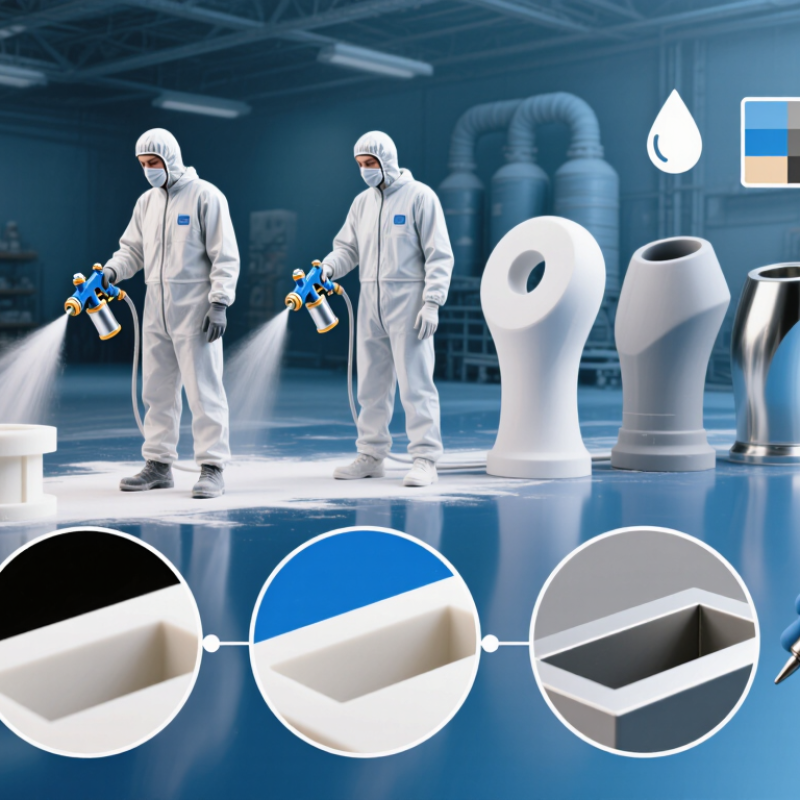
Table of Contents [Hide]
Spray Painting for 3D-Printed Parts: Process and Purpose
Spray painting gives 3D-printed parts a more even color and can soften the look of visible layer lines. It does not erase deep grooves or poor print defects. Surface preparation matters. Remove support marks, then sand rough areas with fine abrasive paper. Wipe away dust and let the part dry before applying a compatible primer. Not every surface behaves alike. PLA, ABS, resin, and flexible materials may respond differently to solvents and coatings, so test a small sample first.
Use light, overlapping passes rather than one heavy coat. Hold the spray can at a steady distance, and keep it moving beyond the part’s edges to reduce drips. Thin coats matter. Let each layer dry according to the coating instructions, since rushing can leave a soft or uneven finish. A clear coat may add protection, but it can also change the sheen or color slightly. Work in a well-ventilated area and use suitable protective equipment. Even with careful technique, small flaws can remain; inspect the part under angled light before deciding whether another coat will improve it.
China Top 10 Companies for Spray Painting 3D Printed Parts - Spray Painting for 3D-Printed Parts: Process and Purpose
Practical process reference for evaluating spray-painting services for 3D-printed parts. The values below are typical guidelines, not guaranteed specifications; actual settings depend on the material, geometry, coating system, and supplier.
| No. | Process or Evaluation Dimension | Typical Practice or Reference | Purpose | Useful Quality Check |
|---|---|---|---|---|
| 1 | Substrate identification | Identify the print material and process, such as PLA, ABS, PETG, nylon, resin, or powder-bed-fused polymer, before selecting a coating system. | Helps prevent poor adhesion, solvent damage, or heat-related deformation. | Confirm material, print process, and any post-processing history with the part supplier. |
| 2 | Surface cleaning | Remove dust, loose powder, oils, and handling residue using a material-compatible cleaning method; allow the part to dry fully. | Reduces contamination that can cause fisheyes, craters, or adhesion defects. | Inspect under good lighting for dust, residue, and moisture before coating. |
| 3 | Sanding and surface preparation | Use suitable abrasive grades and progressive sanding where the design allows; finer finishing is often needed for glossy or appearance-critical surfaces. | Smooths layer lines and improves coating uniformity, while preserving required dimensions and details. | Check surface texture, edges, small features, and critical dimensions after sanding. |
| 4 | Filling and priming | Apply a compatible primer or filler in controlled coats when needed; follow the coating manufacturer's instructions for flash time and recoat window. | Helps conceal print texture and provides a more consistent base for the color coat. | Look for pinholes, runs, uneven coverage, and exposed substrate before topcoating. |
| 5 | Masking and fixturing | Mask mating surfaces, threads, openings, and electrical or functional features; support the part so all required faces can be coated. | Protects functional areas and reduces handling marks or missed coverage. | Verify mask boundaries and confirm that fixtures do not obstruct visible surfaces. |
| 6 | Spray application | Apply thin, even passes with appropriate overlap and distance for the selected spray equipment and coating; avoid heavy wet coats that can sag or pool. | Builds consistent color and coverage while limiting runs and excessive film thickness. | Inspect corners, recesses, edges, and other areas prone to thin or uneven coverage. |
| 7 | Color and appearance control | Specify a color reference, gloss level, texture, and acceptable variation; assess appearance under consistent lighting. | Makes appearance requirements clearer and supports repeatable production batches. | Compare with an approved sample or color standard and check for visible defects. |
| 8 | Drying and curing | Follow the coating supplier's specified time, temperature, and ventilation requirements; confirm that the printed substrate can tolerate the curing conditions. | Allows the coating to form properly without exposing heat-sensitive parts to unsuitable conditions. | Check that the coating is dry or cured as specified before handling or packaging. |
| 9 | Protective clear coat | Use a compatible clear coat when the specification calls for added gloss control, surface protection, or improved cleanability. | Provides an additional finish layer; the level of protection depends on the coating system and service conditions. | Check for even sheen, clarity, adhesion, and compatibility with the underlying color coat. |
| 10 | Final inspection and handling | Inspect the finished part against agreed appearance, coverage, masking, and dimensional requirements; package only after the coating is ready for handling. | Confirms the part meets the project specification and helps prevent damage during shipment. | Record defects, rework status, and any agreed sample or inspection results. |